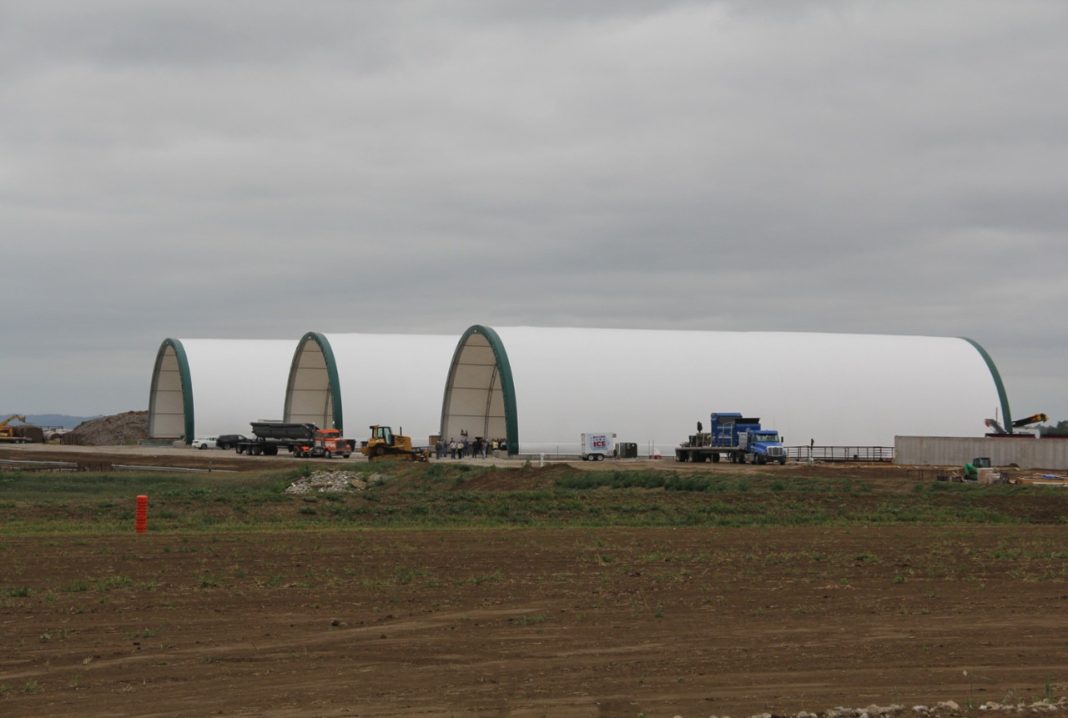

The United States is making a major push to strengthen its domestic fertilizer industry, with eight proposed projects representing more than $1.34 billion in investment. Announced by the U.S. Department of Agriculture on October 22, 2026, the initiatives aim to expand production, encourage competition, and reduce farmers’ dependence on foreign suppliers. From modular ammonia units across seven states to facilities that turn dairy manure into fertilizer, these projects could reshape how essential crop nutrients are manufactured and distributed across the country.
TalusAg Plans 20 Modular Ammonia Units Across Seven States
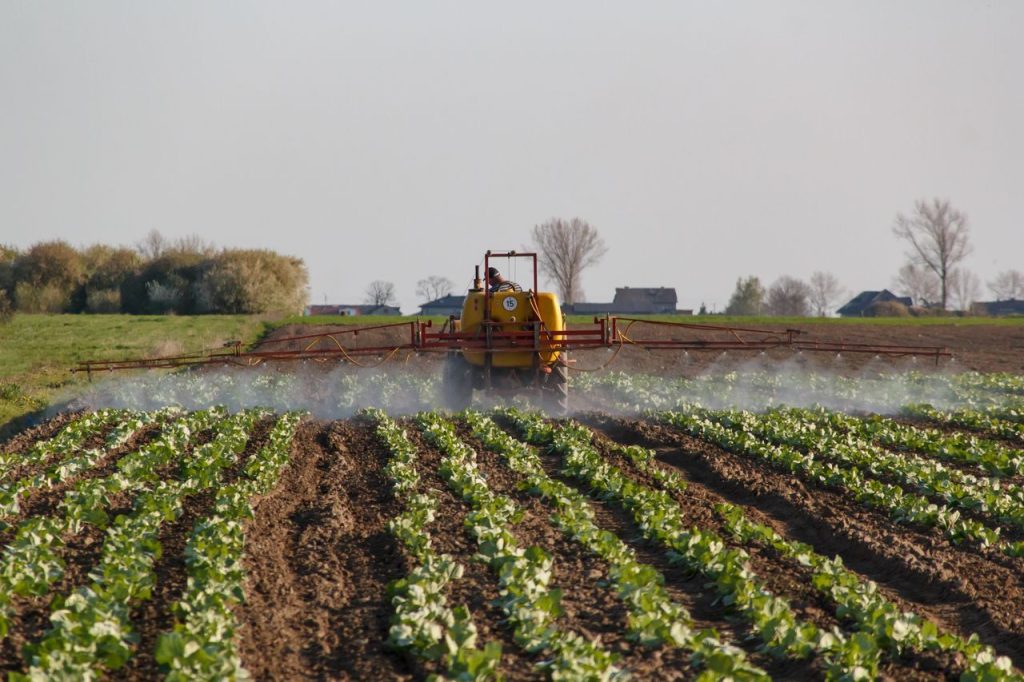
Bringing fertilizer production closer to farms is the central idea behind TalusAg’s proposed expansion. The company has been selected for approximately $99.8 million in proposed USDA funding toward a $270.2 million project that would deploy 20 modular ammonia manufacturing units across 11 locations in Iowa, Kentucky, Minnesota, Tennessee, Nebraska, Illinois, and South Dakota. Together, the units are expected to produce approximately 130,000 tons of anhydrous ammonia annually. Ammonia is an important agricultural input because it supplies nitrogen, a nutrient crops need to develop leaves, stems, and healthy growth. By distributing smaller manufacturing units across several states, TalusAg aims to bring production closer to the farmers who rely on these supplies. That approach could help reduce the distance fertilizer travels before reaching agricultural customers and add production capacity outside the largest established suppliers. The project also reflects the administration’s broader effort to encourage more competition in the fertilizer market. However, the funding remains proposed, and the projected production will depend on the units being built and becoming operational.
Peace Valley Will Expand Fertilizer Production in Florida

Florida’s contribution to the fertilizer push centers on expanding an existing manufacturing operation in Bartow. Peace Valley has been selected for approximately $19.9 million in proposed USDA funding toward a $50.6 million project expected to produce around 250,000 tons of fertilizer products annually. These products will contain varying combinations of nitrogen, phosphorus, potassium, and sulfur, nutrients that support different aspects of crop development. Nitrogen promotes leafy growth, phosphorus helps plants develop roots and supports energy transfer, potassium contributes to water regulation and overall plant function, and sulfur is essential for protein formation. Producing fertilizers containing several nutrients gives farmers options for meeting different crop requirements, although the precise product and application rate must match soil conditions and the needs of each crop. The proposed expansion could strengthen domestic fertilizer availability and provide an additional source for agricultural customers in Florida and surrounding markets. Its expected annual output is the largest among the eight projects listed by USDA, making it a substantial addition to the planned production capacity. The actual benefits will depend on the facility’s expansion being completed and reaching its expected production levels.
PCI Nitrogen Will Modernize Facilities in Texas and Oregon
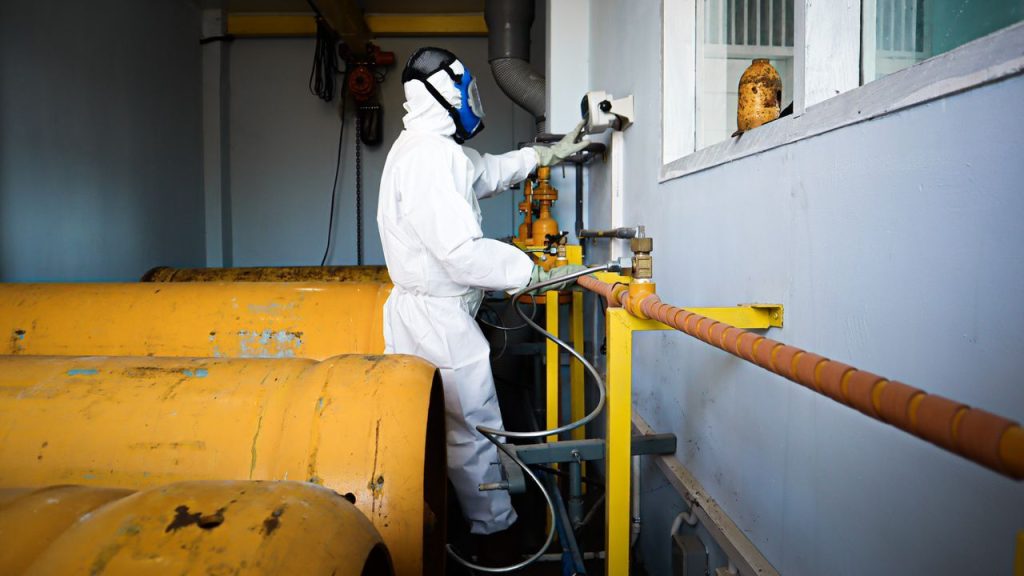
Upgrading existing manufacturing operations can increase fertilizer output without requiring every investment to begin with an entirely new facility. PCI Nitrogen’s proposed project follows that approach, targeting facilities in Pasadena, Texas, and St. Helens, Oregon. The company has been selected for approximately $100 million in proposed USDA funding toward a $200 million modernization project. The improvements are expected to support approximately 148,280 tons of annual fertilizer production, including ammonium sulfate and urea. Both products provide nitrogen, which crops need to produce chlorophyll and support growth. Ammonium sulfate also supplies sulfur, making it useful where crops require both nutrients. Urea is widely used as a concentrated nitrogen fertilizer, but its effectiveness depends on appropriate handling, application, and soil conditions. Modernizing facilities in two states could strengthen the availability of these products for agricultural customers across different regions. It could also help improve the reliability of existing production infrastructure. The project is part of the wider effort to expand domestic manufacturing and reduce exposure to international supply disruptions. Its projected output, however, represents expected capacity rather than fertilizer already being produced, and the final impact will depend on the improvements being completed successfully.
Intrepid Potash Will Build a New Facility in New Mexico
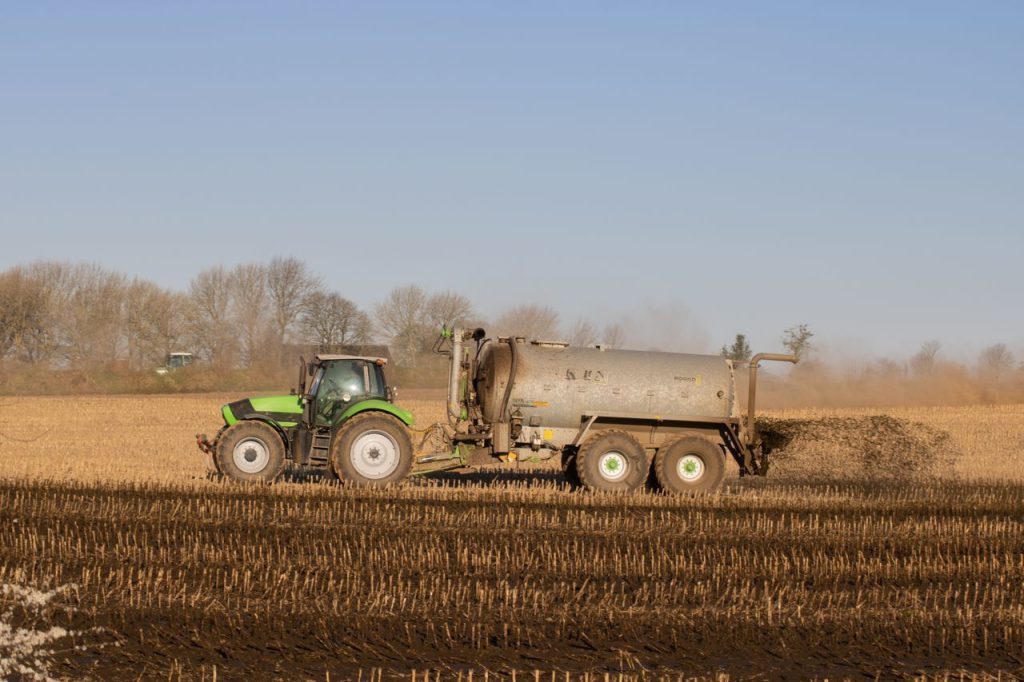
Potassium fertilizer is a major focus of the new investment because American agriculture depends on reliable supplies of this essential crop nutrient. Intrepid Potash has been selected for approximately $139 million in proposed USDA funding toward a $265 million project to build a sulfate of potash manufacturing facility near Carlsbad, New Mexico. The proposed facility is expected to produce approximately 220,000 tons annually. Sulfate of potash supplies potassium and sulfur, supporting plant functions such as water regulation, enzyme activity, and protein formation. It is also an important specialty fertilizer for crops where managing chloride levels is a consideration. The planned facility would create an additional domestic source of the product, potentially giving farmers more options in a market exposed to international supply pressures. USDA has identified potash as an area where additional American production could make a meaningful difference, estimating that the selected projects could increase domestic potash production by nearly 40% once operational. That is a projection for the broader group of projects, not a guarantee that fertilizer prices will fall by the same amount. Intrepid’s facility must first be constructed and brought into operation before its expected production can contribute to the market.
AdvanSix Will Expand Ammonia Production in Virginia
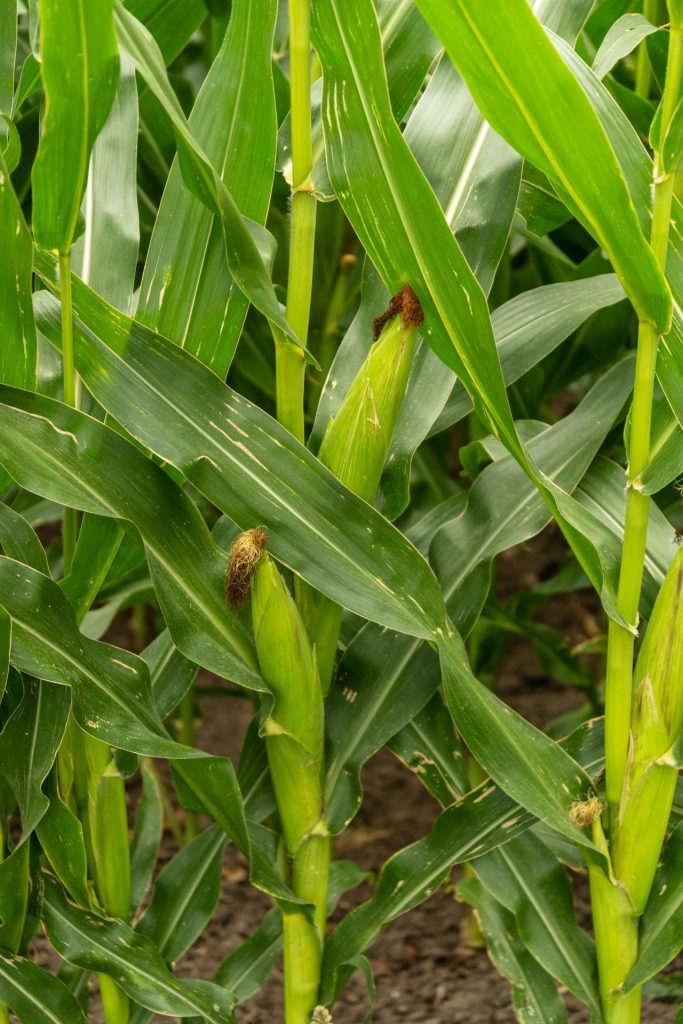
An expansion in Virginia is expected to add more nitrogen fertilizer capacity by improving an existing ammonia manufacturing facility. AdvanSix has been selected for approximately $47.4 million in proposed USDA funding toward a $98.1 million project in Hopewell, Virginia. The modernization and expansion are expected to produce approximately 84,000 tons of anhydrous ammonia annually. Anhydrous ammonia is a concentrated source of nitrogen and is widely used in American agriculture, either as a fertilizer applied directly under suitable conditions or as an ingredient in the production of other nitrogen fertilizers. Increasing domestic output could help make supplies less vulnerable to disruptions affecting imported products and the international markets for fertilizer ingredients. Nitrogen fertilizer is especially important because crops remove substantial quantities of the nutrient from the soil as they grow, making replacement essential for many farming systems. USDA’s wider investment program aims to increase domestic nitrogen production and encourage more competition among suppliers. However, a larger supply does not automatically guarantee lower prices for every farmer, since energy costs, transportation, seasonal demand, and regional availability also influence what agricultural customers pay. AdvanSix’s expected output would contribute to the program’s overall capacity once the facility improvements are completed.
SUL4R-PLUS Illinois Will Increase Sulfur Fertilizer Production
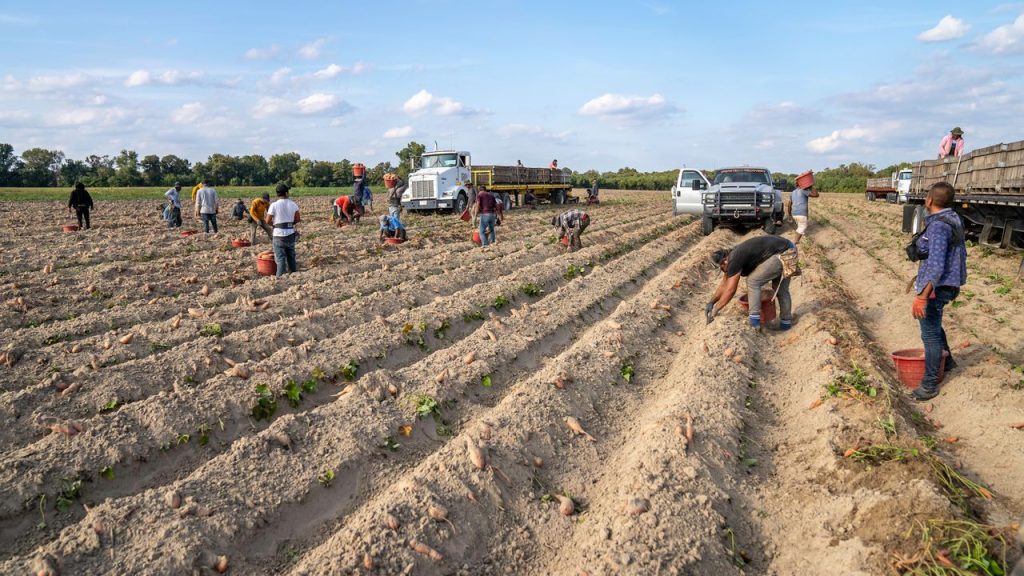
Sulfur may receive less attention than nitrogen or potassium, but it remains an essential nutrient for many crops. SUL4R-PLUS Illinois has been selected for approximately $34.9 million in proposed USDA funding toward a $69.7 million project to expand its existing sulfur fertilizer manufacturing facility in Marissa, Illinois. The plan includes an additional manufacturing line and improvements to storage and transportation infrastructure. The upgraded operation is expected to support approximately 100,000 tons of annual sulfur fertilizer production. Sulfur helps plants produce proteins and enzymes and contributes to the formation of certain vitamins and other compounds needed for growth. Crops such as canola and other oilseeds can have significant sulfur requirements, although the amount needed varies by crop and soil conditions. Expanding production while improving storage and transportation could help the company move fertilizer more efficiently and support a more dependable supply for agricultural customers. The project also illustrates why the USDA program covers more than the nutrients that receive the most attention in discussions of fertilizer prices. A dependable supply of sulfur-containing products can matter to farm productivity, especially where soil tests indicate a deficiency. The expected increase will only become available after the expansion is completed and the additional manufacturing line is operating.
True Organic Products Will Expand Production Using Agricultural Byproducts
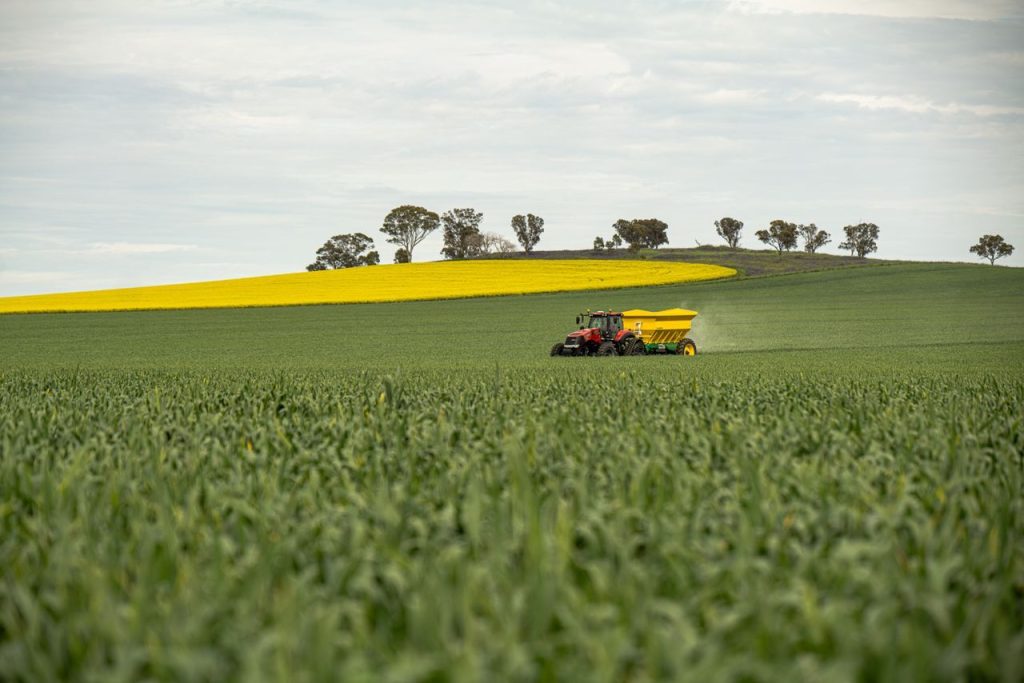
Agricultural waste can serve as a useful source of material for fertilizer production when it is processed appropriately. True Organic Products has been selected for approximately $15.3 million in proposed USDA funding toward a $30.6 million project to expand fertilizer manufacturing at facilities in Helm, California; Boardman, Oregon; and Arlington, Arizona. The project is expected to support approximately 142,805 tons of annual fertilizer production using agricultural byproducts. This approach could help turn materials generated by agricultural activities into useful crop nutrients, reducing waste while adding another source of fertilizer to the domestic market. Products made from these materials can vary in nutrient content, so their value depends on how they are processed and matched to a farm’s soil and crop requirements. They may form part of nutrient management plans that combine different fertilizer sources rather than replacing every conventional fertilizer product. The three-state expansion also spreads production across several locations, potentially improving access for customers in different agricultural regions. The project fits into the broader USDA effort to diversify domestic fertilizer manufacturing and support more supply options. Its expected output is substantial, but the quantity and timing of finished products available to farmers will depend on the expanded facilities reaching operation and maintaining consistent production.
Agriculture Project Holdco Will Turn Dairy Manure Into Fertilizer
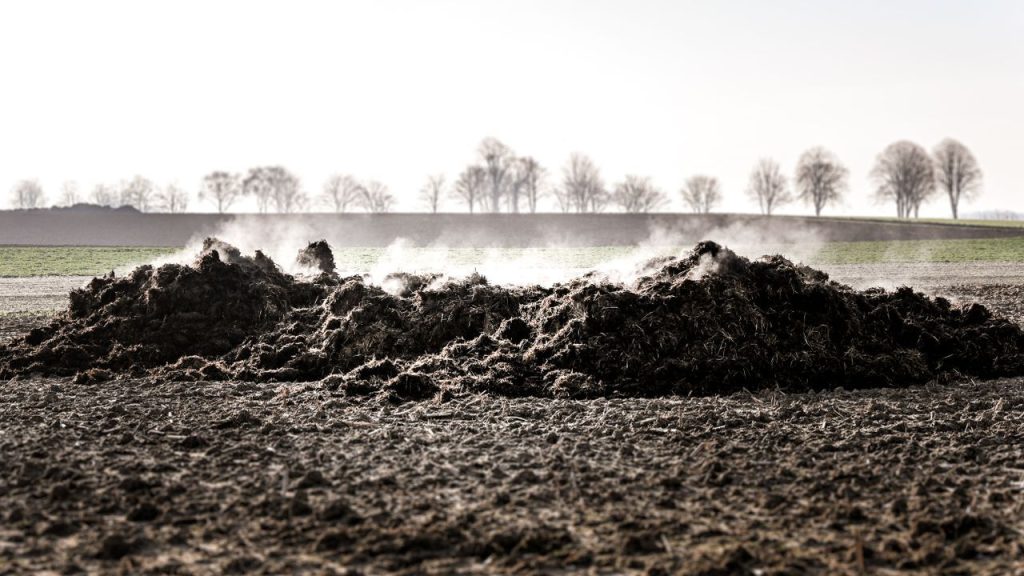
Dairy manure can create disposal and nutrient-management challenges, but it also contains materials that can be recovered and processed into fertilizer. Agriculture Project Holdco has been selected for approximately $116.9 million in proposed USDA funding toward a $360 million project to develop two fertilizer manufacturing facilities in Lewis, Kansas, and Fair Oaks, Indiana. The facilities would convert dairy manure into approximately 4,100 tons of liquid ammonium nitrate fertilizer annually. Ammonium nitrate supplies nitrogen, an essential nutrient for crop growth, although the fertilizer must be manufactured, stored, transported, and applied according to applicable safety and environmental requirements. The project would create another domestic source of nitrogen fertilizer while giving dairy operations a potential route for recovering nutrients from manure. Compared with the other selected projects, its projected annual fertilizer output is relatively small, but the investment also involves processing agricultural waste into a usable product. That can be valuable when nutrient recovery is managed carefully and the resulting fertilizer is transported to farms that can use it appropriately. The two proposed facilities would add to domestic production capacity if construction and commissioning proceed as planned. As with the other projects, the announced selection is a step in the funding process, not confirmation that the facilities are already operating or that their expected production has reached the market.