

The U.S. Department of Justice has filed an unusual lawsuit seeking to block certification of Alaska’s November 3, 2026, Senate election under certain circumstances. The case centers on Republican incumbent Dan Sullivan and another candidate, Daniel J. Sullivan Jr., whose similar names have raised concerns about possible voter confusion. The legal challenge comes after Alaska’s courts allowed the challenger to remain on the ballot, setting up a dispute over election integrity, voter intent, and the limits of federal authority over state-run elections.
The DOJ Wants to Block Certification if Dan Sullivan Loses
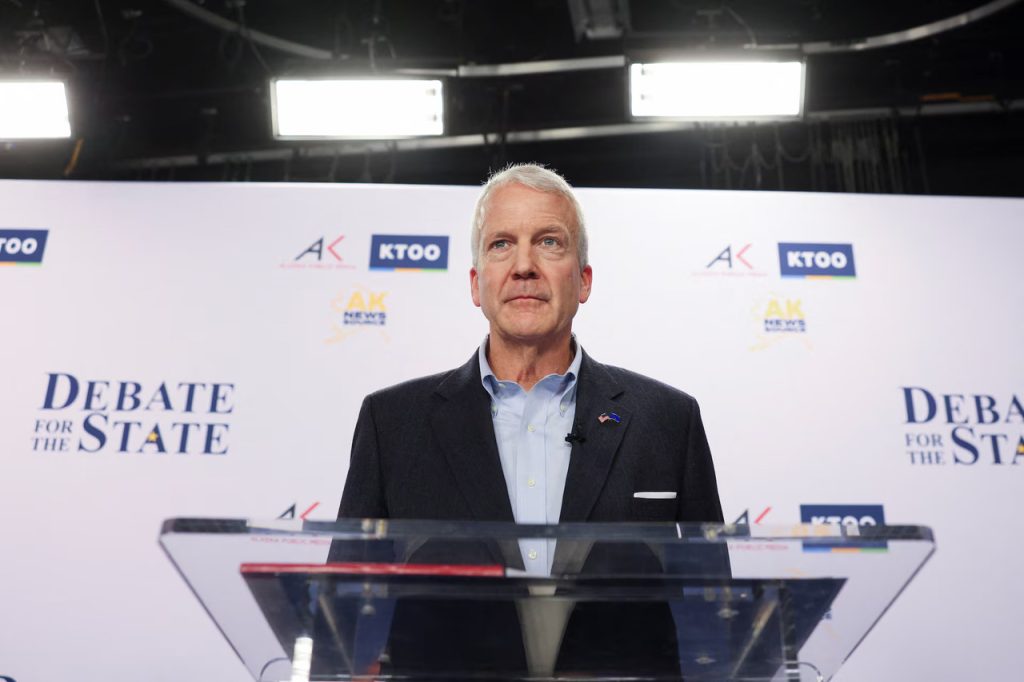
A closely watched Senate race in Alaska has become the center of an unusual legal battle, with the U.S. Department of Justice seeking to prevent the state from certifying its November 3, 2026, election results under certain circumstances. The lawsuit, filed in federal court in Anchorage on October 22, argues that the presence of two candidates with nearly identical names could confuse voters and potentially affect the outcome. Republican incumbent Senator Dan S. Sullivan is facing Democratic challenger Mary Peltola in a competitive race that could influence which party controls the Senate. The DOJ wants the court to prevent certification if the result may have been affected by confusion involving the other Sullivan candidate. Its complaint argues that if votes intended for the incumbent were mistakenly cast for the challenger, the election’s outcome could fail to reflect voters’ actual intentions. However, these are allegations made by the federal government, not findings established by a court. The lawsuit does not mean the election has been canceled or that the incumbent has lost. Instead, it seeks judicial intervention before the election takes place, raising questions about the federal government’s authority over state election procedures.
Two Republican Candidates Have Nearly Identical Names
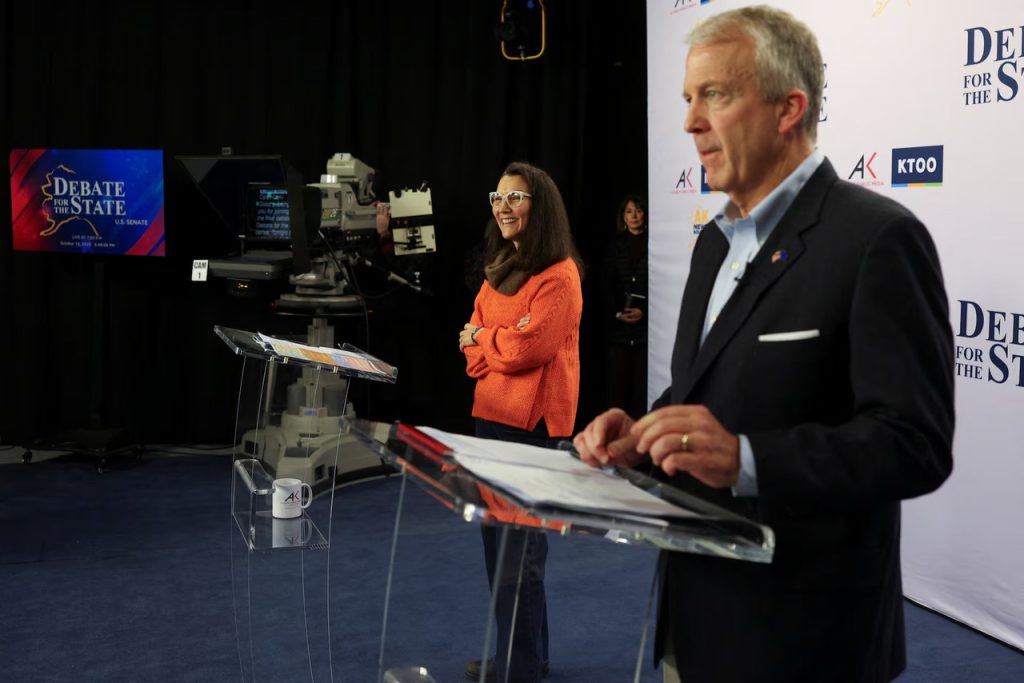
The unusual circumstances behind the lawsuit begin with two candidates whose names could look similar on a ballot. Incumbent Senator Dan S. Sullivan is running for reelection as a Republican, while Daniel J. Sullivan Jr. has also entered the Senate race. The DOJ alleges that the challenger entered the contest to mislead voters who intended to support the sitting senator and potentially divert votes away from him. According to the complaint, this could benefit Peltola by reducing the incumbent’s vote total in a closely contested election. Daniel J. Sullivan, however, has denied that his campaign is intended to confuse voters or take votes away from the senator. His candidacy has already faced legal challenges in Alaska, where election officials initially sought to remove him from the ballot over concerns about voter confusion. The dispute illustrates a difficult question for election administrators: how should they handle candidates with similar names when one person’s presence could potentially create confusion? Similar names alone do not establish that a candidate is acting improperly, and the allegations about the challenger’s motives remain disputed. The federal case will therefore involve not only concerns about ballot clarity but also the legal basis for restricting or challenging an eligible candidate’s participation.
The DOJ Wants an Investigation Into Potentially Miscast Votes
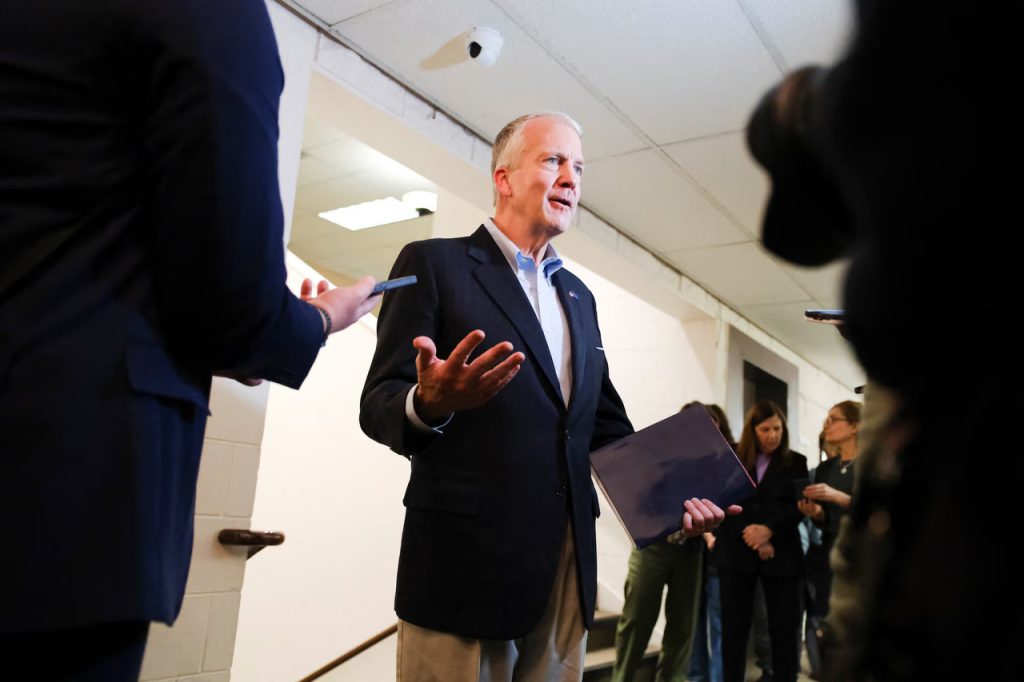
At the heart of the federal complaint is a request to investigate whether confusion between the two candidates could change the outcome of the Senate race. The DOJ argues that if the incumbent loses and the result may have been affected by votes mistakenly cast for Daniel J. Sullivan Jr., Alaska should not immediately certify the result. The government wants a federal court to intervene and allow an investigation into whether some ballots were intended for the incumbent instead. The case is particularly complicated because Alaska uses ranked-choice voting in its general elections for statewide offices, including the U.S. Senate. Under this system, voters rank candidates in order of preference. If no candidate receives more than half of the first-choice votes, the candidate with the fewest votes is eliminated, and ballots are transferred according to voters’ next available preferences until a winner emerges. The DOJ argues that votes mistakenly assigned to the challenger could affect how the process unfolds. However, determining what a voter intended can be difficult because ballots are secret, and a vote for one candidate does not automatically establish that the voter meant to support another. The lawsuit asks the court to address a possible problem before the results are certified, but the legal and practical questions surrounding such an investigation remain significant.
Alaska’s Supreme Court Already Allowed the Challenger on the Ballot
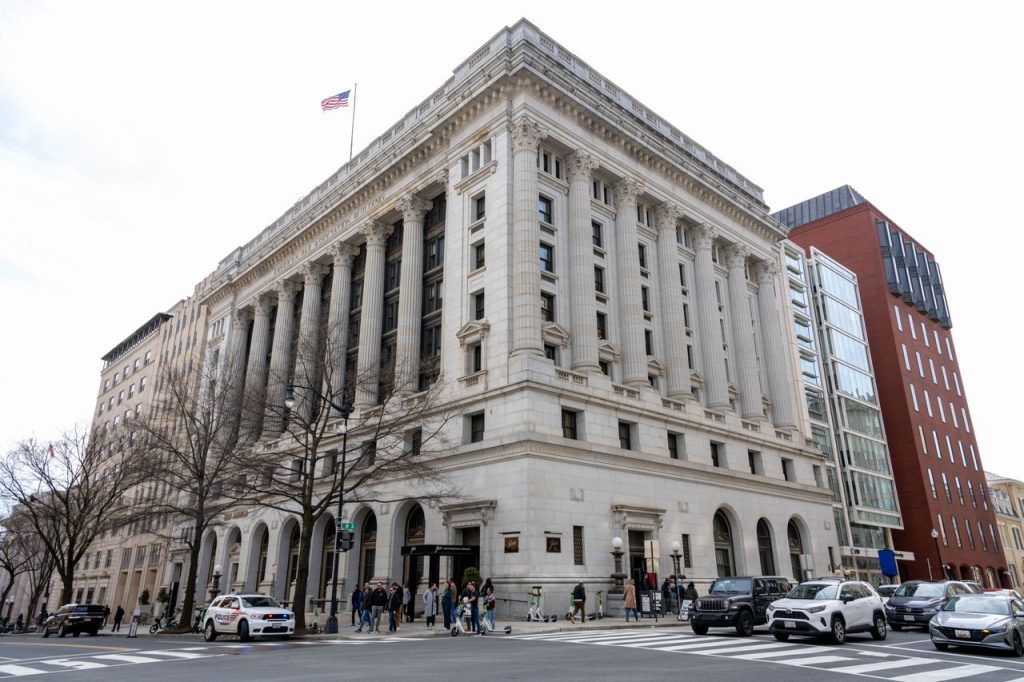
The dispute did not begin with the federal lawsuit. Alaska election officials had already challenged Daniel J. Sullivan Jr.‘s candidacy months earlier, arguing that it was intended to confuse voters and undermine the fairness of the ballot. In June 2026, the Alaska Division of Elections removed him from the primary ballot over those concerns. The candidate appealed, and an Anchorage Superior Court judge overturned the decision, finding that the claim that his candidacy was intended to confuse or mislead voters was not supported by the evidence presented. The state appealed that ruling, but the Alaska Supreme Court upheld the decision allowing him to remain on the ballot. The state did not pursue a further appeal to the U.S. Supreme Court. As a result, Daniel J. Sullivan Jr. is expected to appear on the November ballot alongside the incumbent and the other candidates. The DOJ’s new lawsuit represents a separate federal legal challenge rather than a simple continuation of the state case. It raises a different question about whether federal law gives the government grounds to intervene in the certification process. The earlier state court rulings are important because they show that the challenger’s eligibility has already undergone judicial review, although the federal lawsuit raises additional legal arguments that still need to be assessed.
The Ballot Distinguishes Between the Two Candidates
Although the two candidates share similar names, Alaska’s ballot includes details intended to distinguish them. Daniel J. Sullivan Jr. appears as a separate candidate without a party designation, while the incumbent is identified as Dan S. Sullivan, a registered Republican and the sitting senator. These distinctions have become central to the debate over whether voters are likely to mistake one candidate for the other. The DOJ argues that the similar names could still mislead people who intend to vote for the incumbent, even if the ballot includes different middle initials, a suffix, and an incumbent designation. Democratic candidate Mary Peltola and her campaign have challenged that concern, arguing that the ballot provides enough information for voters to tell the candidates apart. The distinction matters because the lawsuit is based on the possibility that confusion could affect the election outcome, rather than on a finding that voters have already been misled. The challenger has also rejected claims that his candidacy is intended to benefit Democrats. Ultimately, the ballot’s wording is only one part of the dispute. The court must also consider whether the federal government has a valid legal basis to intervene and whether the circumstances described in the complaint justify the requested relief.