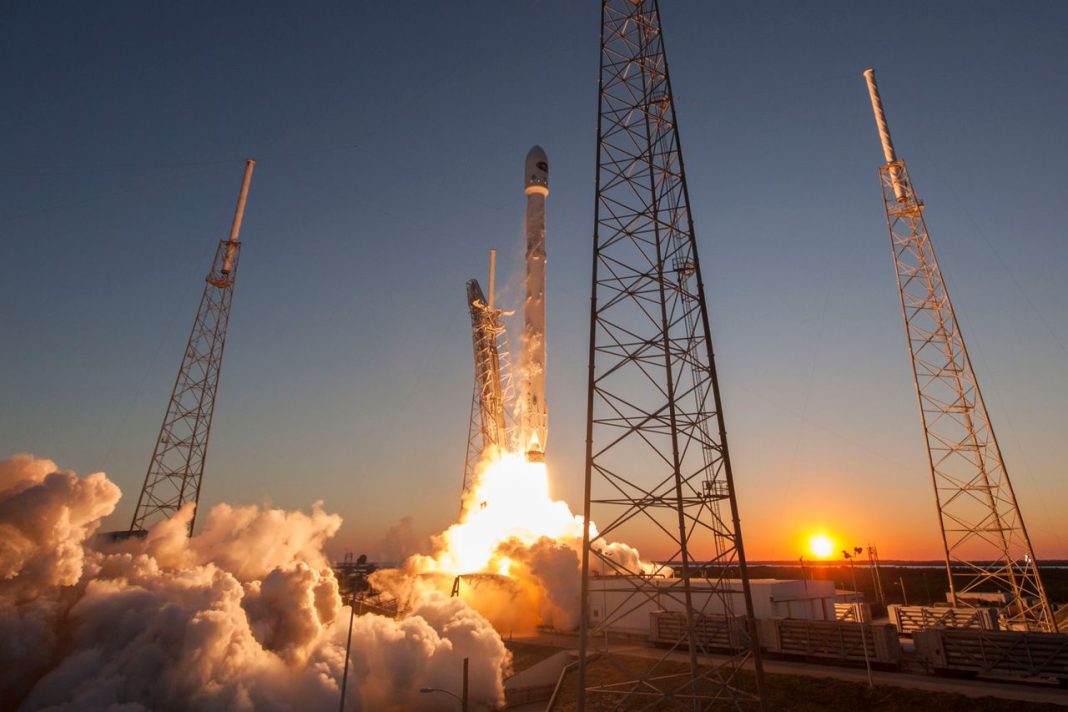

NASA is preparing for a major step in space exploration with its Space Reactor-1 Freedom mission, which is targeting a late 2028 launch toward Mars. The spacecraft will use a nuclear reactor to generate electricity for its propulsion system, demonstrating technology that could make future deep-space journeys more practical. It will also deliver three advanced helicopters designed to investigate the Martian surface and search for underground water ice. Beyond Mars, the mission could help NASA develop the nuclear power systems needed for future lunar exploration and longer journeys across the solar system.
NASA Is Targeting a Late 2028 Launch for SR-1 Freedom
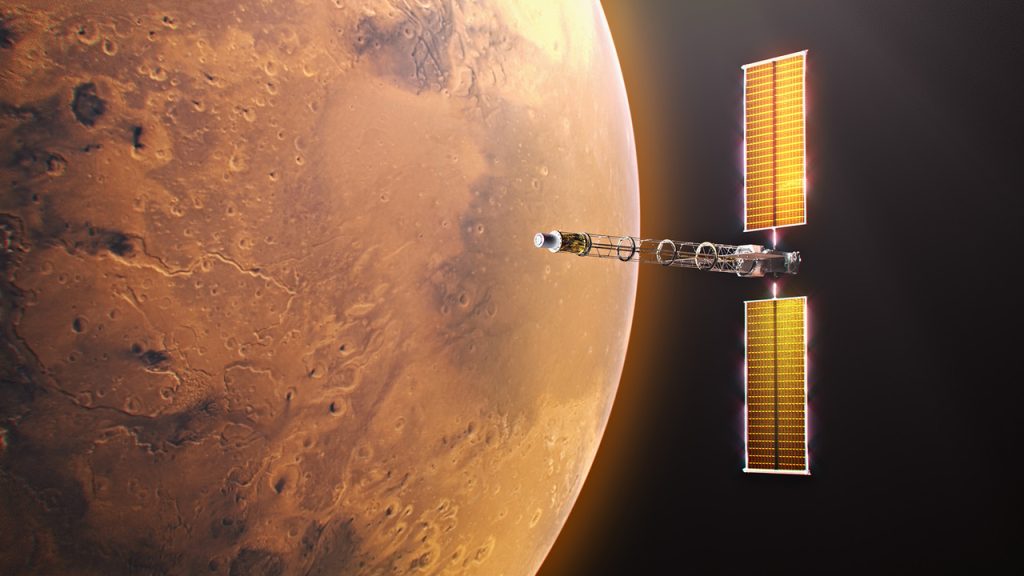
NASA is preparing for a milestone in space exploration with its Space Reactor-1 Freedom mission, which is targeting a launch in late 2028. The spacecraft is designed to become the first fission-powered interplanetary spacecraft, demonstrating how nuclear energy can support travel beyond Earth’s orbit. Unlike conventional spacecraft that rely heavily on solar panels for electricity, SR-1 Freedom will use a nuclear reactor to generate power for its onboard systems and electric propulsion. NASA plans to send the spacecraft toward Mars, where it will deliver a scientific payload known as SkyFall, consisting of three helicopters based on the agency’s successful Ingenuity design. The mission is currently scheduled to reach Mars in 2029, although the helicopters are expected to land later, following a subsequent approach to the planet. The project represents an important step toward developing spacecraft that can travel farther and support more demanding scientific missions. However, the launch date remains a target, and the mission must complete its engineering, integration, and testing milestones before it can depart Earth.
The Spacecraft Will Demonstrate Nuclear Electric Propulsion Beyond Earth
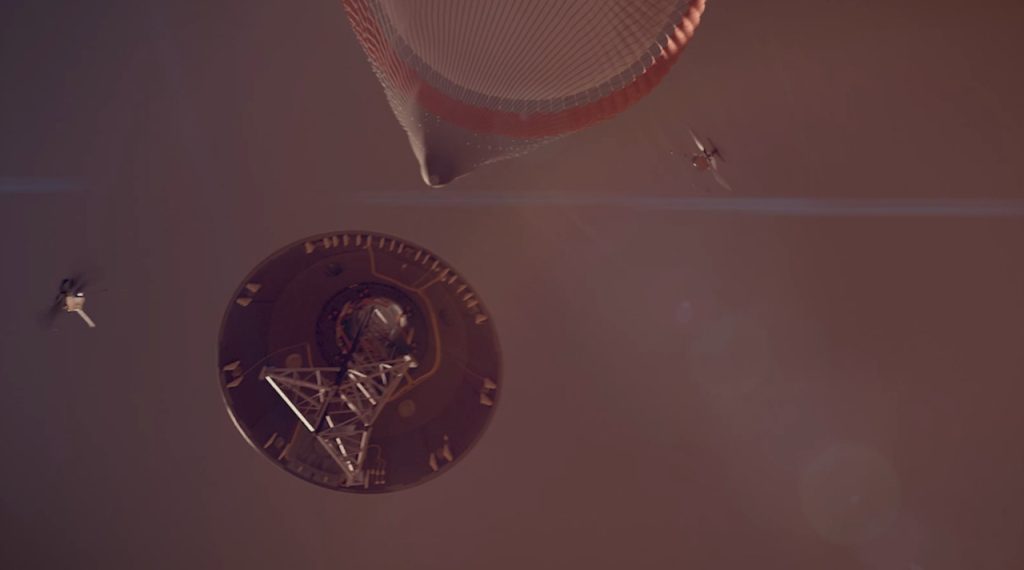
Traveling through deep space requires a propulsion system that can operate efficiently over long periods, and NASA hopes to demonstrate that nuclear electric propulsion can help meet this challenge. SR-1 Freedom will use electricity generated by a nuclear reactor to power electric thrusters, rather than relying entirely on conventional chemical propulsion. The system is designed to produce continuous, efficient thrust over extended periods, although electric propulsion generally accelerates spacecraft more gradually than chemical rockets. This makes it particularly useful for missions where efficiency and sustained operation matter more than an extremely powerful initial push. NASA’s spacecraft will use an Advanced Electric Propulsion System featuring a 12-kilowatt Hall thruster, which accelerates charged particles to generate thrust. The mission is intended to demonstrate nuclear electric propulsion in deep space and establish practical experience with a technology that could support future robotic and human exploration. If successful, the results could inform the design of spacecraft traveling to Mars and destinations beyond it. The mission will also provide engineers with valuable information about operating a nuclear-powered propulsion system in space, including how its components perform together during an actual interplanetary journey.
A Nuclear Reactor Will Generate Electricity for the Spacecraft
At the center of SR-1 Freedom is a nuclear power module that will convert energy from nuclear fission into electricity. Fission occurs when atoms of certain heavy elements split, releasing energy as heat. In the spacecraft’s reactor, that heat will feed a closed Brayton cycle power conversion system, which turns thermal energy into electrical power for the spacecraft’s systems and propulsion equipment. NASA identifies high-assay low-enriched uranium, or HALEU, as the reactor’s fuel. The mission’s nuclear power module is designed to produce 20 kilowatts of electrical power, while the spacecraft’s Power and Propulsion Element is listed as generating 48 kilowatts of electrical power. These figures refer to different elements of the spacecraft’s power architecture, rather than representing a single interchangeable measurement. Nuclear power offers an important advantage for deep-space missions because it does not depend on constant sunlight. Solar panels can become less effective as spacecraft travel farther from the Sun, and dust storms or long periods of darkness can limit solar power on planetary surfaces. A reactor could provide a more dependable energy source for demanding missions, although the technology must meet strict engineering and safety requirements before it can be used operationally.
The Department of Energy Is Developing the Reactor
NASA is not developing every part of the nuclear system alone. The U.S. Department of Energy, working through Idaho National Laboratory, is responsible for designing and developing the fission reactor that will form part of SR-1 Freedom’s nuclear power module. NASA’s Glenn Research Center and its industry partners are supporting other elements, including the closed Brayton cycle system that converts reactor heat into electricity. Sierra Lobo Inc. has been selected to provide the power conversion system under an existing NASA contract covering spaceflight hardware development, testing, and operations. Bringing these capabilities together requires careful coordination because the reactor, power conversion equipment, propulsion system, and spacecraft structure must function as an integrated unit. Nuclear safety is also a major consideration. NASA and the Department of Energy say they are incorporating safety reviews, regulatory compliance, engineering oversight, and procedures designed to address potential hazards and system failures. One important safeguard is that the reactor will remain inactive while the spacecraft is in Earth orbit. It is intended to be activated only after the spacecraft has departed Earth orbit. This approach forms part of the mission’s broader safety strategy as the agencies work toward demonstrating nuclear-powered spacecraft operations beyond Earth.
Three Mars Helicopters Will Search for Potential Water Sources
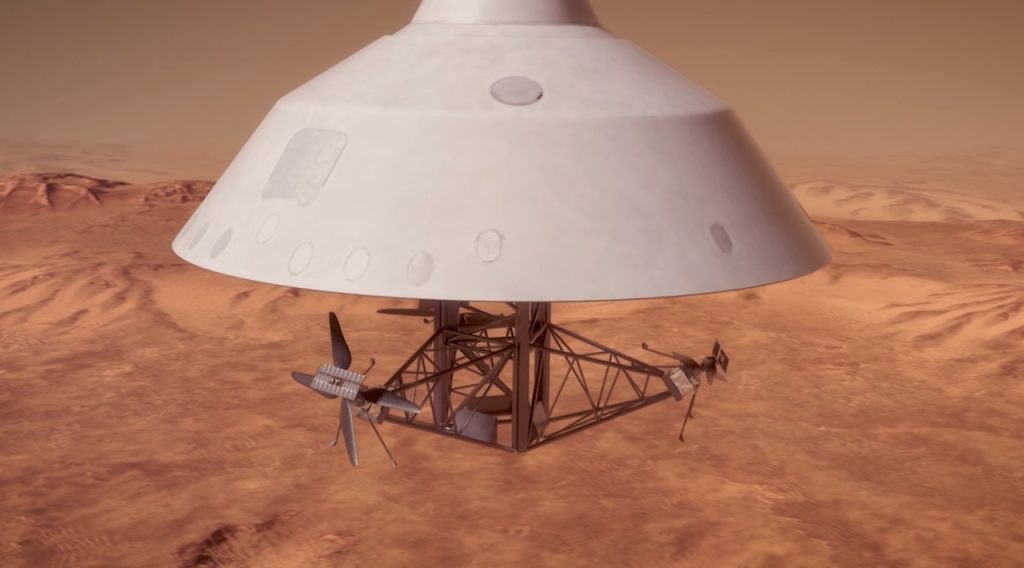
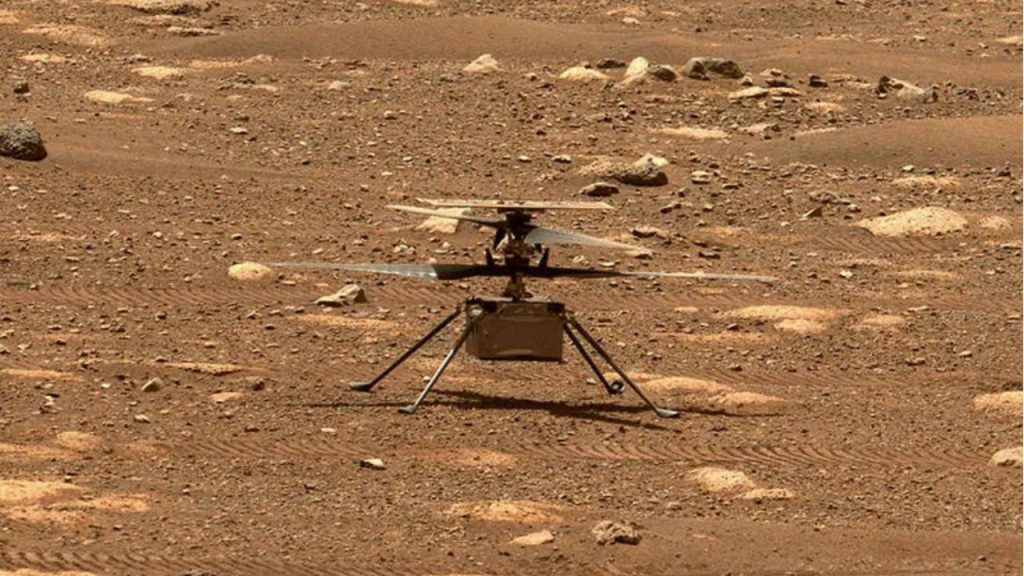
SR-1 Freedom is not traveling to Mars simply to demonstrate a new power system. It will also deliver SkyFall, a payload consisting of three small helicopters designed to expand the way scientists explore the Red Planet. The helicopters build on NASA’s Ingenuity mission, which demonstrated the first powered, controlled flight on another planet. Unlike Ingenuity, which primarily demonstrated flight and captured aerial images, the SkyFall helicopters are designed to carry more advanced scientific instruments. These include ground-penetrating radar, visible-light cameras, near-infrared imaging equipment, and sensors that measure air temperature and wind. The radar will investigate underground structures and search for possible deposits of water ice beneath the Martian surface. NASA says the instruments could help identify ice deposits at depths of approximately 1.6 to 10 feet under suitable conditions. The helicopters will also gather images that can be combined into detailed maps of the terrain, helping scientists assess areas that may be suitable for future exploration. Flying on Mars is challenging because its atmosphere has only about 1% of Earth’s surface air pressure, leaving rotor blades with far fewer air molecules to push against. The helicopters’ design must account for these conditions while carrying their scientific equipment. Their findings could help researchers understand the planet’s geology and identify resources that may matter to future human missions.
The Mission Will Help Prepare Nuclear Power Systems for Future Lunar Exploration
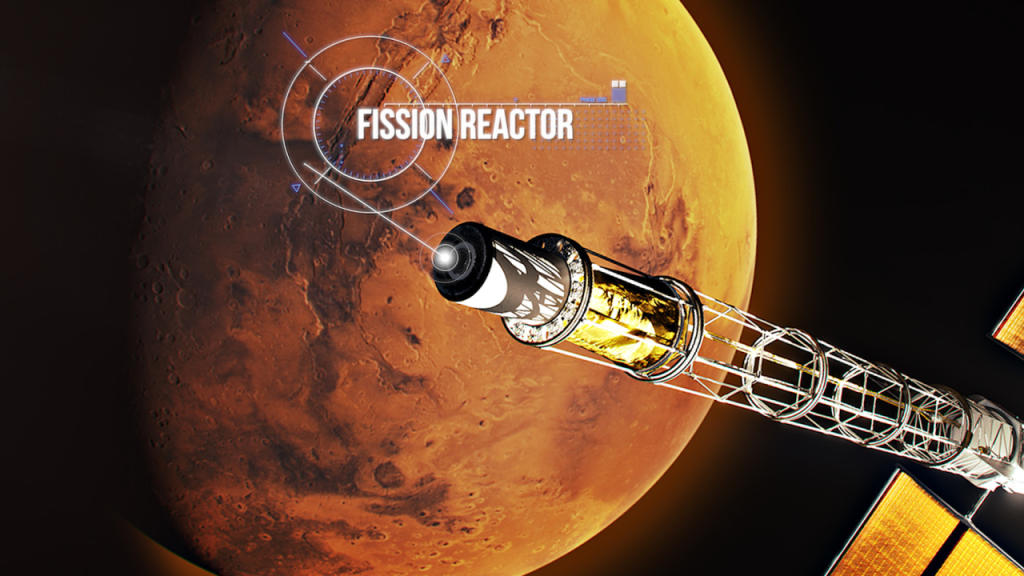
The longer-term value of SR-1 Freedom extends beyond its trip to Mars. NASA views the mission as an early step toward developing nuclear power systems that could support a sustained human presence on the Moon and enable more ambitious exploration farther into the solar system. Solar energy remains useful for many space missions, but it cannot provide uninterrupted power everywhere. Some lunar locations experience extended periods without sunlight, while permanently shadowed regions of the Moon may never receive direct sunlight. Mars also experiences dust storms that can reduce the effectiveness of solar-powered equipment. A nuclear fission system could provide electricity in places where sunlight is limited or unreliable, helping support habitats, scientific instruments, communications equipment, and other infrastructure. NASA plans to use the experience gained from SR-1 Freedom to inform Lunar Reactor-1, a proposed fission surface-power system intended to support future lunar operations. Testing the reactor in space before attempting to land a nuclear power system on the Moon allows engineers to address technical challenges in stages. The mission could also help develop the workforce, industrial supply chain, and operating experience needed for future space nuclear projects. Its success would not guarantee that a permanent lunar base or crewed Mars mission will follow immediately, but it could provide important engineering knowledge for making those ambitions more practical.