
Minnesota’s firearms deer season opens Nov. 7, 2026, bringing new regulations, updated licensing procedures and changing deer population trends that hunters should understand before heading into the field. From chronic wasting disease testing requirements to revised firearm restrictions and harvest registration rules, here’s what hunters need to know before opening weekend.
Minnesota’s New Chronic Wasting Disease Testing Schedule Begins
Minnesota is changing how it monitors chronic wasting disease (CWD), a fatal neurological disease that affects deer and other members of the deer family. Beginning in 2026, the Minnesota Department of Natural Resources (DNR) is introducing a four-year statewide rotational surveillance plan designed to improve its understanding of where the disease is present. Hunters in southwest Minnesota must have all harvested deer that are at least one year old sampled for CWD during the firearms season opening weekend on Nov. 7 and 8. The state has divided its surveillance effort into four blocks, with northwest Minnesota scheduled for mandatory sampling in 2027, northeast Minnesota in 2028 and southeast Minnesota in 2029. Hunters should identify their deer permit area and check whether mandatory testing applies before heading out. Sampling options include staffed or self-service stations, participating taxidermists and processors, and free mail-in kits obtained before opening weekend. Hunters using mail-in kits must follow the DNR’s instructions for submitting samples within the required timeframe. Voluntary testing remains available statewide when mandatory sampling does not apply. Planning ahead can help hunters avoid unnecessary delays after a successful hunt.
Minnesota Has Eliminated the Statewide Shotgun Zone

Hunters who are accustomed to Minnesota’s former statewide shotgun zone will need to review the rules before choosing their firearms this season. The DNR has eliminated the statewide designation, giving individual counties that were previously part of the zone the option to establish their own shotgun-only or partial shotgun-only restrictions. This means hunters cannot assume that the same firearm rules apply everywhere simply because a county was once included in the former zone. Local restrictions may differ, so checking the regulations for the specific county where a hunt will take place is essential. Hunters should also review the state’s general deer hunting regulations and any applicable local ordinances before setting out. A firearm that is legal in one location may not meet the restrictions in another. The change makes local research an important part of preparing for the Nov. 7 opener, particularly for hunters who travel between counties or hunt unfamiliar public and private land. Checking the latest rules in advance can help prevent an avoidable violation.
Minnesota’s New Electronic Licensing System Changes How Hunters Buy Licenses
Getting a deer license is another task hunters should complete before the season begins. Minnesota launched a modernized electronic licensing system in 2026, changing how hunters purchase licenses and handle certain harvest-related transactions. Licenses can be purchased online, through the Minnesota DNR’s licensing mobile app or in person at participating license agents. Hunters can also choose to carry their license as a paper copy, a PDF or a digital version stored in the app. Although the system is available, the DNR recommends allowing extra time for the first transaction, especially for people who have not used the new platform before. Some hunters with multiple records in the previous system may need assistance from the DNR License Center to transfer their history and establish their accounts. Anyone purchasing a license in person should confirm that the chosen agent is selling licenses for the current season. Hunters should also familiarize themselves with the updated harvest validation and registration process, since these are separate requirements. Taking care of licensing early leaves less to sort out on opening morning.
Hunters Must Validate Their Deer Harvests Before Transporting Them
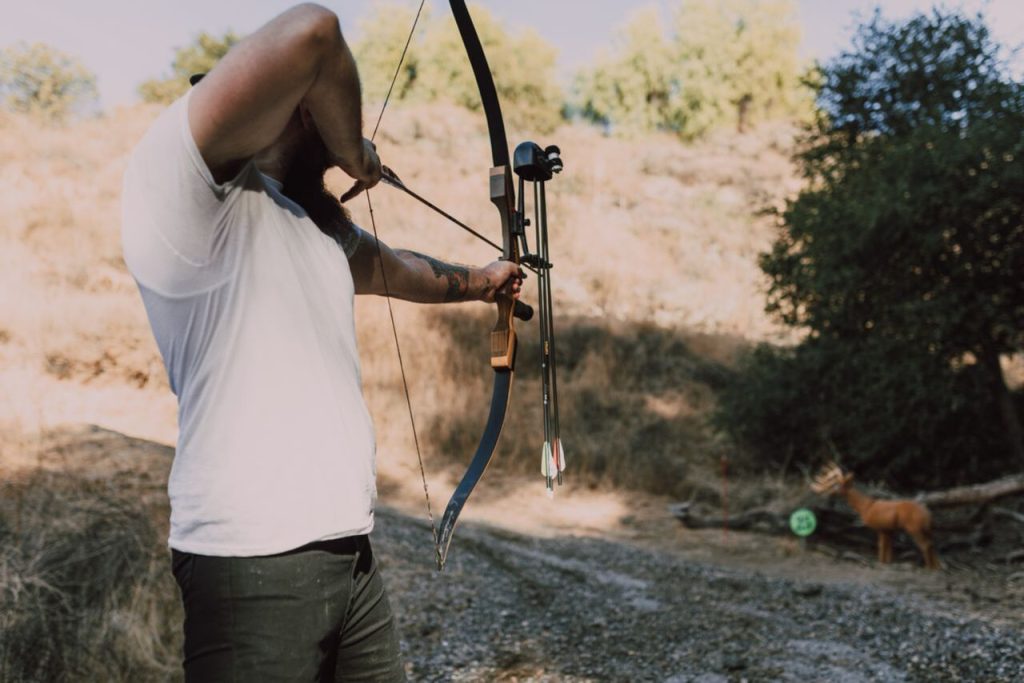
A successful hunt now comes with an important administrative step that hunters need to understand before moving a deer. Minnesota has replaced physical carcass tagging with site validation, which means hunters must validate a harvested deer at the site of the kill using the mobile app, a paper form or the electronic licensing system. This requirement must be completed before the animal is transported. Harvest registration is a separate step, and every deer must be registered within 48 hours of being taken and before it is processed, either privately or commercially. Hunters can register deer online, through the DNR mobile app or at an official big-game registration station. Online and app-based registration options become available after site validation has been completed. Antlers must remain attached until the deer is registered, so hunters should keep this requirement in mind when transporting or preparing their harvest. The updated system is intended to simplify the process, but hunters should understand the distinction between validation and registration rather than treating them as one interchangeable task. Reviewing the instructions beforehand can help ensure that each step is completed correctly.
Southern Minnesota Deer Populations Remain Stable or Are Increasing
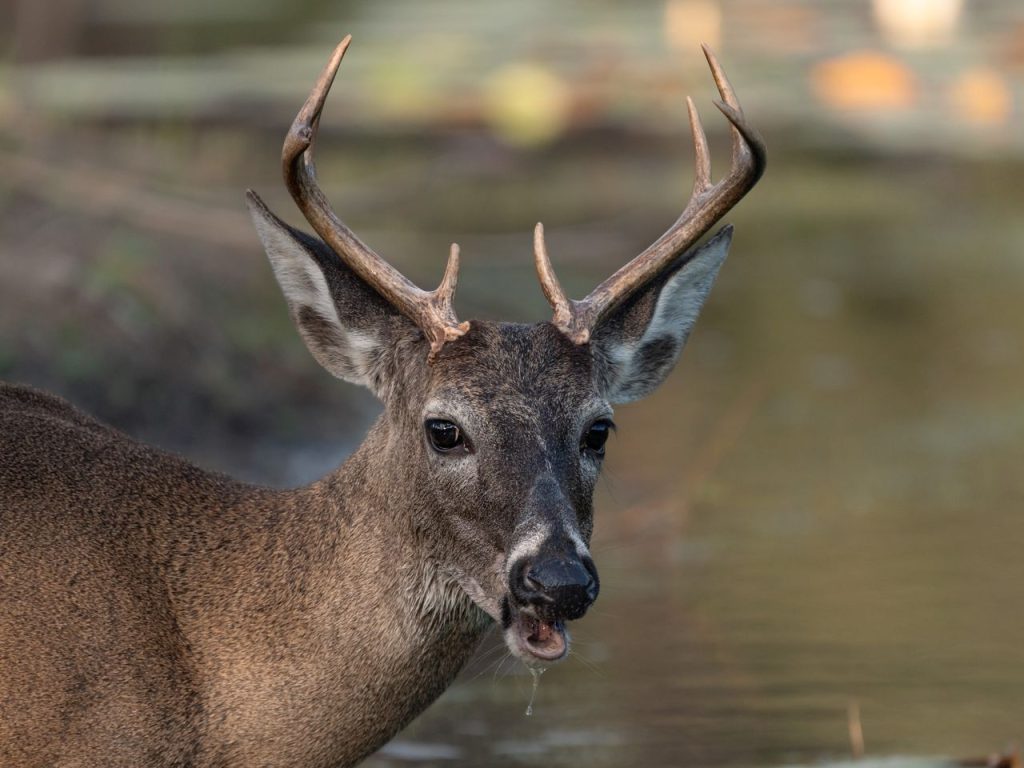
Hunters heading to southern Minnesota can expect deer numbers to remain broadly similar to those recorded in 2025. According to the DNR, populations across the region have remained stable or increased, largely because several mild winters have improved deer survival and reproduction. Weather conditions and food availability have also helped shape the outlook for the season. Although much of the summer was dry, trees producing nuts, seeds and berries had a productive year, particularly bur oaks. Later rainfall also encouraged fresh growth of cool-season vegetation, which may provide additional food for deer later in the season. Some wetlands have begun refilling following recent rainfall. These conditions offer a useful picture of the landscape hunters can expect, although deer activity and local population levels will still vary from one area to another. The DNR also reports that several deer permit areas that had one-deer limits last year have increased bag limits for 2026. Hunters should check the rules for their particular permit area rather than assume that last season’s limits remain unchanged.
Northwest Minnesota Offers More Opportunities to Harvest Antlerless Deer

Northwest Minnesota is entering the 2026 firearms season with deer populations in very good condition, according to the DNR. Three relatively mild winters, combined with conservative bag limits across much of the region, have helped herds rebound. Favorable grazing conditions have also supported deer health, with a fair to good acorn crop in some areas providing an important source of nutrition. Warm temperatures, timely rainfall and relatively late frosts have allowed grasses and other green vegetation to remain available through much of the fall. In response to the recovering herds, the DNR has made bag limits less restrictive in many deer permit areas across the region. Hunters will have more opportunities to harvest additional antlerless deer in nearly two dozen permit areas, while more areas than last year will allow a two-deer or three-deer harvest. However, these changes do not apply uniformly throughout northwest Minnesota. Deer Permit Area 203 remains the only area in the region restricted to bucks-only harvest, and some other areas continue to have lower limits to help bring local populations back toward established management goals. Hunters should confirm the rules for their specific permit area before deciding which deer they can legally harvest.