Election Day is an important opportunity for Minnesotans to make their voices heard, but a little preparation can make the experience much easier. With polls opening across the state on Tuesday, November 3, voters should take a few minutes to confirm their registration, locate their assigned polling place, and understand what identification or proof of residence they may need. From reviewing sample ballots to checking available accessibility services, these seven reminders can help Minnesota residents avoid common Election Day surprises and arrive prepared to cast their votes.
Confirm Your Polling Place Before Leaving Home

Knowing where to vote can save considerable time on Election Day, especially for voters who have recently moved or are unfamiliar with their precinct. Minnesota voters can look up their assigned polling place through the state’s official voter information website by entering their residential address. The polling place finder also provides information about voting locations and helps residents avoid the mistake of heading to a location they used in a previous election. Polling places can occasionally change because of building availability, construction, or local election administration decisions. This makes checking the location ahead of time particularly important. Voters should also remember that they generally must cast their ballot at their assigned polling place rather than choosing any convenient location in their city. The Minnesota Secretary of State provides an online polling place finder through its election website, making it easy to confirm the correct location before Tuesday.
Check Your Voter Registration Status

A quick registration check can prevent an unexpected delay when voters arrive at their polling places. Minnesota allows eligible residents to register on Election Day, but checking registration status beforehand helps determine whether additional documentation will be necessary. Voters can use the state’s online registration lookup by entering their name, date of birth, and residential address. It is particularly important for people who have recently moved, changed their names, or have not participated in an election for several years. Minnesota generally requires voters to update their registration when their name or address changes. Advance registration for the November 3, 2026, general election has already closed, but eligible residents can still register at their polling place on Election Day. To qualify, voters must be U.S. citizens, at least 18 years old on Election Day, Minnesota residents for at least 20 days, and meet the state’s other eligibility requirements. Checking registration status early gives voters a better idea of what to expect when they arrive.
Know Whether You Need to Bring Proof of Residence

One important detail about voting in Minnesota is that not everyone needs to show identification at the polling place. Voters with an active registration who successfully registered at least 21 days before Election Day and have not changed their name or moved generally do not need to bring an ID. However, anyone registering or updating their registration at the polling place must provide an approved form of proof of residence. Minnesota offers several ways to satisfy this requirement. Voters can present a Minnesota driver’s license, learner’s permit, or state identification card showing their current address. Another option is to bring an approved photo ID alongside a document showing their current name and address, such as a recent utility bill, bank statement, residential lease, or student fee statement. A registered voter from the same precinct can also confirm another voter’s residence through a process called vouching. Importantly, the rules are different for voters who have not voted in four years or more, as they may need to provide proof of residence even if they previously registered. Understanding these requirements beforehand can make Election Day registration much easier.
Review Your Sample Ballot and the Candidates
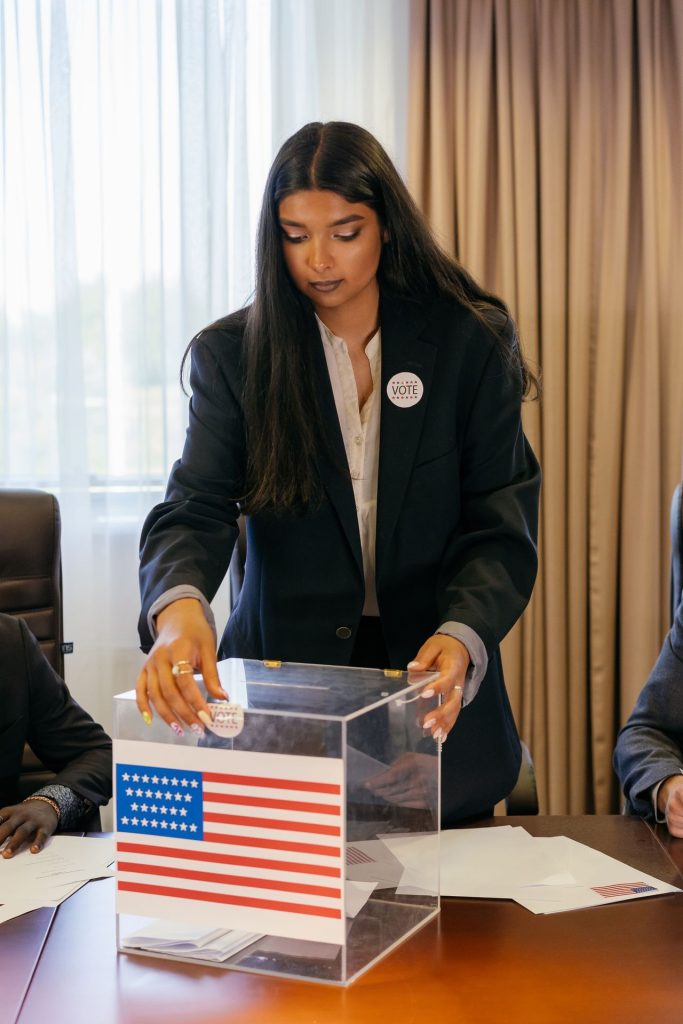
Walking into a polling place without knowing what is on the ballot can make an already important decision more stressful. Minnesota voters can review their sample ballots online before Election Day to see the candidates and ballot questions they will encounter. The sample ballot is particularly useful because the races can vary depending on where someone lives. For the November 3, 2026, general election, statewide and federal contests include races for U.S. Senate, U.S. House of Representatives, governor and lieutenant governor, secretary of state, state auditor, attorney general, state Senate, and state House of Representatives. Voters will also encounter a proposed constitutional amendment and judicial races. Depending on their county, city, township, or school district, some residents may have additional local candidates and ballot questions to consider. Reviewing the sample ballot gives voters an opportunity to research candidates, understand proposed changes, and make informed choices before reaching the voting booth. It also helps prevent confusion when a ballot contains several unfamiliar names or local questions.
Check Your Polling Place’s Opening and Closing Hours
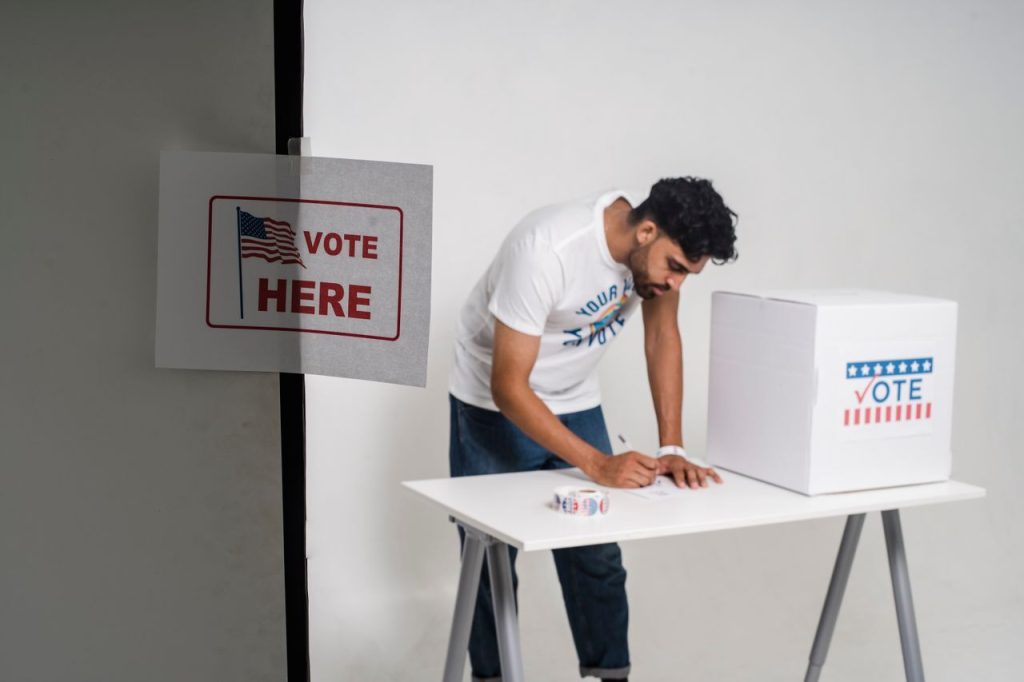
Timing matters on Election Day, particularly for people balancing work, school, family responsibilities, and other commitments. Minnesota’s polling places for the November 3 general election are generally scheduled to open at 7 a.m. and close at 8 p.m. However, there is an important exception for certain smaller communities. Towns with fewer than 500 residents are not required to open until 10 a.m. for state and federal elections, although many choose to begin voting at 7 a.m. Regardless of when a polling place opens, voters should pay attention to the closing deadline. Minnesota allows anyone who is already in line by 8 p.m. to cast a ballot, even if they do not reach the voting booth until later. This protection is particularly helpful when long lines develop toward the end of the day. Checking local polling hours before leaving home can help residents plan their visits without unnecessary rushing. Those who are unsure about their location’s schedule can contact their county election office or consult the Minnesota Secretary of State’s official voting information.
Understand Your Voting Rights and Polling Place Rules

Knowing the rules can make the voting experience considerably less intimidating, especially for people who are voting for the first time or returning after several years. Minnesota gives eligible voters several important protections at the polls. One of the most useful is the right to take time off work to vote without losing pay, personal leave, or vacation time. Employers must provide employees with the necessary time to vote during the morning of Election Day, although employees should coordinate with their workplaces about scheduling. Voters also have the right to register at their polling place, request assistance when needed, and receive help if they encounter difficulties during the voting process. Minnesota law also protects voters from intimidation and improper interference at polling locations. Election challengers must follow specific rules and cannot simply question voters without a legally permitted reason. If someone believes their voting rights have been violated, they can raise the issue with election judges or contact the appropriate election officials. Understanding these protections helps residents approach Election Day with greater confidence and recognize when something at the polling place does not follow the rules.
Check Available Voting Assistance and Accessibility Services
Voting should be accessible to everyone, including residents who have disabilities, mobility limitations, or difficulty understanding the ballot. Minnesota provides several forms of assistance to help eligible voters participate privately and independently. Voters can bring someone they trust to assist them at the polling place, or they can request help from election judges. However, employers and union representatives are not permitted to provide this assistance. People who need help marking their ballots can receive support, but the person assisting them cannot influence their choices or select candidates on their behalf. Minnesota polling places are also required to meet applicable physical accessibility standards, while ballot-marking equipment helps voters with disabilities complete their ballots. Residents who have difficulty entering a polling location may also request curbside voting assistance, allowing election judges to bring the necessary materials to them outside. Language assistance is another important consideration, with election information and resources available in several languages, including Spanish, Hmong, Somali, Vietnamese, and Chinese. Voters who anticipate needing assistance should check the available services before Tuesday so they know what to expect when they arrive.