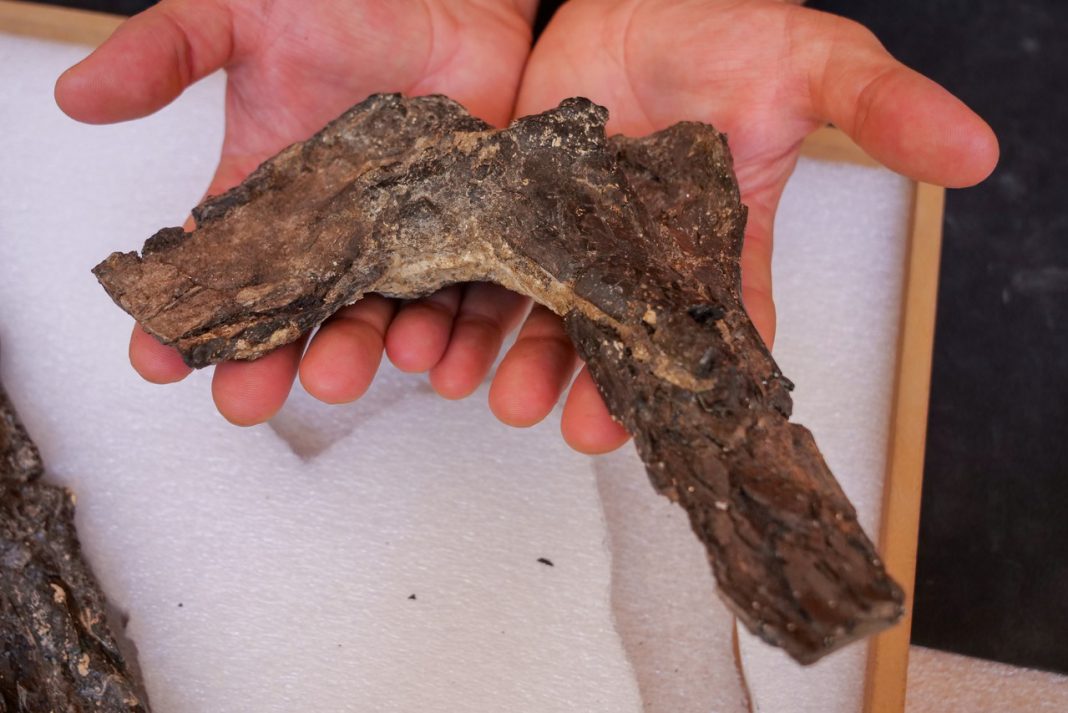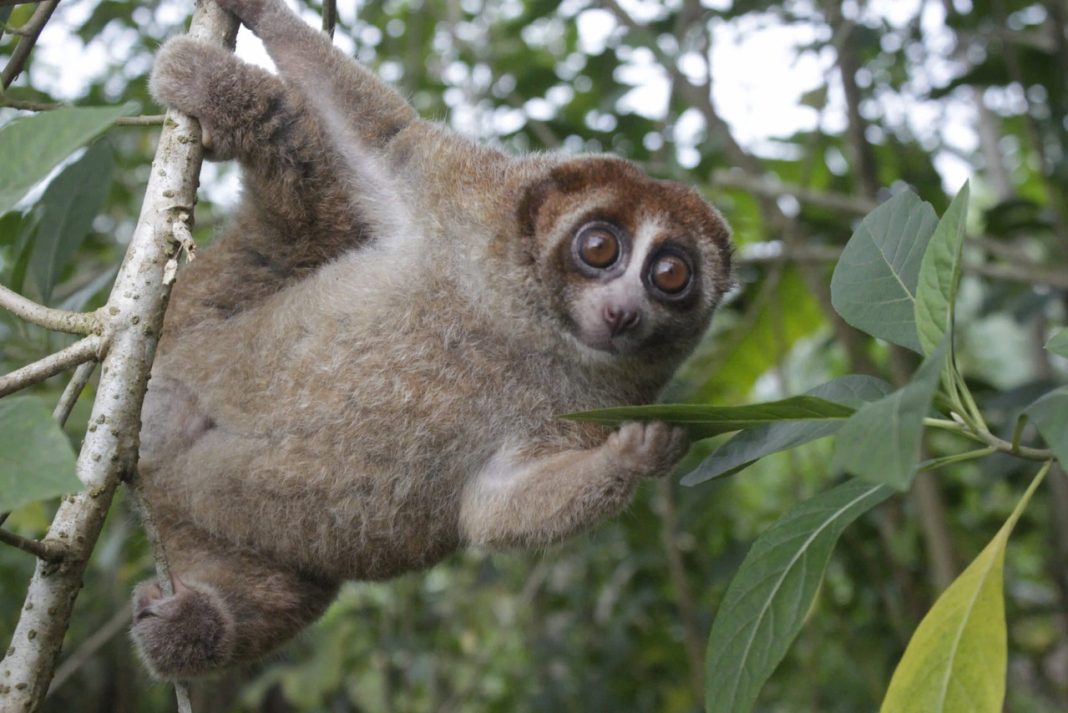

For nearly 90 years, the Bangka slow loris remained missing from scientific records, leaving researchers worried that the elusive primate had vanished. Now, a remarkable rediscovery has confirmed that the tiny, venomous animal is still alive on Indonesia’s Bangka Island. More than 90 individuals have been rescued over the past decade, offering new hope for the species. However, shrinking forests, illegal mining and expanding plantations continue to threaten its survival.
The Bangka Slow Loris Has Returned to Scientific Records After Nearly 90 Years
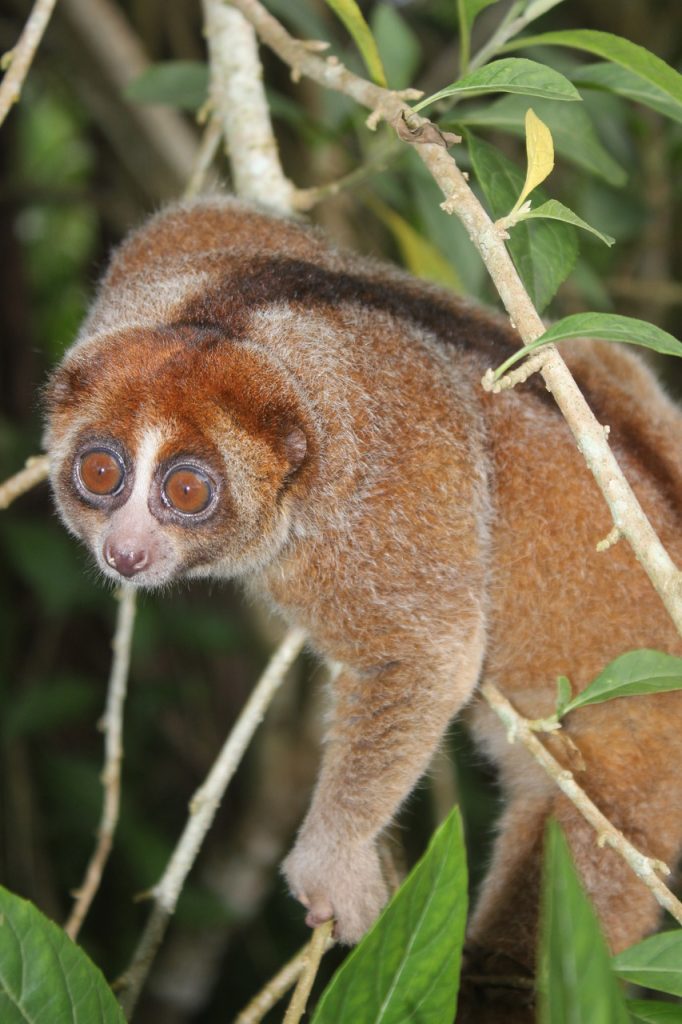
Sometimes, a species disappears from scientific records without actually disappearing from the wild. That is precisely what happened to the Bangka slow loris (Nycticebus bancanus), a small, nocturnal primate native to Indonesia’s Bangka Island and parts of southwestern Borneo. The animal was last documented in scientific literature in 1937, leaving researchers uncertain about whether it had survived. Its uncertain status eventually led the International Union for Conservation of Nature (IUCN) to classify it as Critically Endangered, Possibly Extinct, in 2015. However, local residents continued encountering these animals, and wildlife rescuers had been quietly collecting records of them for years. A study published in the scientific journal Spixiana in October 2026 finally brought those records into the scientific literature. The research confirms that the species continues to survive across parts of Bangka Island. Although this is an encouraging development, the rediscovery does not mean the animal is out of danger. Scientists still need population surveys and genetic research to understand how many remain in the wild and whether their numbers are stable.
More Than 90 Slow Lorises Were Rescued Across Bangka Island Between 2015 and 2025
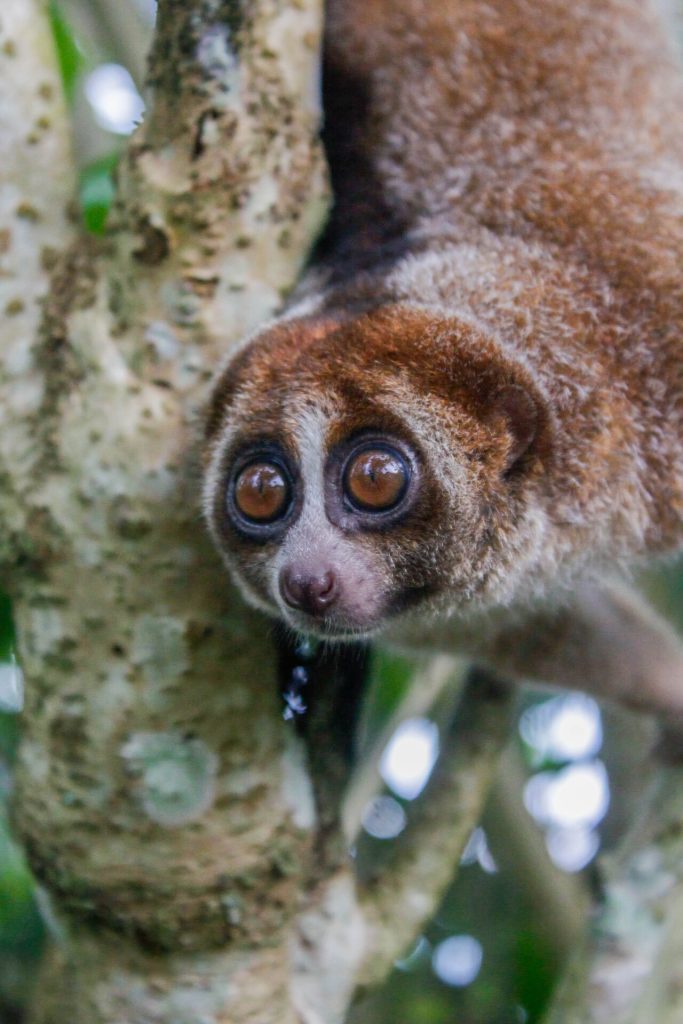
The story of the Bangka slow loris is also a reminder of how much local communities can contribute to wildlife conservation. Between 2015 and 2025, the Alobi Wildlife Rescue Center recorded more than 90 individuals brought in from different parts of Bangka Island. Many were discovered in residential gardens, houses, along roadsides and in oil palm plantations. Residents and local authorities contacted the rescue organization when they encountered animals in need of assistance. Some lorises had been kept in captivity or recovered from the wildlife trade, while others suffered injuries after coming into contact with electrical wires, fences, vehicles and domestic dogs. Particularly revealing were the 43 individuals rescued from 2021 onward, with documented locations covering all four regencies of Bangka and the city of Pangkal Pinang. These records suggest the species may still be distributed across much of the island, although they do not establish the size of its wild population. Without the consistent efforts of local rescuers and residents, many of these encounters might never have reached researchers.
Illegal Tin Mining and Palm Oil Expansion Are Destroying Its Remaining Habitat
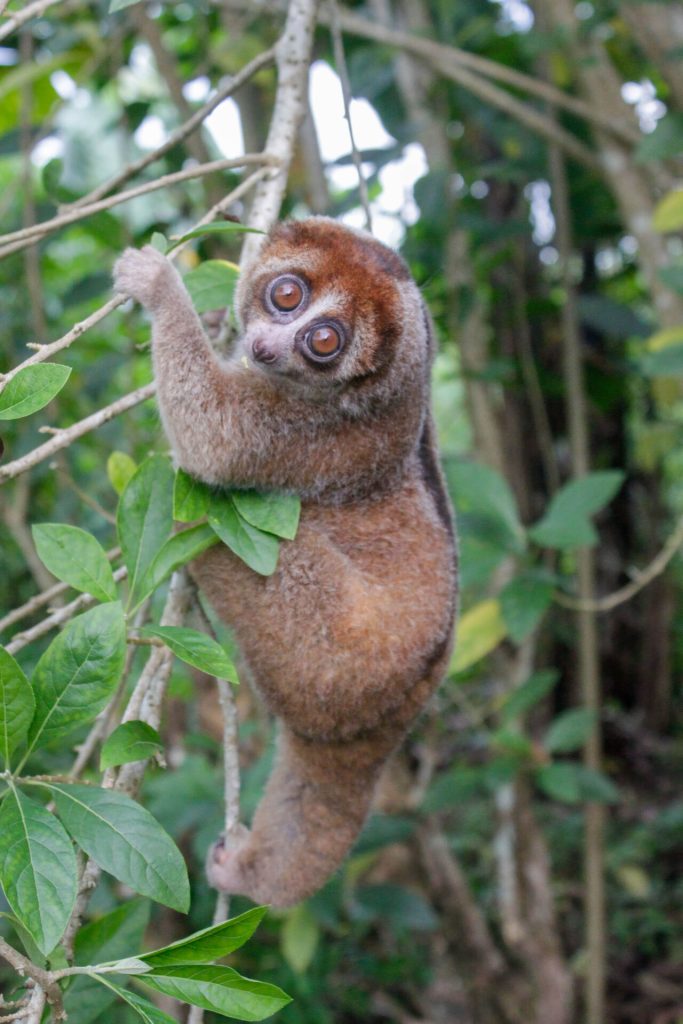
Despite the encouraging rediscovery, the Bangka slow loris faces a serious battle for survival. Its natural habitat has been shrinking as forests are cleared for human activities, particularly illegal tin mining and expanding oil palm plantations. According to research cited in the recent study, the island lost approximately 62% of its loris forest habitat between 2000 and 2012. This loss is especially concerning for a primate that depends on trees for shelter, movement and access to food. As forests become fragmented, slow lorises are increasingly pushed toward human settlements, roads and agricultural areas. This creates additional dangers, including electrocution from power lines, vehicle collisions, attacks by domestic dogs and entanglement in fences. The species is also vulnerable to the illegal pet trade, which places further pressure on already threatened populations. Although the rescue center has helped individual animals recover, rescuing them cannot compensate for the continued destruction of their natural environment. Protecting the remaining forest fragments is essential if the Bangka slow loris is to have a realistic chance of surviving in the long term.
86 Rescued Slow Lorises Have Been Released at Seven Forest Sites
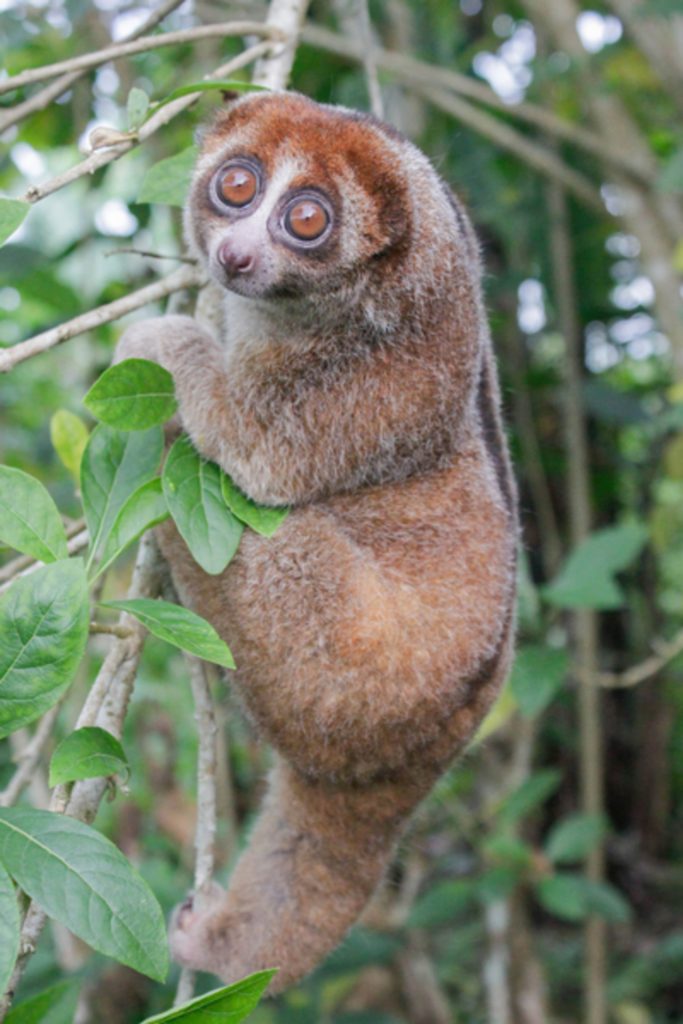
Getting an injured slow loris back into the wild requires more than simply treating its wounds. The animal must recover sufficiently to survive independently, and conservationists need to identify a suitable habitat for its return. Of the more than 90 Bangka slow lorises rescued between 2015 and 2025, 86 recovered and were released at seven locations across the island. The Alobi Wildlife Rescue Center selected these sites carefully, prioritizing larger remaining forest fragments that offered suitable living conditions and some level of legal or practical protection. These releases represent an important part of the organization’s conservation work, particularly because many rescued animals had experienced injuries linked to human activity. However, successful rehabilitation and release do not automatically guarantee long-term survival. Researchers still need to monitor released individuals to understand how well they adapt, whether they find sufficient food and shelter, and whether they can avoid further contact with human-related hazards. The study therefore recommends continued monitored releases, population surveys, genetic studies and potentially a conservation breeding program. Protecting the forests where these animals return will be just as important as the rescue work itself.