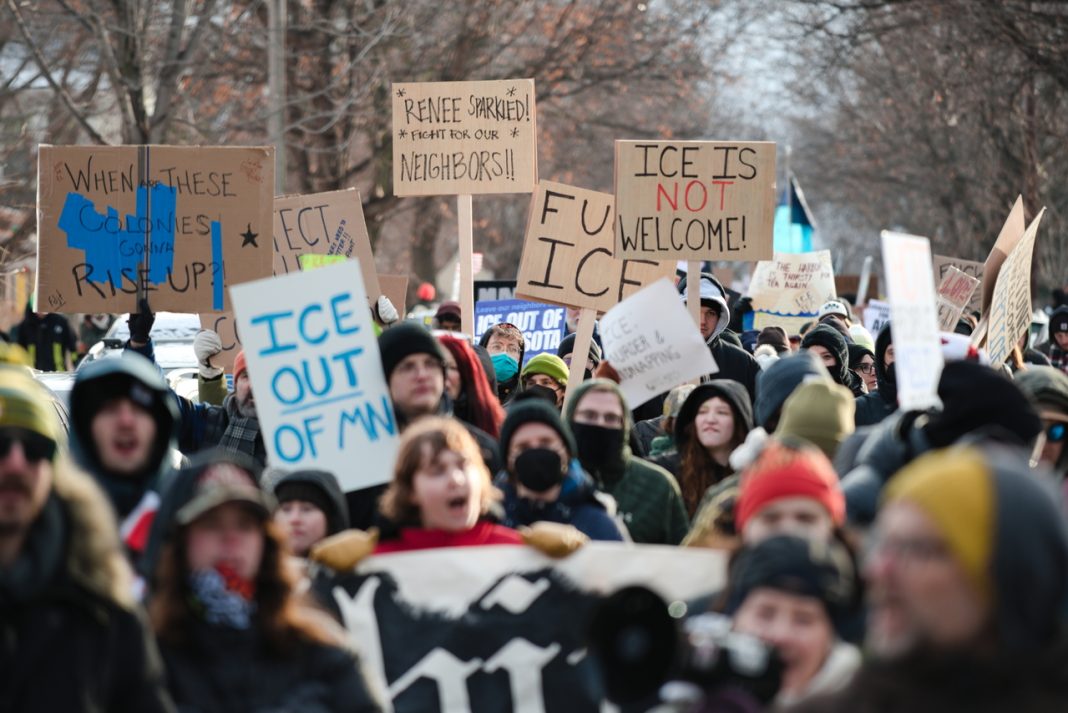

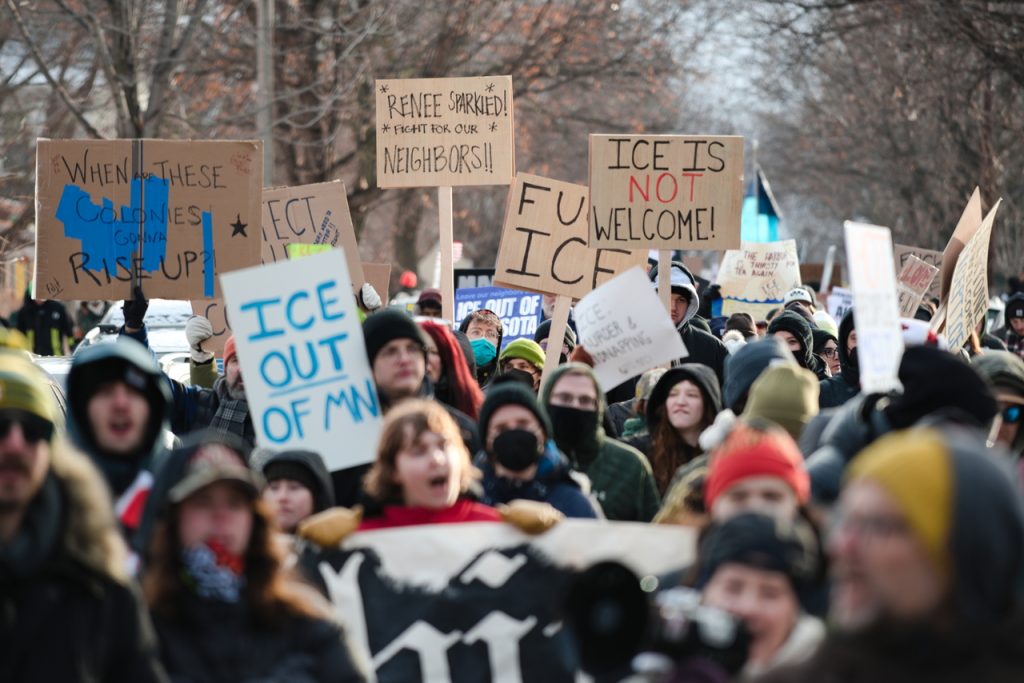
Hundreds of Minnesota businesses made an unprecedented choice this month: they shut their doors and joined a statewide protest against the surge of federal immigration enforcement. What began as community outrage over aggressive federal actions, including a controversial ICE operation and the killing of a local woman by an ICE agent, quickly expanded into what organizers called a Day of Truth and Freedom. Business owners, labor unions, faith leaders, and everyday residents called on Minnesotans to halt normal life, no work, no school, no shopping, to spotlight their opposition to federal tactics they say harm families, disrupt communities, and undermine public safety.
A Statewide Business Walkout
What began as individual expressions of concern among Minnesota business owners quickly turned into something far larger than anticipated when hundreds of shops, cafes, bars, and other commercial establishments across the state announced plans to close in protest of federal immigration enforcement activity. The closures were part of a coordinated action on January 23 called the Day of Truth and Freedom or “ICE Out of Minnesota,” where organizers called for what they described as an economic blackout under the slogan “no work, no school, no shopping.” The protest was designed to use the collective economic power of businesses, workers, and residents to signal broad opposition to the surge of Immigration and Customs Enforcement agents deployed in the Twin Cities area. Many businesses joined not only by closing their doors but also by offering mutual aid, serving as resource hubs, or donating proceeds to support those directly affected by immigration enforcement.
What made this walkout notable was the diversity of business involvement. From small coffee shops like Cafe Steam in Rochester to record stores, breweries, toy shops, and neighborhood cafes in Minneapolis and Saint Paul, closures reflected both solidarity with immigrant communities and shared frustration with how enforcement has affected commerce and customer activity. Some business owners cited team discussions and collective decisions with staff as the motivation for joining the strike, emphasizing community over profit. Others pointed to direct impacts from fear and reduced foot traffic as reasons to close voluntarily. By positioning themselves as part of a broader social movement instead of operating in isolation, these businesses helped amplify a public show of economic and civic resistance to federal policy.
The Flashpoint That Sparked Action
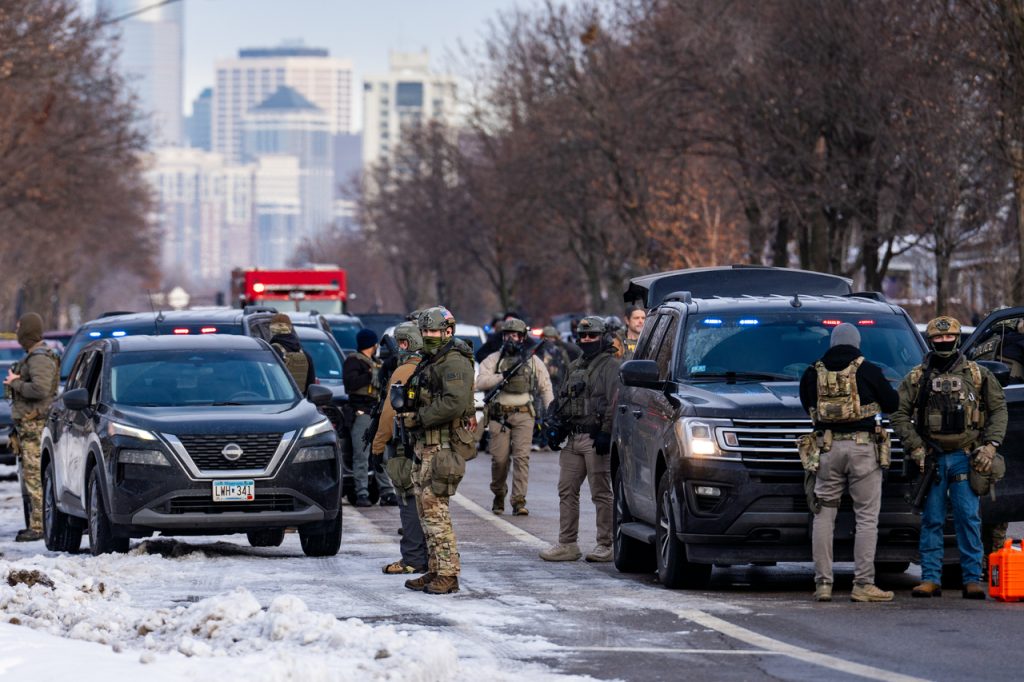
The business backlash did not emerge out of nowhere. It grew out of intense public reaction to Operation Metro Surge, a mass federal immigration enforcement deployment involving thousands of ICE agents across Minnesota. The surge followed a series of controversial enforcement actions, including the fatal shooting of 37-year-old Minnesota resident Renée Nicole Good by an ICE agent earlier in January, which became a flashpoint in local discourse. Protests had already been happening daily over these events, with tens of thousands taking to the streets in Minneapolis and Saint Paul demanding accountability and changes to federal immigration practices. These tensions laid the groundwork for broader community and business pushback.
The economic strike was framed by organizers not only as a rejection of local enforcement tactics but also as a denunciation of perceived racial profiling, excessive force, and the disruption of daily life in immigrant communities. Labor unions, faith leaders, and community groups argued that the presence of federal agents and the aggressive nature of their operations were creating fear, discouraging people from going to work or patronizing local businesses, and feeding a climate of instability. This sense that life itself was being upended, rather than isolated incidents of enforcement, contributed to the urgency behind calls for wide-ranging protest action that drew in business owners and workers alike.
Economic Shockwaves Across Minnesota
Closing doors and encouraging a general strike had immediate economic effects throughout Minnesota. Small businesses in particular were already feeling pressure from declining customer traffic amid heightened ICE activity, which forced some establishments to reduce hours or shutter temporarily. Fear among workers and patrons alike meant fewer people venturing out, which translated into lower sales and very real financial strain for retailers, restaurants, and service providers throughout affected neighborhoods. Independent owners noted that even those not participating in the strike were struggling, as community unease and protests curbed everyday commerce.
At the same time, operators in Minnesota’s $350 billion regional economy worried that ongoing unrest and reduced economic activity would have long-lasting impacts. Beyond immediate revenue losses, employers faced challenges maintaining staffing levels as some employees hesitated to come to work due to safety fears, and others chose to participate in the strike. This broader downturn in consumer spending and workforce participation underscored how a highly charged political and enforcement climate can ripple through the economy, affecting not just immigrant-owned businesses but the wider commercial ecosystem.
A Coalition Beyond Commerce

The business protest did not stand alone. It was part of a coalition that included labor unions, faith organizations, immigrant advocacy groups, and grassroots community movements. Major unions such as the Minneapolis Federation of Educators, SEIU Local 26, and UNITE HERE Local 17 publicly endorsed the Day of Truth and Freedom action, lending organizational muscle and broadening participation beyond the private sector. Faith leaders played a central role as well, framing the economic strike as a moral response to perceived injustice and urging not just business closures, but community solidarity, mutual support, and collective accountability.
This alliance was key to rapidly mobilizing both businesses and workers, creating a sense that the protest was more than an isolated demonstration but a collective stand for shared values. Organizers encouraged people not only to close businesses but also to participate in marches, interfaith services, and vigils. The combined legal, moral, and economic messaging helped bridge the divide between different constituencies, from small business owners to union members, clergy, activists, and everyday residents. In doing so, the coalition turned economic action into a broader social movement with implications beyond the immediate conflict.
What Comes Next After the Protests
Looking forward, the outcomes of Minnesota’s business-led protests remain uncertain but consequential. Politically, the strike added pressure on local and national leaders to address both immigration enforcement practices and community concerns. The public and economic resistance could influence discussions in state legislatures, municipal councils, and potentially at the federal level regarding oversight of federal enforcement actions and their effects on local jurisdictions. The visibility of the strike, one of the largest coordinated protest efforts in Minnesota in decades, has also raised questions about how business power can shape civic discourse and policy debates, particularly when aligned with labor and community movements.
The long-term effects on business and civic engagement are likely to extend beyond the immediate protest. Some business owners have signaled a shift toward more active participation in social and political issues, while others are exploring ways to support affected communities through mutual aid, resource sharing, and advocacy. Whether these forms of engagement will endure or evolve into new models of collective action remains to be seen, but the economic strike in Minnesota has undeniably underscored how interconnected commerce, community, and civic values have become in times of intense public debate.
References
- Minnesota Braces for Statewide Economic Strike Over ICE Enforcement – governing.com
- Enough Is Enough’: Hundreds of Minnesota Businesses Take Stand Against ICE – nytimes.com