A fatal confrontation in Minneapolis has reignited one of America’s oldest and most emotionally charged debates: what the Second Amendment truly protects in modern life. What began as a local tragedy quickly spilled into a national conversation about individual rights, federal authority, and the uneasy relationship between armed citizens and law enforcement. For some, the incident feels like a warning about how fragile constitutional protections can be in moments of chaos and fear. For others, it highlights the risks of blending firearms, protest, and high-pressure enforcement environments. Either way, Minneapolis has become a focal point for reexamining how gun rights, public safety, and government power collide in real-world situations.
How Minneapolis Sparked a National Gun Rights Debate
The killing of Alex Pretti, a Minneapolis nurse who was shot and killed by federal agents during a controversial enforcement action, has reopened a long-running national conversation about the rights guaranteed under the Second Amendment. Pretti was a legally armed U.S. citizen who, according to viral video and local reports, may have been filming the encounter when he was tackled and fatally shot. The incident has been seized upon by gun rights advocates as a stark reminder of what they see as the fragility of constitutional protections, especially in situations involving law enforcement and civilian arms.
For many across the country, this episode has become symbolic. It portrays, in their view, a moment where the right to bear arms intersects dangerously with federal authority acting in urban settings. The debate is not solely about guns; it’s about what gun ownership represents in the broader American political and cultural landscape. Pretti’s death has catalyzed discourse that extends beyond local circumstances into core questions about individual liberty, the role of government, and how far Second Amendment rights extend in modern times.
What the Second Amendment Actually Protects
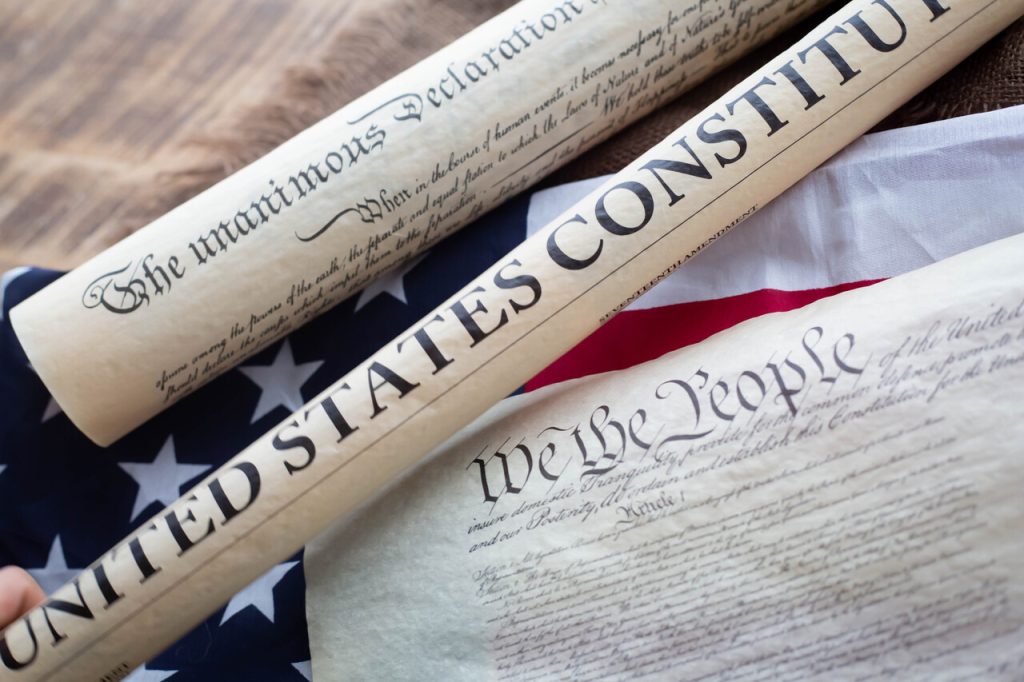
At the heart of this debate is a constitutional text familiar to most Americans but interpreted in deeply divergent ways. The Second Amendment states that a “well regulated Militia, being necessary to the security of a free State, the right of the people to keep and bear Arms shall not be infringed.” For much of U.S. history, this language was debated primarily in the context of militia service. Today, however, the Supreme Court has framed the amendment as protecting an individual right to firearm ownership for lawful purposes like self-defense, most notably in decisions such as District of Columbia v. Heller. That 2008 ruling affirmed that individuals have a right to possess firearms unconnected with militia service, particularly in the home.
The Constitution’s framers were influenced by 18th-century conflicts and a distrust of standing armies, embedding the right to bear arms as a counterbalance to potential government overreach. Many defenders of broad Second Amendment protections also note that historical context concerned both self-defense and resistance to tyranny. This idea continues to inform modern debates, where proponents argue that an armed populace serves as a deterrent against oppressive government actions, a concept that has resurfaced in the wake of events in Minneapolis and elsewhere.
Interpretations From Across the Political Spectrum
The Minneapolis shooting has drawn sharply contrasting interpretations from different political and civic actors. Pro-gun advocates and organizations such as the Gun Owners of America have underscored that the amendment protects Americans’ right to bear arms in public and even at protests, rights they argue should be respected and defended by all levels of government. Statements from these groups emphasize that lawful gun ownership must not be overshadowed by fears of law enforcement reactions or federal authority, asserting that armed citizens have the right to attend demonstrations or public events without being treated as threats.
Critics of this expansive view, including some public officials and commentators, caution that equating the presence of firearms with resistance to tyranny can be dangerous. They argue that conflating lawful gun ownership with armed confrontation risks escalating tensions and undermines efforts to keep public spaces safe. For these voices, the focus is not solely on constitutional rights but also on how they play out in complex social and law enforcement contexts. The Minneapolis incident has become a case study in how deeply divided interpretations of the Second Amendment have become when applied to contemporary, real-world conflicts.
Federal Law Enforcement and Armed Citizens
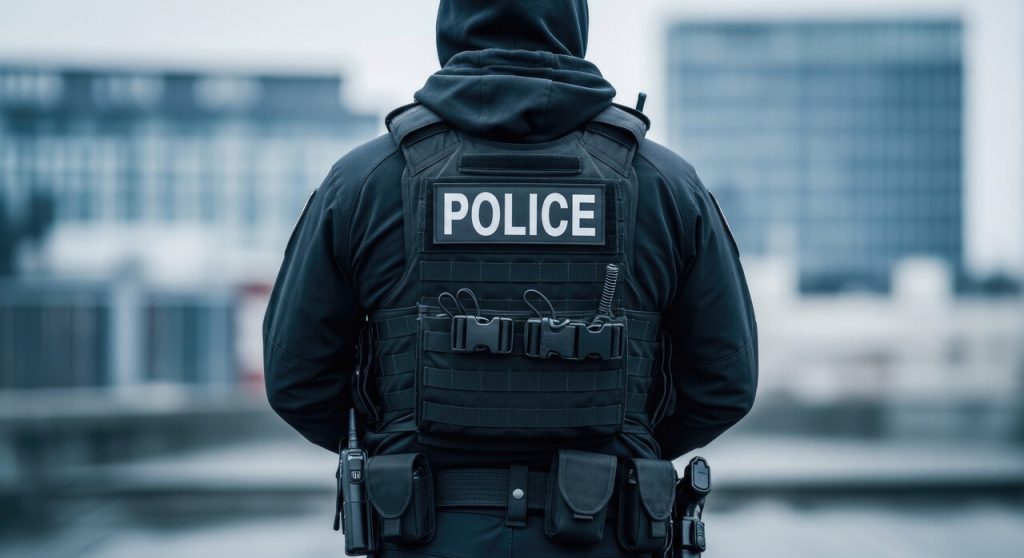
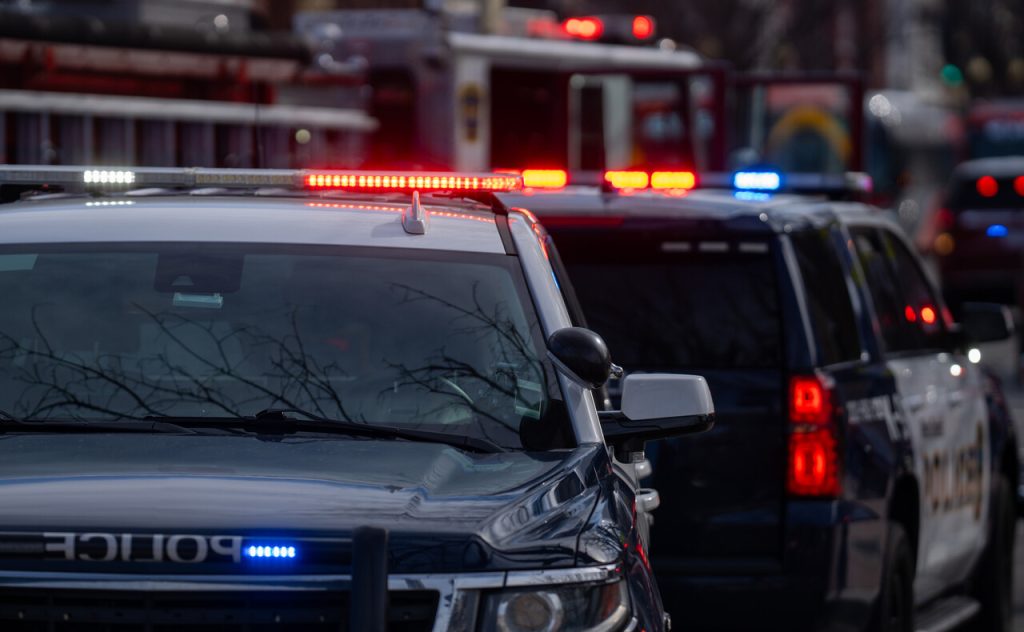
The convergence of federal enforcement actions and armed civilians in Minneapolis highlights a practical tension between government authority and individual rights. Federal agents operating in the city under an immigration enforcement initiative were involved in multiple shootings, leading to public outcry and intensified scrutiny. These events have been used by some advocates to argue that government forces can overstep their bounds, potentially justifying the need for an armed populace as a safeguard against perceived tyranny. In their view, an armed citizenry provides a check on government power, upholding the foundational rationale behind the Second Amendment.
Others argue that this interpretation risks misapplying historical principles to contemporary law enforcement actions. The amendment’s protection of gun ownership does not explicitly authorize armed resistance to government agents, and the legal framework governing use of force and public safety must be carefully balanced. The challenge lies in reconciling the right to bear arms with rules that govern how individuals interact with law enforcement, especially when tensions are high. The recent Minneapolis incidents have thrust these legal and philosophical questions into the spotlight, prompting debate over what rights should look like in practice when public order and civil liberties intersect.
What This Moment Means for Second Amendment Politics
The public reaction to the Minneapolis shooting reflects a broader shift in how Second Amendment issues are discussed in American politics. For some, it is a wake-up call, a reminder that rights written into the Constitution must be actively defended and interpreted in the modern era. This perspective drives advocacy for stronger legal protections around gun ownership and more vigilance against perceived encroachments by federal authorities. Advocates argue that recent events underscore the importance of community firearms rights, not just for self-defense but as part of the broader spectrum of civil liberties.
At the same time, others see the renewed focus on the Second Amendment as part of a polarized national conversation about safety, governance, and individual freedom. The debate over firearms rights now intersects with discussions about federal power, law enforcement accountability, and civic trust. How these conversations evolve may shape not just gun policy but broader questions about the balance between individual rights and public authority in the United States. The national dialogue unfolding in the wake of Minneapolis is emblematic of the complex and deeply held beliefs that surround the Second Amendment and its role in American life.
References
- Minneapolis Is a Second Amendment Wake-Up Call – theatlantic.com
- Second Minneapolis shooting heaps pressure on Trump – rthk.hk