
America’s Wild Turkeys Nearly Disappeared. Now They Roam 49 States

Wild turkeys are now a familiar sight across much of the United States, sometimes appearing in forests, fields and even suburban neighborhoods. But their presence today hides a remarkable conservation story. Once widespread across North America, these birds were pushed close to extinction by unregulated hunting and widespread habitat loss. By the 1930s, their numbers had fallen to roughly 200,000. Decades of conservation work, wildlife relocation and habitat protection helped turn the situation around. Today, wild turkeys roam 49 states, making their recovery one of America’s most striking wildlife success stories.

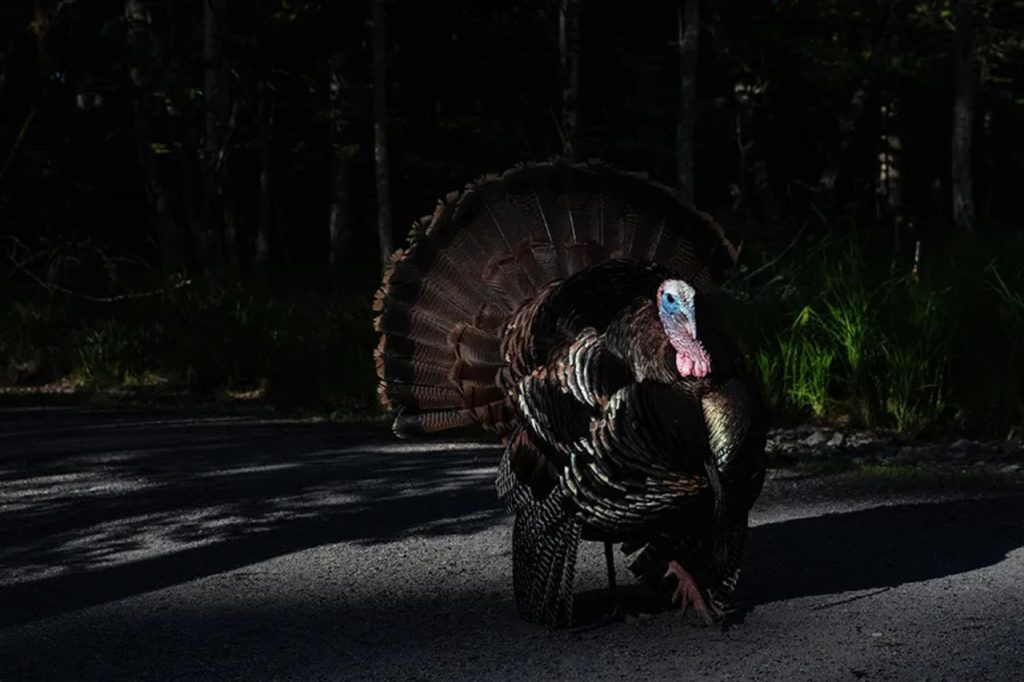
Unregulated Hunting and Deforestation Nearly Wiped Out Wild Turkeys
Unregulated Hunting and Deforestation Nearly Wiped Out Wild Turkeys
Joanna Lentini/smithsonian

For centuries, wild turkeys were a familiar sight across much of North America, but that changed dramatically as European settlement expanded. Unregulated hunting took a heavy toll on the birds, which were prized for their meat and feathers. At the same time, forests were cleared to make room for farms, roads and growing communities, destroying important nesting and feeding habitats. The combined pressure pushed wild turkey populations toward collapse. By the mid-1930s, the United States had lost nearly all of its estimated 10 million wild turkeys, leaving only about 200,000. The decline was so alarming that newspapers were reporting on the bird’s possible extinction decades before conservation efforts gained momentum.

America’s Wild Turkey Population Fell From 10 Million to Roughly 200,000
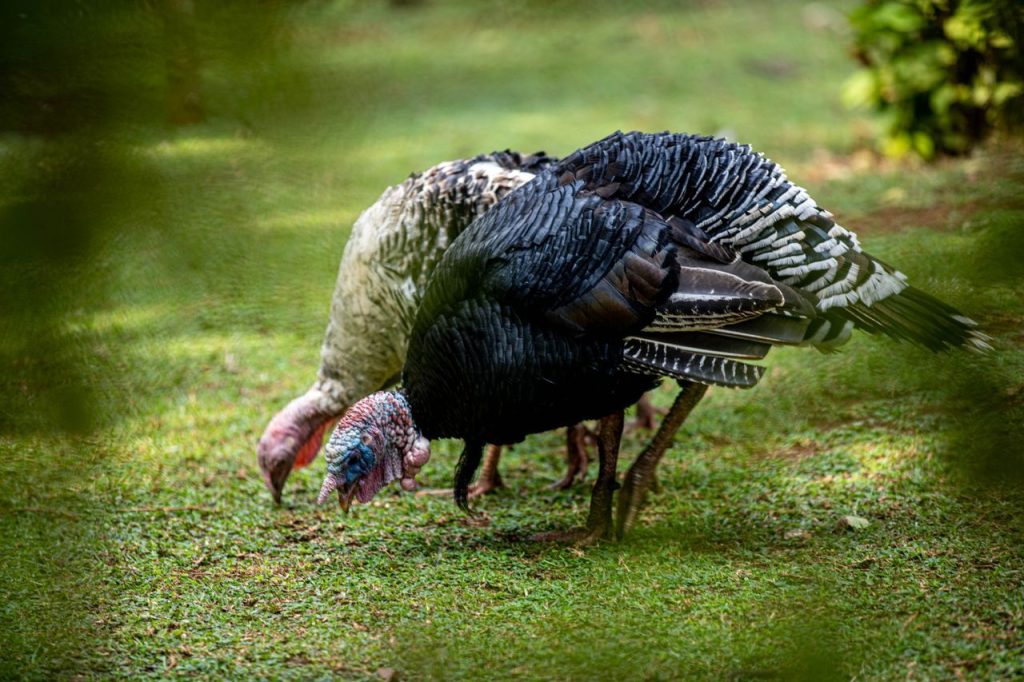
America’s Wild Turkey Population Fell From 10 Million to Roughly 200,000
Josiah Matthew/Pexels

The scale of the wild turkey’s decline is striking when compared with its former abundance. Before widespread settlement and intensive hunting, these birds occupied a broad range of habitats, from the desert Southwest to the forests of the Northeast. They were also important to Indigenous communities, which used turkeys for food and their feathers for practical and ceremonial purposes. But by the 1930s, decades of hunting pressure and habitat destruction had reduced the American population to roughly 200,000. In some states, wild turkeys had disappeared altogether. Their survival depended on more than simply restricting hunting. Conservationists needed to rebuild populations, protect suitable habitat and find a way to return birds to places where they had vanished.

Rocket Nets and Wildlife Relocation Helped Bring Wild Turkeys Back
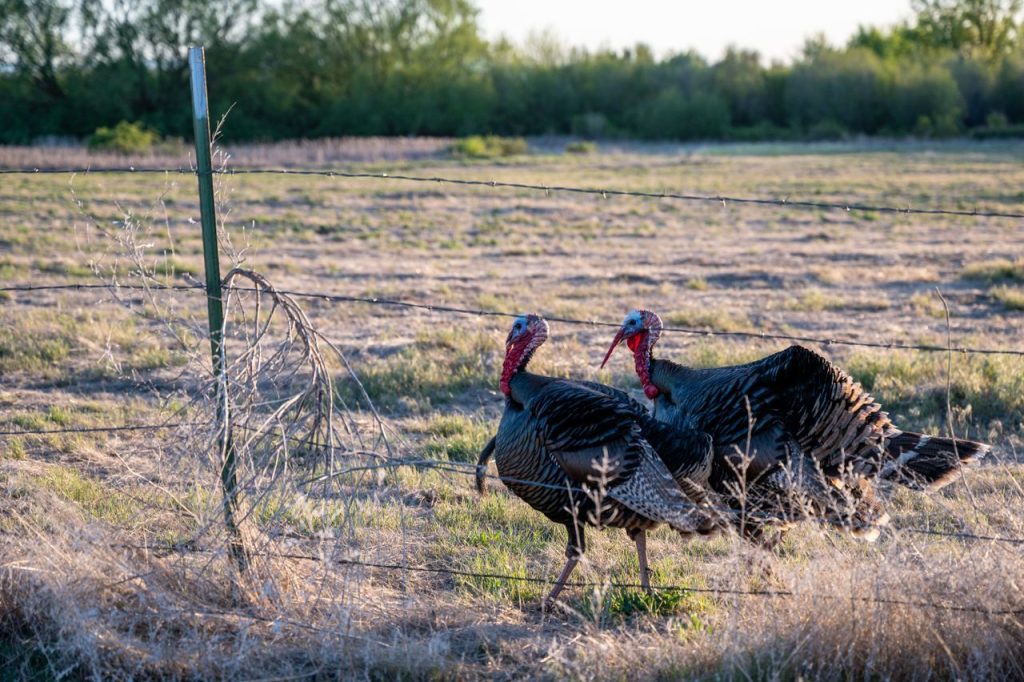
Rocket Nets and Wildlife Relocation Helped Bring Wild Turkeys Back
Brett Sayles/Pexels

One of the biggest breakthroughs in the turkey’s recovery came from a surprisingly practical invention: the rocket net. Wildlife biologists used these devices to capture entire flocks safely in areas where birds were plentiful. The captured turkeys could then be transported and released in suitable habitats where local populations had disappeared. This approach proved far more successful than earlier attempts to restore populations using farm-raised birds. Recovery also depended on cooperation among state wildlife agencies, conservation groups, hunters and private landowners who provided places for trapping and releases. Funding played an important role, too. The 1937 Pittman-Robertson Act established an excise tax on firearms and ammunition, later extended to archery equipment, to support wildlife restoration. That funding helped build the conservation system responsible for bringing wild turkeys back across the country.

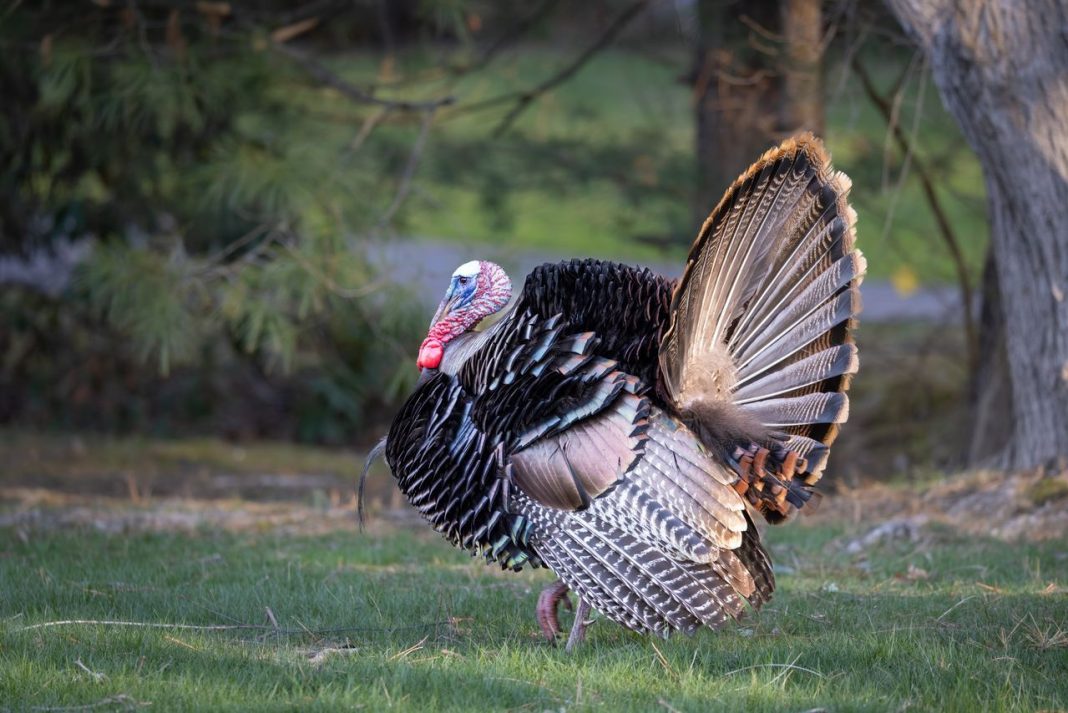
Wild Turkeys Now Roam 49 States, With Alaska the Only Exception
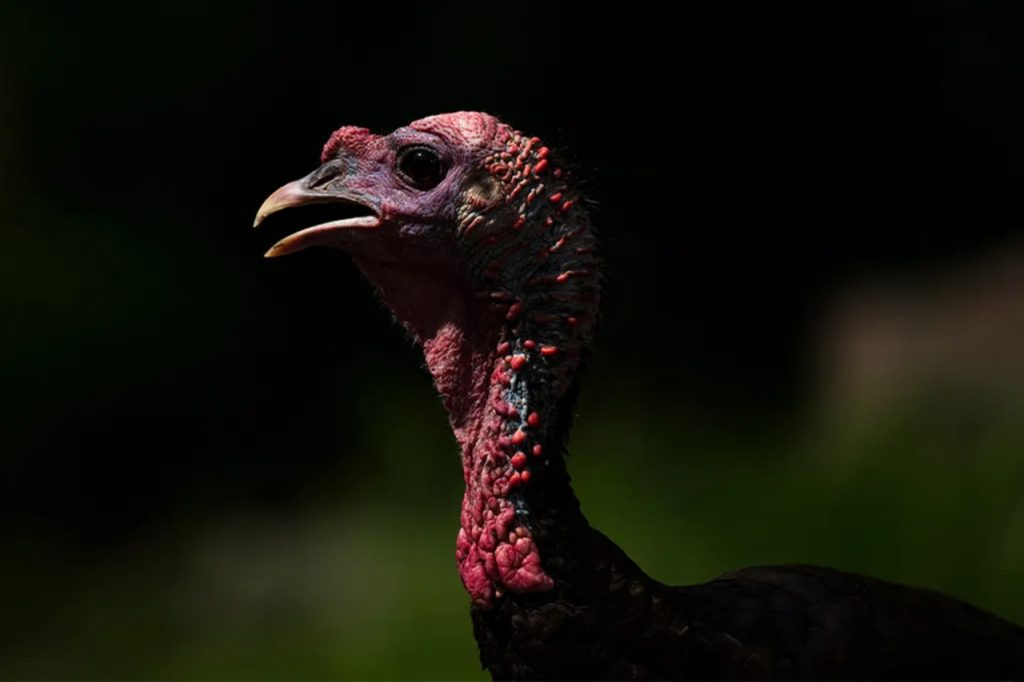
Wild Turkeys Now Roam 49 States, With Alaska the Only Exception
Joanna Lentini/smithsonian

The sight of wild turkeys wandering through suburban neighborhoods and busy parking lots is a remarkable contrast to their near-disappearance a century ago. After reaching a low point of roughly 200,000 birds in the 1930s, the population rebounded to an estimated six million or seven million by the late 20th century. Today, wild turkeys are found in 49 states, with Alaska the only state where they are absent, and they also inhabit the District of Columbia. Their return has not been limited to remote forests. Turkeys have adapted to a mix of wooded areas, fields, gardens and suburban spaces, sometimes appearing in places residents would never expect to see them. Their numbers have fluctuated in recent years, but their recovery remains a major example of what sustained habitat protection, wildlife management and cooperation can accomplish.


Logan Avery
Logan Avery
Logan Avery serves as Editor in Chief of Minneapolis Bulletin, overseeing the publication’s editorial standards and content strategy. He works closely with contributors and writers to ensure coverage remains accurate, engaging, and relevant to readers. His approach emphasizes clear storytelling, thoughtful reporting, and a strong commitment to quality journalism. Through his leadership, the Minneapolis Bulletin aims to deliver timely stories that inform and connect local communities.

Hot this week

Four New Camper Cabins Are Coming to Minnesota’s Popular Split Rock Lighthouse State Park

Minnesota is adding four new camper cabins at Split Rock Lighthouse State Park, with a target opening of June 2027. The $1.4 million project is meant to expand year-round overnight stays at one of the state's busiest North Shore destinations.

A New Arts Hub on Minnesota’s White Earth Reservation Is Giving Native Artists Room to Work

A new arts initiative in Mahnomen is giving Native artists on the White Earth Reservation something many rural communities lack: dedicated room to create, connect and build careers. The effort is already adding studios, public art and long-term plans for residencies and housing.

Minneapolis’ Indoor PorchFest Brings 24 Local Bands to One Building This Saturday

Spend Saturday evening moving between five stages at Meraki, where 24 acts bring folk, jazz, rock and more to Indoor PorchFest. The event also features food, local vendors and a free art station.

Smithsonian’s New Photography Exhibition Features More Than 100 Portraits of Famous Americans

See portraits of Abraham Lincoln, Ida B. Wells-Barnett, Lena Horne and other notable Americans in the National Portrait Gallery’s exhibition tracing photography from early metal-plate images to digital prints.

A Free Romanian Film Festival Returns to St. Paul With Three Days of Movies

From Andrei Ujică’s TWST (Things We Said Today) to Andreea Cristina Borțun’s A River’s Gaze, the festival’s four-film program offers different views of Romanian life. Catch the free screenings at Landmark Center through November 15.

Topics

Four New Camper Cabins Are Coming to Minnesota’s Popular Split Rock Lighthouse State Park

Minnesota is adding four new camper cabins at Split Rock Lighthouse State Park, with a target opening of June 2027. The $1.4 million project is meant to expand year-round overnight stays at one of the state's busiest North Shore destinations.

A New Arts Hub on Minnesota’s White Earth Reservation Is Giving Native Artists Room to Work

A new arts initiative in Mahnomen is giving Native artists on the White Earth Reservation something many rural communities lack: dedicated room to create, connect and build careers. The effort is already adding studios, public art and long-term plans for residencies and housing.

Minneapolis’ Indoor PorchFest Brings 24 Local Bands to One Building This Saturday

Spend Saturday evening moving between five stages at Meraki, where 24 acts bring folk, jazz, rock and more to Indoor PorchFest. The event also features food, local vendors and a free art station.

Smithsonian’s New Photography Exhibition Features More Than 100 Portraits of Famous Americans

See portraits of Abraham Lincoln, Ida B. Wells-Barnett, Lena Horne and other notable Americans in the National Portrait Gallery’s exhibition tracing photography from early metal-plate images to digital prints.

A Free Romanian Film Festival Returns to St. Paul With Three Days of Movies

From Andrei Ujică’s TWST (Things We Said Today) to Andreea Cristina Borțun’s A River’s Gaze, the festival’s four-film program offers different views of Romanian life. Catch the free screenings at Landmark Center through November 15.

University of Minnesota Sets Startup Record With 27 New Companies in 2026

The University of Minnesota launched a record 27 startups in fiscal 2026, underscoring how campus research is turning into real companies, jobs, and products. The milestone also reinforces the university’s standing as one of the top public engines for startup creation in the country.

A New Minneapolis Museum Project Is Turning Plant Science Into Art

The Bakken Museum in Minneapolis is showcasing Plant Data: A Record of Living Systems, a new project by artist Emily Victory that transforms real scientific observation into visual art. Built with University of Minnesota researchers, the exhibition makes plant science feel immediate, human, and surprisingly beautiful.

Saint Paul Chamber Orchestra Is Premiering a New Fairytale Written for the Double Bass

The Saint Paul Chamber Orchestra is unveiling Jon Deak's Under a Spell, a new double bass concerto built like a fairytale. Led by principal bassist Zachary Cohen and narrator Bill Gordh, the premiere puts one of the orchestra's deepest voices at center stage.
spot_img

Related Articles

Popular Categories

spot_imgspot_img