
A sudden federal decision to suspend hundreds of millions of dollars in Medicaid payments has placed Minnesota at the center of a high-stakes political and policy battle. Framed by Washington as part of a sweeping “war on fraud,” the move is intended to pressure the state into tightening oversight of its health programs. But for Minnesota officials, health providers, and the residents who depend on Medicaid coverage, the announcement carries immediate financial and human consequences. At issue is not just program integrity, but how enforcement actions ripple through real communities.
Minnesota Faces Major Medicaid Funding Freeze Amid ‘War on Fraud’
In a move that startled state officials and health advocates, the federal government announced it would suspend hundreds of millions of dollars in Medicaid reimbursements to Minnesota in what it described as part of an intensified effort to crack down on fraud in public benefit programs. The action comes as part of what the Trump administration and its allies, including Ohio Senator J.D. Vance, are calling a “war on fraud,” a campaign aimed at rooting out improper payments across federal and state social safety net systems. While officials in Washington framed the decision as fiscal responsibility and enforcement of long-standing standards, the ramifications for Minnesota are far-reaching, involving not just state finances but public health infrastructure and access to care.
This is not a routine administrative pause. The funds in question, totaling approximately $259 million, represent a significant portion of the state’s expected Medicaid reimbursements over the coming months. Medicaid is a joint federal-state program that provides health coverage to low-income adults, children, people with disabilities, and pregnant individuals. A sudden interruption in federal reimbursements can strain Minnesota’s budget, forcing lawmakers and administrators to consider tough choices about funding priorities or short-term bridge payments. For residents who rely on Medicaid for essential services, the announcement raised immediate concerns about continuity of care, provider payments, and the long-term stability of the state health system.
What Vance Announced at the Podium
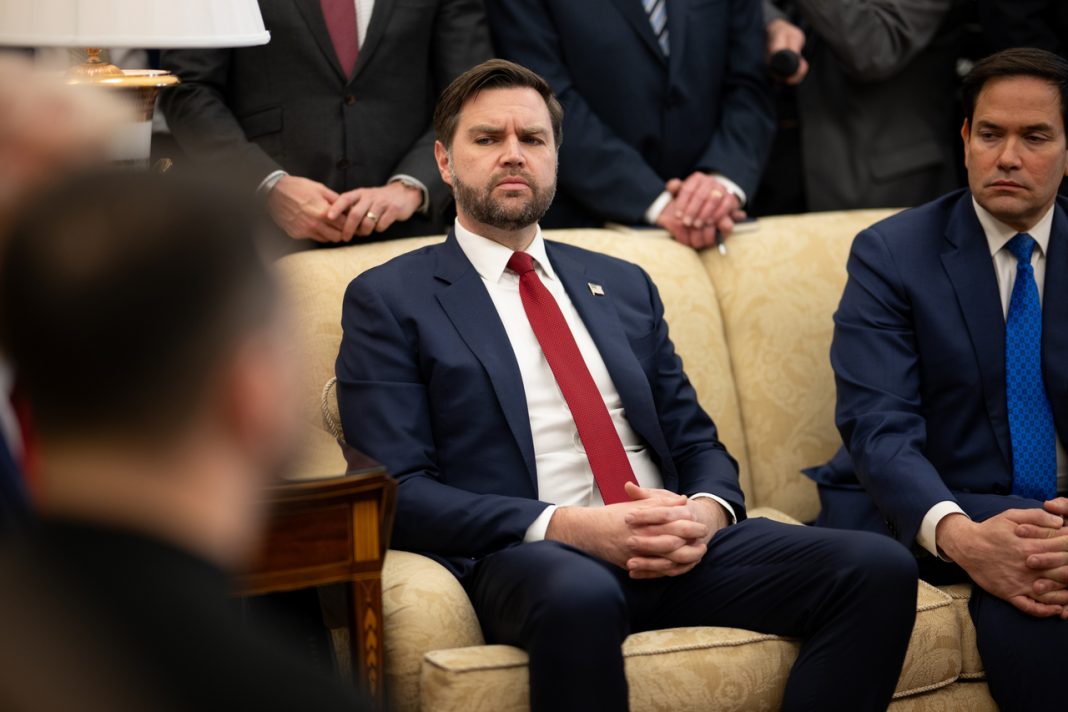
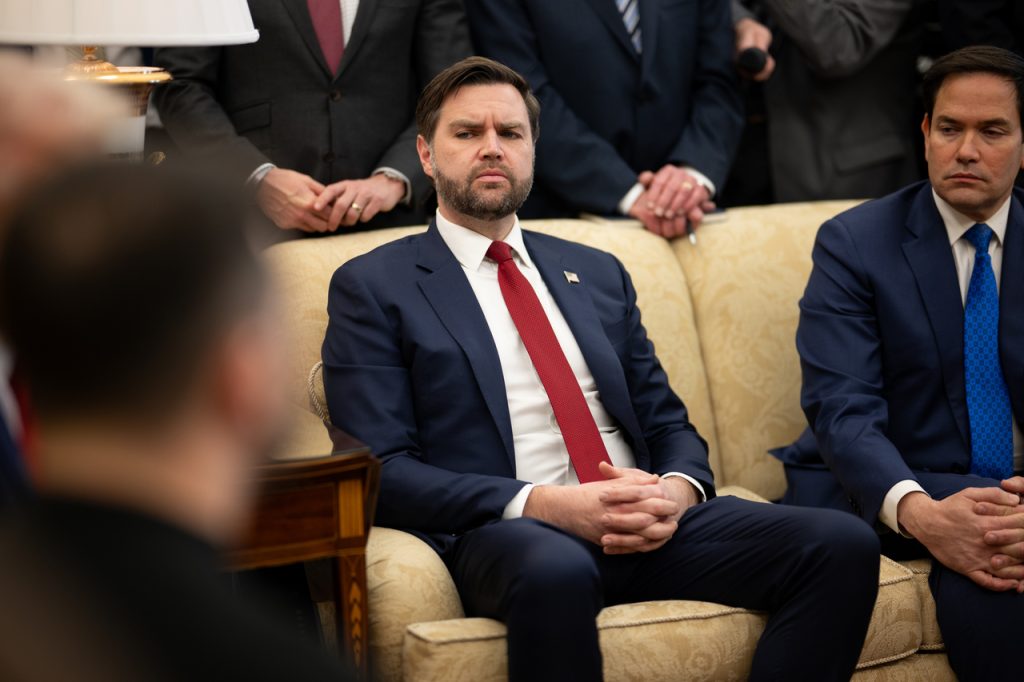
Senator J.D. Vance, alongside senior White House officials, held a public briefing to explain the decision to withhold Medicaid funds. At the center of his remarks was the assertion that Minnesota had failed to adequately address patterns of fraud and administrative shortcomings in its health care programs. Vance characterized the freeze as a necessary enforcement tool to compel corrective action and accountability, invoking language about safeguarding taxpayer dollars and protecting the integrity of federal programs. The tone reflected broader themes the administration has emphasized in recent months about fraudulent benefit claims and government waste.
However, the announcement also came with a clear set of conditions. Federal officials outlined steps Minnesota would need to take to secure the release of suspended funds, essentially demanding a series of administrative overhauls and reporting standards that the state must meet within a specific timeframe. These requirements range from enhanced auditing procedures to stricter verification processes for Medicaid eligibility and claims. The message from Washington was firm: address these issues promptly, or risk a prolonged suspension. This conditionality sets up a tense negotiation between federal and state leaders, with the clock already ticking on timelines that affect hundreds of thousands of Minnesotans.
Allegations Behind the Funding Decision

The decision to halt payments did not arise out of an entirely new investigation, but builds on concerns that have simmered for years about improper payments in Medicaid and related health care programs. Both federal auditors and watchdog groups periodically release reports indicating that certain states have high rates of erroneous or questionable claims, whether due to administrative error, insufficient documentation, or outright fraud. In Minnesota’s case, the federal government pointed to patterns it believes indicate systemic weaknesses in oversight and claims management.
Critics of the freeze say the term “fraud” has been applied loosely in public statements, muddying the line between deliberate deception and bureaucratic inefficiency. Medicaid programs are notoriously complex, involving multiple layers of eligibility verification, provider credentials, and billing codes that can trip up even well-staffed state agencies. Where audits find errors, the underlying causes are often traced to outdated systems, staffing shortages, or conflicting guidance rather than intentional malfeasance. Understanding that distinction is key to Minnesota’s defense, because the political and legal implications hinge on whether the issues are technical compliance problems or widespread fraudulent activity.
Minnesota’s Response and Pushback
State officials were quick to respond to the funding freeze with a combination of frustration and resolve. Governor and health agency leaders issued statements rejecting the characterization that Minnesota’s health care programs are riddled with fraud. They emphasized that the state cooperates with federal audits, has systems in place to correct errors quickly, and remains committed to safeguarding program integrity without jeopardizing care for vulnerable residents. For Minnesota policymakers, the freeze feels like an overreach, especially given the potential harm to residents who depend on Medicaid for essential medical services.
Leaders also framed the federal move in broader political terms, suggesting that enforcement actions have been influenced by national policy battles rather than an objective assessment of Minnesota’s administrative procedures. That narrative resonates with some elected officials who see the timing and scale of the freeze as punitive rather than corrective. Lawmakers at the state level have signaled intentions to challenge the suspension in court if necessary, and to push for negotiations that protect funding while addressing federal concerns. There’s clear determination in Minnesota’s response: while officials accept the need for accountability, they reject a heavy-handed approach that risks destabilizing health care delivery.
Potential Impact on Healthcare and Services

The practical effect of withholding federal Medicaid reimbursements is significant. Providers who serve Medicaid patients, hospitals, clinics, mental health centers, and long-term care facilities, rely on timely payments to cover operational costs. A prolonged interruption in federal funding can create cash flow problems, potentially leading to delayed services, staffing cutbacks, or even closures in underserved areas. This is particularly acute in rural parts of Minnesota, where health care options are already limited and Medicaid participation rates are high.
Patients, too, may feel the impact beyond abstract policy arguments. Medicaid covers a wide range of services, from preventive care to chronic disease management, prescription drugs, and behavioral health support. Interruptions in funding risk creating administrative slowdowns or uncertainty about provider participation. For individuals and families on tight budgets, any disruption in access could mean postponing care, skipping medication refills, or seeking services on a more costly emergency basis. Even if the freeze is lifted within weeks, the downstream effects could linger, with providers adjusting billing practices and patients reassessing where they seek care.
National Context and the Broader ‘War on Fraud’
This isn’t the first time the federal government has taken a hard line on benefit program integrity, nor is it likely to be the last. The administration’s broader “war on fraud” is an effort to tighten oversight across multiple federal programs, including unemployment insurance, food assistance, and health care spending. Supporters argue that reducing improper payments frees up taxpayer dollars for essential services and prevents waste. They point to audits showing billions in annual improper payments nationwide, a figure that includes both fraud and administrative errors.
But the approach has sparked debate among policy analysts and public health experts who warn that aggressive enforcement can have unintended consequences, especially when it intersects with critical public services. Withholding funds as leverage raises questions about proportionality and timing, especially when beneficiaries have little role in the administrative challenges that trigger enforcement. The Minnesota case could become a touchstone for how future federal oversight actions unfold, particularly if other states face similar scrutiny. As national discourse around fraud and benefit eligibility continues, the balance between accountability and access remains a central tension in public policy.