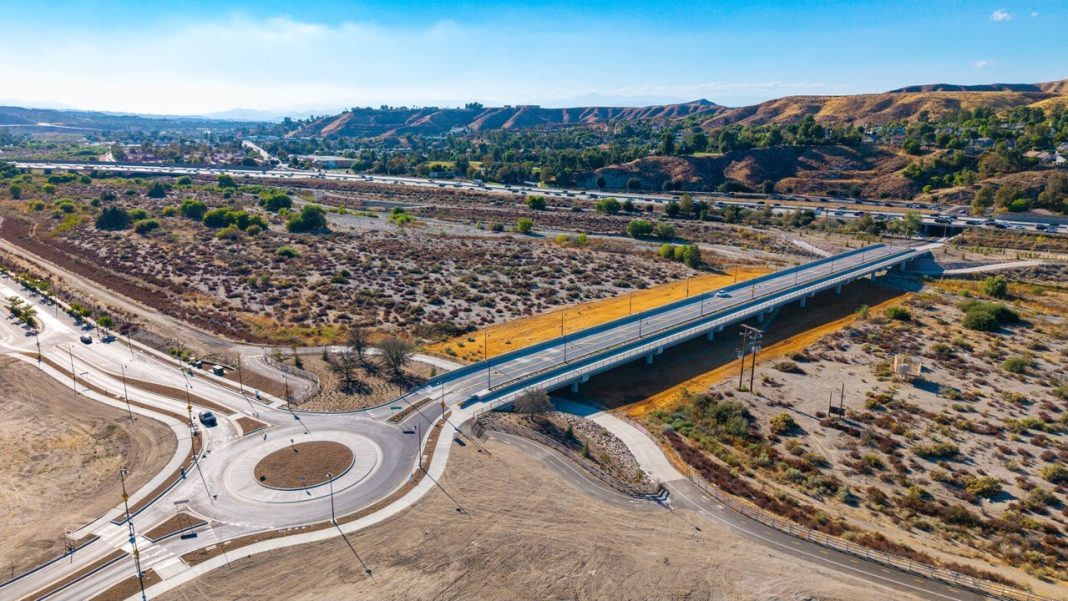

Santa Clarita has gained a major new connection with the opening of the Vista Canyon Bridge, a 780-foot crossing over the Santa Clara River that links Soledad Canyon Road with Mitchell Drive. The bridge is more than a new route for cars. It forms part of a wider transportation project that includes an extension of Vista Canyon Boulevard, a roundabout, bicycle facilities, pedestrian access and connections to the Vista Canyon Multimodal Transit Center. The project also adds another route for emergency response and evacuation while incorporating measures designed to protect the surrounding river environment and local wildlife.
The Bridge Creates a New Crossing Over the Santa Clara River
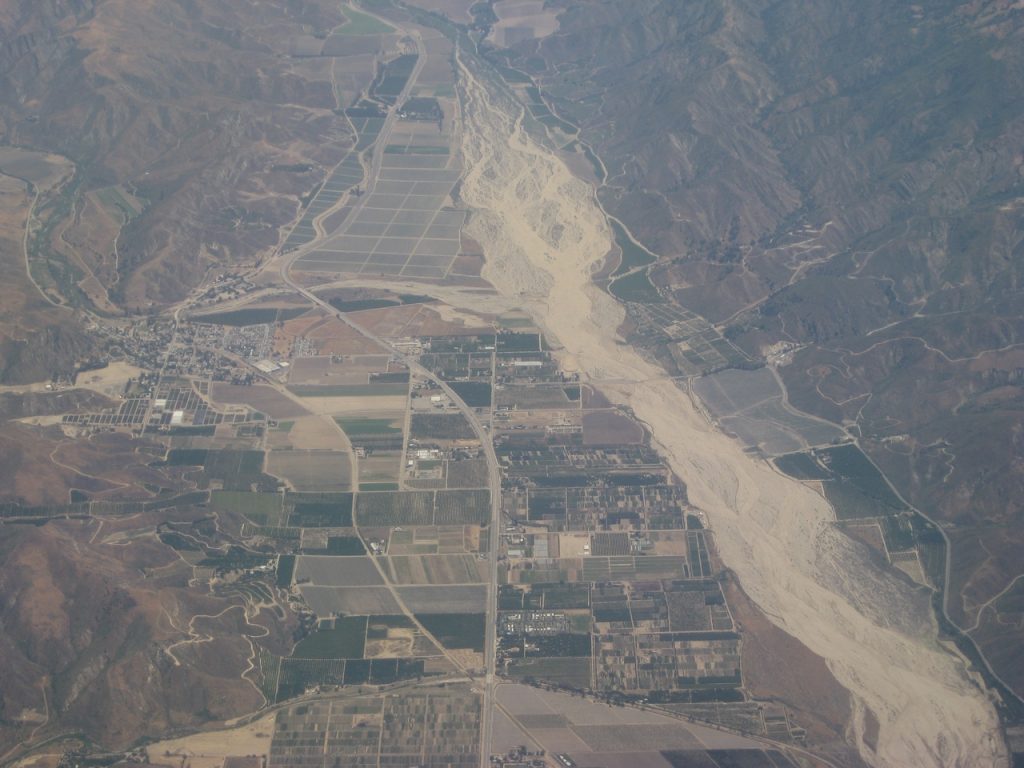
The Vista Canyon Bridge gives eastern Santa Clarita a connection that was previously missing. Stretching about 780 feet across the Santa Clara River, the new two-lane structure links Soledad Canyon Road with Mitchell Drive. It is designed to improve everyday circulation for drivers while also making it easier for pedestrians, cyclists and emergency responders to move between areas on either side of the river. The bridge is part of a broader effort to strengthen connections throughout the eastern portion of the city.
Vista Canyon Boulevard Ties the Project Together
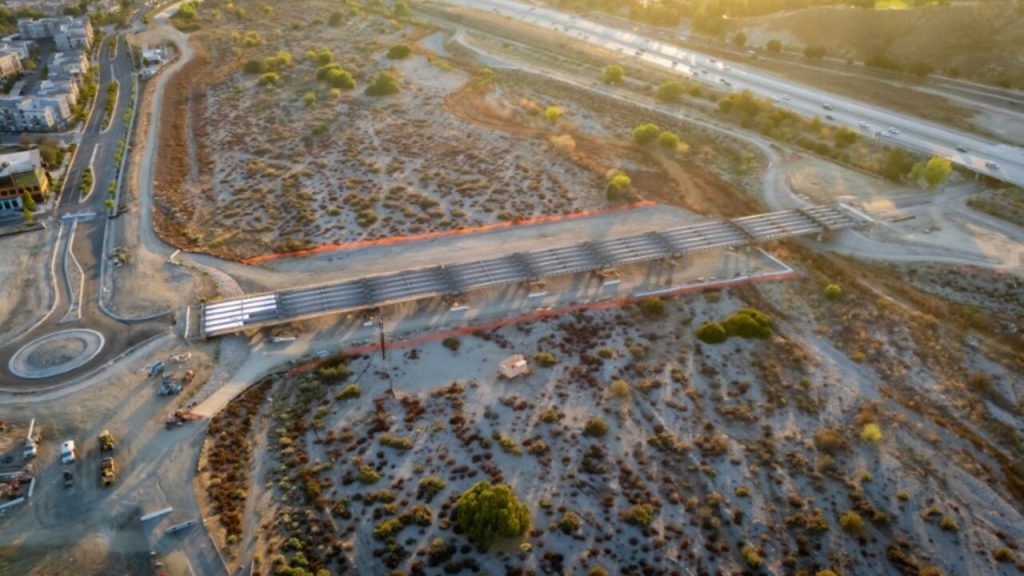
The bridge is only one piece of a larger transportation upgrade. The project extends Vista Canyon Boulevard and adds a new roundabout, creating direct access to the Vista Canyon Multimodal Transit Center and nearby neighborhoods. That connection is important because it brings the new bridge into the city’s wider transportation network instead of leaving it as an isolated crossing. The project was also identified as an important component of the Santa Clarita 2025 Strategic Plan, which focused in part on building stronger community connections.
The New Route Was Built for More Than Cars

A major feature of the finished bridge is the attention given to people traveling without a car. The structure includes a shared-use sidewalk and a Class I bike lane, while a separate bike trail beneath the bridge connects with Santa Clarita’s existing trail network. The bridge also includes highway safety lighting, concrete barriers and metal railings. One distinctive feature is a five-foot-wide raised landscaped planter, which the city identifies as the first bridge planter of its kind in Santa Clarita.
Emergency Access Gets a Major Boost

The new crossing also adds an important layer of emergency preparedness. Because the bridge provides another way across the Santa Clara River, it can serve as an alternative access and evacuation route for surrounding communities. A striped median provides space for emergency vehicles, while nearby roadway improvements include a new traffic signal at Soledad Canyon Road and Vista Canyon Boulevard and new and extended turn lanes. Together, these changes are intended to make the area easier to navigate during ordinary travel and when emergency access becomes especially important.
Wildlife Protection Was Built Into the Construction
Building a major bridge across the Santa Clara River required the city and its partners to account for the surrounding environment. Construction involved coordination with agencies including Caltrans, the California Department of Fish and Wildlife, Metro and the U.S. Army Corps of Engineers. Crews also had to respond to river conditions and the presence of the endangered Unarmored Threespine Stickleback fish, which led to changes in the locations of some drilled bridge piles. The finished structure also contains purpose-built bat houses beneath the bridge, providing additional places for local bats to roost.