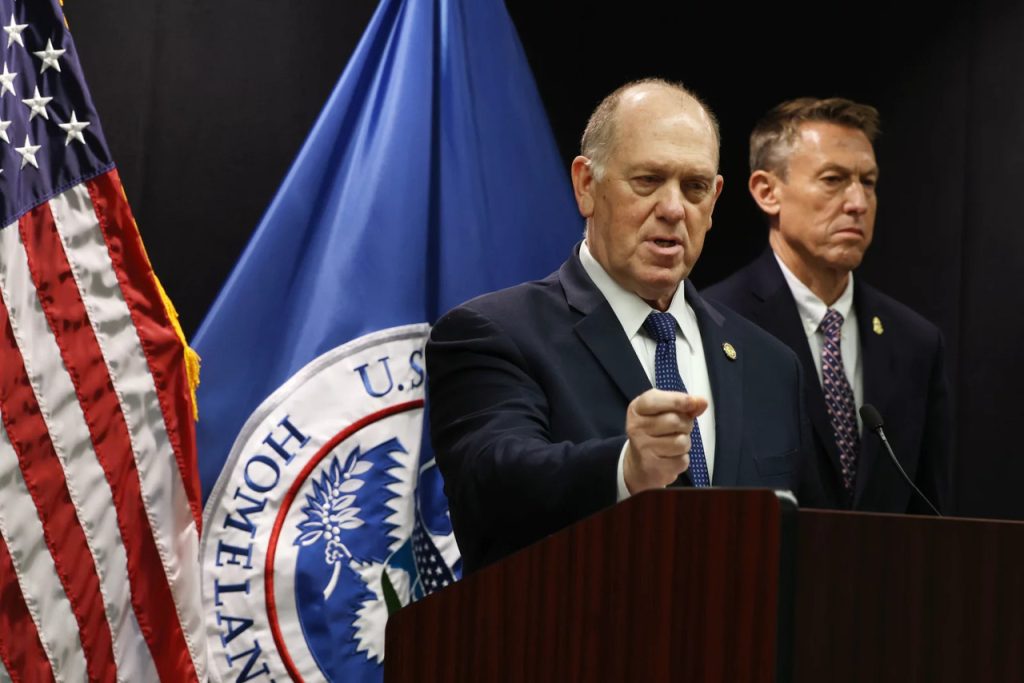
After months of heightened enforcement and a visible federal presence, Minnesota is seeing a notable shift in immigration policy on the ground. The Trump administration has ordered roughly 700 federal immigration agents out of the state, scaling back an operation that had drawn protests, lawsuits, and sharp criticism from local leaders. Led by border czar Tom Homan, the move signals a retreat from the large, highly visible deployments that reshaped daily life in parts of Minnesota. While enforcement isn’t ending, the drawdown reflects growing political pressure and a recognition that aggressive tactics carried real costs for schools, neighborhoods, and community trust.
How the Trump Administration Is Withdrawing Immigration Agents in Minnesota
For months, the presence of hundreds of federal immigration agents in Minnesota, many of them Border Patrol officers deployed as part of a wider interior enforcement initiative, shaped local politics, community relations, and public debate. Now, in a significant shift, the Trump administration is pulling back roughly 700 of those agents, a move that has surprised both supporters and critics of the earlier strategy. The reduction was ordered by Tom Homan, the administration’s border czar, signaling not a full departure from enforcement but a recalibration of how federal resources are deployed within the state. This decision reflects mounting pressure from local officials, legal challenges, and a tense public atmosphere that grew around aggressive enforcement actions last winter and early spring.
The withdrawal does not mean the federal government is abandoning enforcement entirely in Minnesota. Rather, it represents a strategic drawdown aimed at reducing the footprint of immigration agents in the interior, especially in urban areas where their presence became not only controversial but politically costly. The agents being pulled back were part of a surge designed to focus on “high-priority” immigration cases, people with serious criminal histories, but broad sweeps and high-profile arrests led to protests, legal pushback, and intense local scrutiny. In this context, the drawdown appears to be an attempt to reset relations while still maintaining national enforcement priorities. For residents and officials alike, the unfolding changes raise questions about enforcement efficacy, local impact, and what comes next.
What the Drawdown Announcement Means
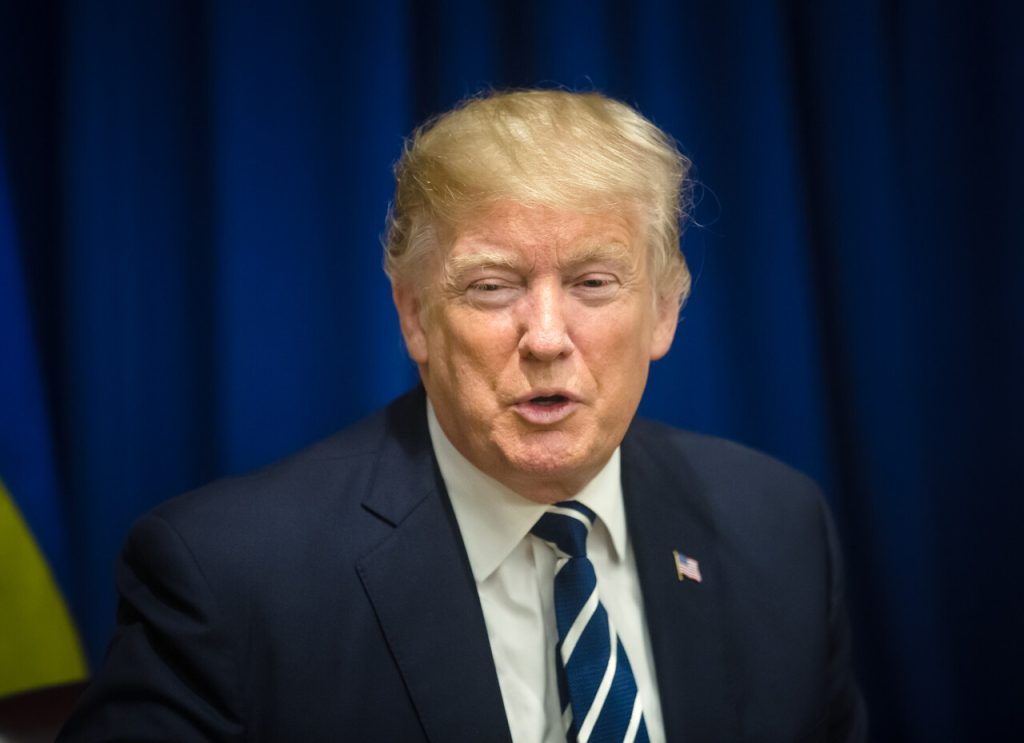
When the announcement came, the numbers were stark. Tom Homan said that approximately 700 immigration officers, many of them Border Patrol agents who had been operating in Minnesota for months, would be reassigned out of the state immediately. This figure represents a sizable chunk of the contingent that had been assembled under what the administration dubbed Operation Metro Surge, an expanded interior enforcement effort ostensibly focused on removing dangerous criminals and bolstering public safety. The suddenness of the drawdown took many community leaders off guard, even as they had been pushing for reduced federal presence.
Yet even with this reduction, the federal footprint remains significant. Immigration and Customs Enforcement (ICE), Customs and Border Protection (CBP), and related agencies will still maintain a presence in Minnesota, just not at the same scale. The remaining personnel are expected to focus on targeted enforcement of high-priority cases rather than broad, high-visibility operations that drew intense public attention. In practical terms, this means large raids, routine compliance checks, and aggressive street patrols are less likely to occur at the same frequency. The drawdown reflects a pivot toward more traditional investigations rather than a visible, large-scale law enforcement posture. For many residents and local officials, that shift is more than symbolic. It alters how everyday life and law enforcement intersect in communities across the state.
Why the Reduction Is Happening
Tom Homan, a veteran immigration official brought in to oversee interior enforcement strategy, framed the drawdown as a necessary adjustment rather than a retreat. According to his statements, federal agencies plan to reduce their presence while continuing to focus on individuals who pose documented threats to public safety. By narrowing the scope of enforcement, Homan suggested, the government can better allocate resources and avoid encroaching on the daily lives of ordinary residents. This messaging attempts to balance the need for enforcement with the reality that a heavy federal presence in urban areas creates friction and frustration among local populations.
Part of the justification for reducing agents also stems from efforts to improve cooperation with state and local law enforcement. Earlier tactics, which involved large numbers of federal officers working independently, strained relationships with city officials and sheriffs who had not been fully consulted. Minnesota leaders repeatedly called for a more collaborative approach that respects local priorities while still upholding immigration law. The drawdown, therefore, reflects not just a policy choice but a strategic response to criticism that federal enforcement was too broad and too disruptive. By focusing on confirmed criminal cases and reducing the overall number of agents, the administration appears to be repositioning its approach to avoid repeating the same conflicts.
The Context of a Controversial Enforcement Surge
To understand the significance of this pullback, it helps to look back at how things escalated. In late 2025 and early 2026, the Trump administration directed a wave of federal agents into interior states, including Minnesota, under a plan that framed interior immigration enforcement as a priority equal to border security. Thousands of agents were shifted to cities across the country to crack down on undocumented immigrants, especially those with criminal records. In Minneapolis and its suburbs, this operation quickly became highly visible and contentious. Large groups of agents carried out sweeps, arrests, and compliance checks in residential areas, often documented in widely shared videos that sparked public debate.
The presence of federal forces soon became a flashpoint in Minnesota. Residents reported heightened fear in immigrant communities, civil rights advocates raised alarms about due process and racial profiling, and local officials pushed back against unilateral actions that they said undermined community trust. A series of highly publicized encounters, including fatal shootings and highly visible enforcement actions, fueled widespread protests and drew national media attention. In that charged environment, what might have been a quieter policy implementation instead became a full-blown conflict over governmental authority, civil liberties, and community safety.
Reactions From Minnesota Leaders
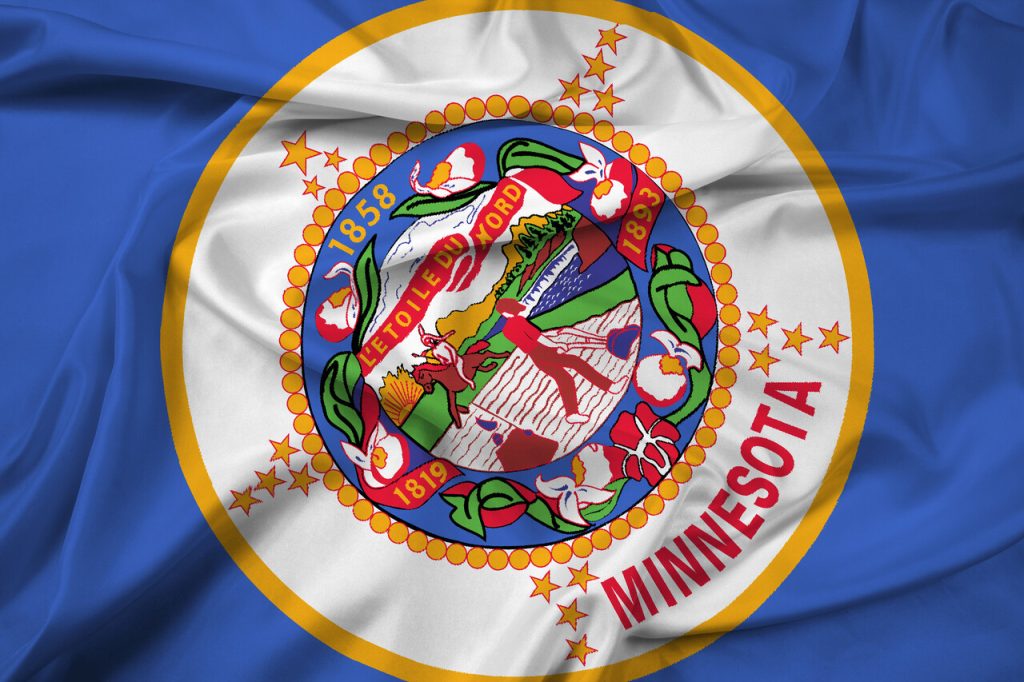
Minnesota’s political leadership greeted the announcement with mixed reactions. Some local officials welcomed the reduction as a step toward restoring normalcy in communities shaken by months of federal enforcement. They emphasized that residents, especially children and families with undocumented loved ones, felt safer and more secure with fewer agents conducting high-profile operations. For educators and community groups, the pullback represented a small but meaningful relief from an environment that had eroded trust and increased anxiety among students and families.
But not all responses were entirely positive or celebratory. Some Minnesota leaders argued that the drawdown didn’t go far enough. They pointed out that a remaining federal presence still looms large for residents who have felt targeted and unsettled over the past months. Legal advocacy groups called for clearer limits on where and how federal agents can operate, especially in sensitive locations like schools, hospitals, and places of worship. Meanwhile, political opponents of the administration seized on the announcement to criticize broader immigration policies, arguing that the unilateral deployment of agents in the first place was misguided and harmful. The result is a continuing debate over enforcement that goes beyond personnel numbers to touch on fundamental questions of trust, authority, and community autonomy.
What’s Next for Immigration Enforcement in Minnesota
Looking ahead, the drawdown sets the stage for an uncertain phase of enforcement policy in Minnesota. Federal officials have indicated that further reductions are possible if cooperation with local law enforcement improves and if the focus narrows strictly to individuals with serious criminal histories. However, there are no indications that federal immigration priorities are being abandoned outright. Instead, what’s unfolding is a recalibration that attempts, at least publicly, to balance national enforcement objectives with local sensitivities.
The broader policy implications extend beyond Minnesota. How the administration navigates the next chapters, particularly in other interior states where similar deployments occurred, could set precedents for how federal enforcement is executed in communities that resist aggressive tactics. It also raises questions about the legal frameworks governing such deployments, the role of consultation with local leaders, and how federal agencies define “high-priority” cases in ways that minimize community disruption. As enforcement priorities evolve, Minnesota’s experience may provide a blueprint, for better or worse, for how the federal government manages interior immigration operations in the years ahead.
References
- Trump administration pulling 700 immigration agents from Minnesota – Axios.com
- Trump’s border czar is pulling 700 immigration officers out of Minnesota immediately – apnews.com
- Border czar Tom Homan to immediately reduce federal agents in Minnesota by 700 – npr.org