
Día de los Muertos, or Day of the Dead, is a vibrant Mexican tradition that brings families together to honor loved ones who have passed away. Celebrated on November 1 and 2, the holiday blends remembrance with colorful decorations, traditional foods and meaningful family rituals. From carefully arranged ofrendas and fragrant marigolds to sweet pan de muerto and brightly decorated sugar skulls, each tradition carries its own significance. Although the celebration has gained recognition around the world, its deeper meaning lies in remembering the departed, sharing family stories and keeping cultural traditions alive across generations.
Ofrendas Bring Families Together to Remember Loved Ones
At the heart of Día de los Muertos is the ofrenda, a carefully arranged altar that honors deceased family members and keeps their memories close. Observed on November 1 and 2, the Mexican holiday brings families together to remember those who have passed away. Ofrendas commonly feature photographs, candles, flowers, religious symbols and personal belongings that reflect the lives of the people being remembered. Families may also place favorite foods and drinks on the altar, creating a welcoming space for the spirits they believe return to visit during the celebration. Although the arrangements vary from household to household, their purpose remains deeply personal: to celebrate relationships that continue to matter even after death. The tradition reflects the holiday’s broader understanding of death as part of life’s natural cycle, rather than something that must be approached only with sadness. In the United States, ofrendas appear in private homes, cemeteries, museums and community celebrations, helping families preserve cultural traditions while introducing others to their meaning.
Marigolds Create Colorful Paths for Returning Spirits
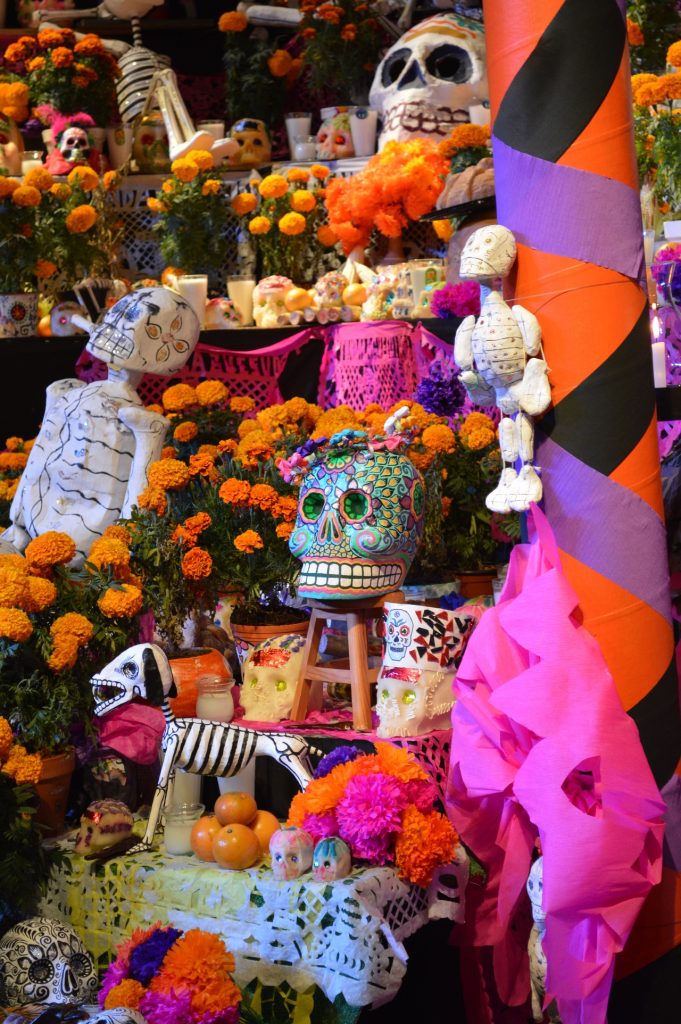
Bright orange marigolds do more than make Día de los Muertos decorations beautiful. Known in Mexico as cempasúchil, these fragrant flowers have a special place in the holiday’s traditions. Many families believe their vivid color and strong scent help guide the spirits of deceased loved ones toward their homes and altars. Some arrange the flowers around an ofrenda, while others scatter petals along a path leading from a cemetery to the family home. The flowers can also be woven into garlands, placed beside photographs or used to decorate gravesites. Their presence connects the visual beauty of the celebration with its deeper purpose of remembering those who have died. Marigolds are especially recognizable because their rich orange and yellow shades stand out against candles, colorful paper decorations and other offerings. While customs differ among families and regions, the flowers remain one of the most widely recognized symbols of Día de los Muertos, representing remembrance, welcome and the connection between the living and the departed.
Pan de Muerto Honors the Departed Through Traditional Food
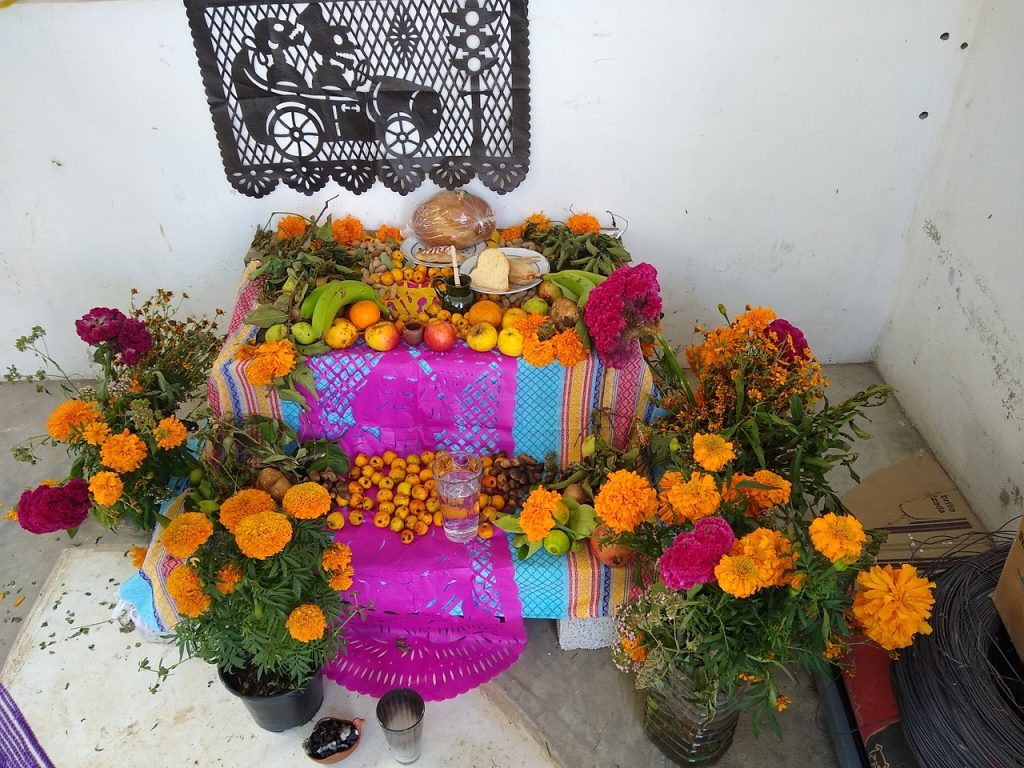
Few holiday foods are as closely associated with Día de los Muertos as pan de muerto, or bread of the dead. This traditional sweet bread is commonly prepared for the celebration and shared among family members, often alongside an ofrenda or at a loved one’s gravesite. Recipes vary, but the bread is generally soft and lightly sweet, with flavors such as anise, orange zest or orange blossom water. Many versions feature small pieces of dough shaped like bones arranged across the top, sometimes with a round piece at the center. These decorations are commonly interpreted as references to death and remembrance, although designs and meanings vary by region and baker. The bread is both a seasonal treat and a way to bring families together through cooking, sharing food and recalling the people they miss. Other foods placed on ofrendas may include a deceased person’s favorite meals, fruit, sweets and drinks. These offerings reflect the belief that returning spirits should be welcomed with familiar things that remind them of home.
Sugar Skulls Celebrate Life Rather Than Fear Death
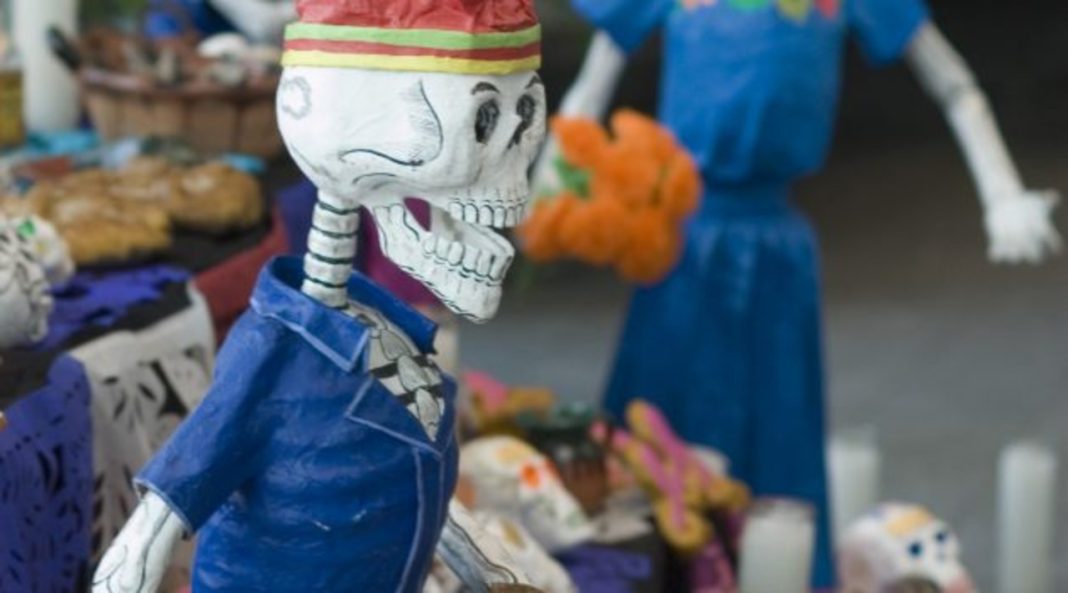
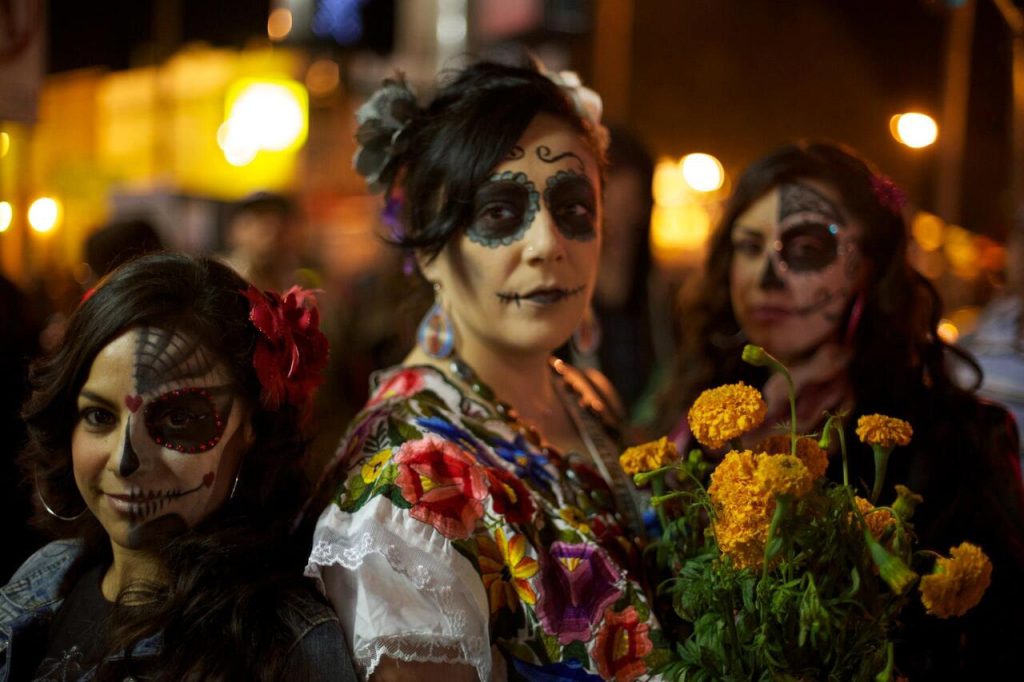
Skulls may seem like an unusual centerpiece for a celebration, but sugar skulls have a distinct meaning within Día de los Muertos. Known as calaveras de azúcar, they are traditionally made from molded sugar and decorated with colorful icing, patterns and sometimes the names of people being remembered. Their presence on ofrendas reflects the holiday’s distinctive approach to mortality, which recognizes death while celebrating the lives of those who have passed. Sugar represents the sweetness of life in a common interpretation of the tradition, while the skull shape acknowledges death as an inevitable part of the human experience. These decorations are often bright and playful rather than frightening, helping families approach remembrance with warmth and familiarity. Skull imagery also has a wider cultural history in Mexico, including the satirical skeleton figures popularized by printmaker José Guadalupe Posada in the late 19th and early 20th centuries. Although sugar skulls are now widely recognized around the world, their meaning is rooted in the holiday’s traditions of honoring the departed and reflecting on the connection between life and death.
Papel Picado Represents Wind and Adds Color to Altars
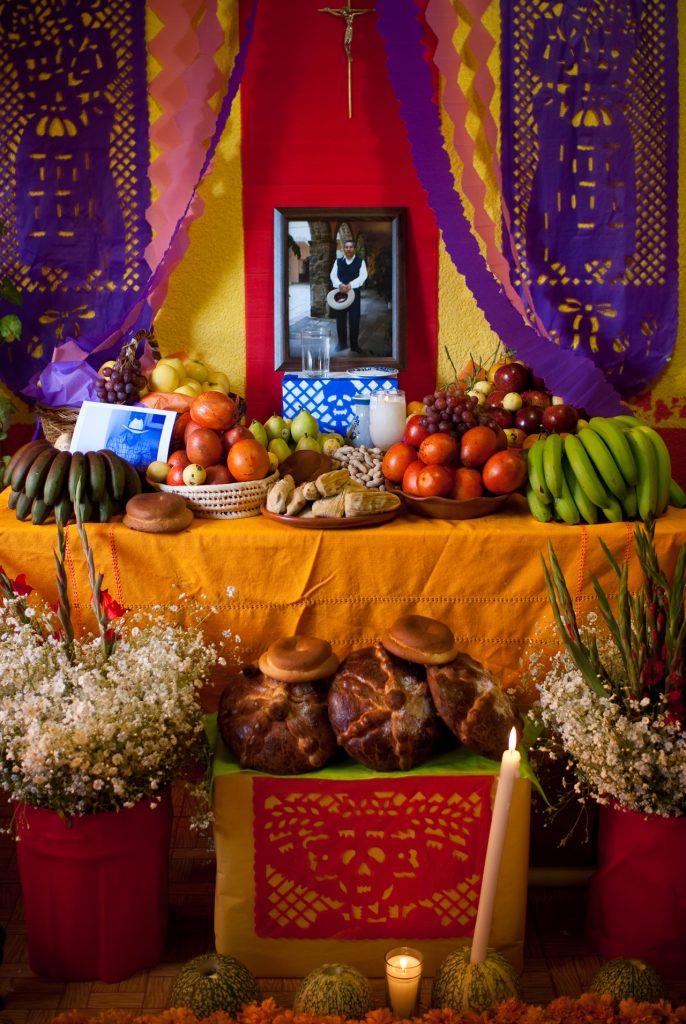
Look above a Día de los Muertos altar and you may find rows of delicate paper banners fluttering in the breeze. Called papel picado, these decorations are made by cutting intricate designs into sheets of paper, often creating patterns of flowers, skeletons and other festive images. Their colorful appearance brings movement and texture to ofrendas, community displays and celebrations. In a common symbolic interpretation, the lightweight paper represents the element of wind, one of the natural elements associated with offerings for the dead. The craft also has roots in Mexican paper-cutting traditions, including the use of amate, a bark paper made from the fibers of trees. Today, tissue paper is widely used to create the banners, which can be made by hand or produced using specialized cutting techniques. Papel picado appears during other Mexican celebrations as well, so it is not exclusive to Día de los Muertos. During the holiday, however, its vivid colors and carefully cut designs help create a welcoming setting for remembering loved ones and celebrating the cultural traditions that bring families together.
Cemetery Visits, Candles and Family Gatherings Keep Traditions Alive
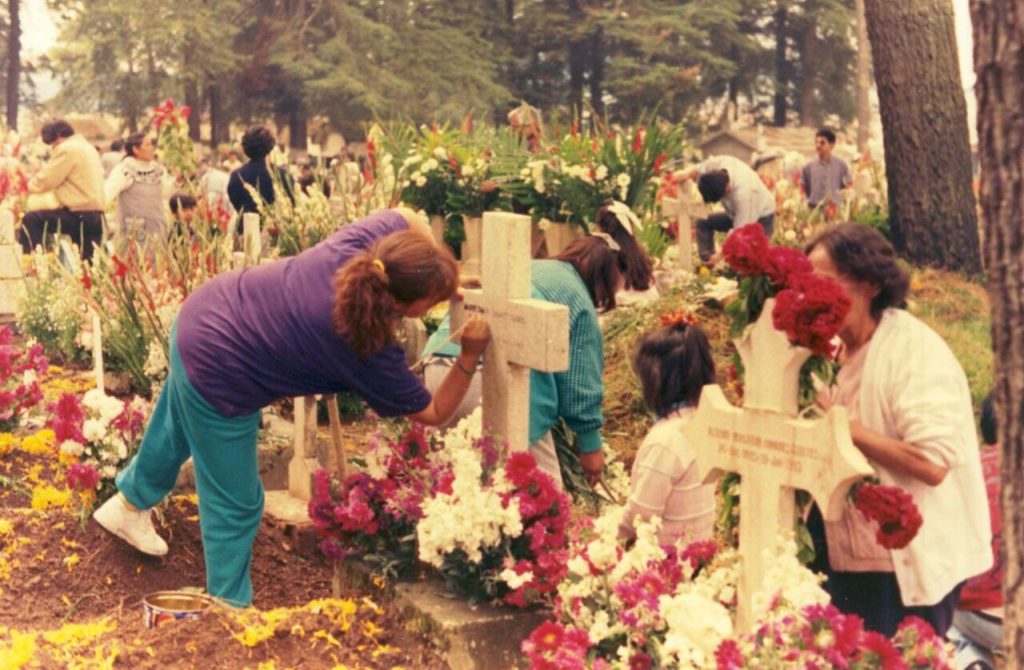
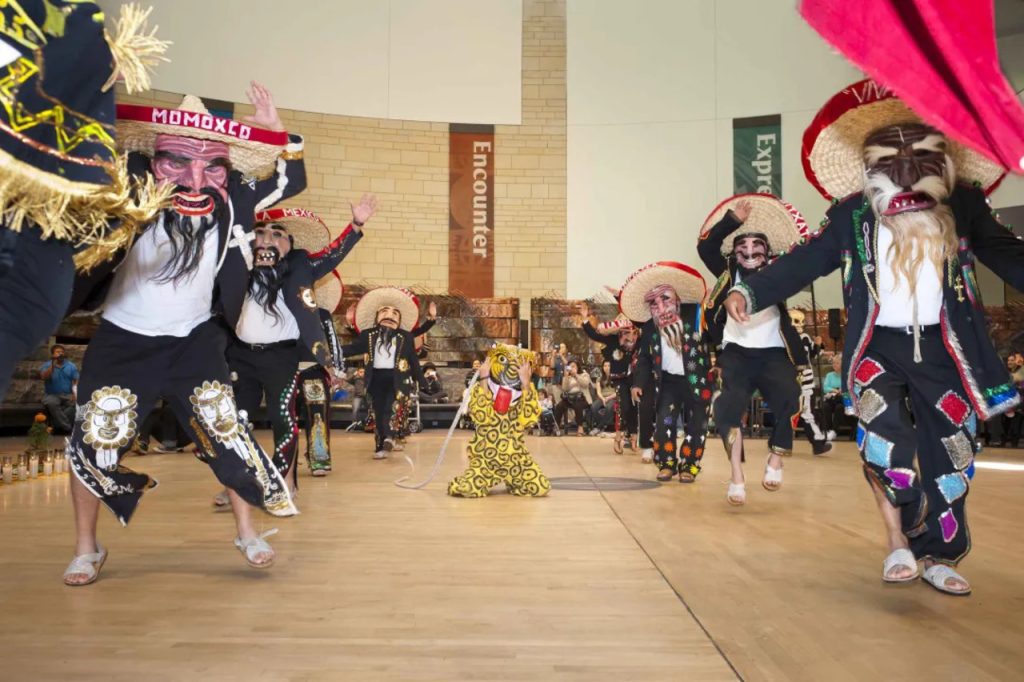
For many families, remembering loved ones means going beyond the home altar and returning to the places where relatives are buried. Cemetery visits are an important part of Día de los Muertos in many communities, with families cleaning graves, placing flowers, lighting candles and spending time together at the gravesite. Some bring food and share a meal, turning remembrance into a gathering that includes conversation, stories and familiar traditions. Candles provide light for the observance and are often understood as helping guide spirits, while photographs and personal objects keep memories of individual lives at the center of the celebration. The holiday is observed on November 1 and 2, with particular customs varying by family and region. In the United States, Mexican American communities have maintained personal and religious observances while also developing public celebrations featuring art, parades, music and community altars. These gatherings have helped introduce the holiday to wider audiences, but its central purpose remains honoring the departed. Through shared meals, visits and remembrance, families pass traditions to younger generations and keep the stories of loved ones alive.