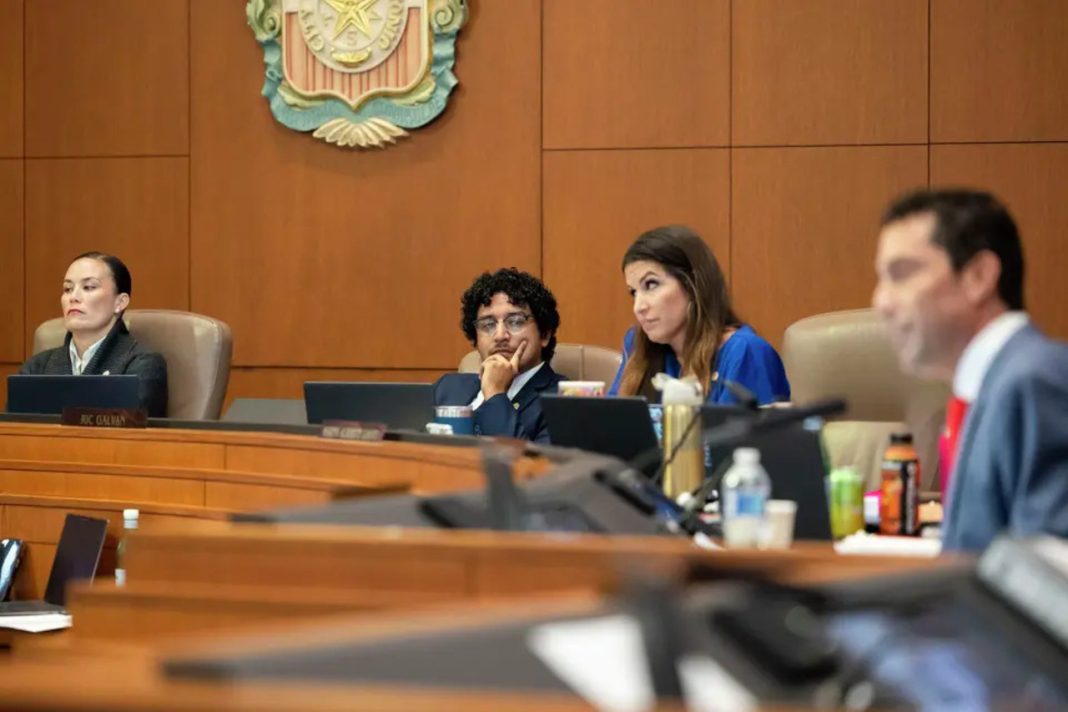

San Antonio is facing a growing debate over how to regulate data centers as residents raise concerns about noise, green space and their ability to influence development decisions. City officials are weighing several proposals that could introduce stricter zoning requirements, larger setbacks from homes, stronger noise and lighting standards, and more opportunities for public input. At the same time, some council members warn that excessive restrictions could discourage investment and limit economic opportunities. With competing proposals under consideration, the city’s decisions could shape how future data centers are built and how closely their operations must account for the communities around them.
Noise and Air Pollution Concerns Drive Calls for Tighter Data Center Rules

The steady hum of industrial equipment may be easy to overlook during the day, but for residents living near data centers in San Antonio, the noise can become part of everyday life. These facilities house large numbers of computer servers and supporting equipment, often requiring cooling systems, backup generators and other machinery that can affect nearby neighborhoods. Residents on the city’s West Side have raised concerns about persistent noise, nighttime lighting and potential air quality impacts as more data centers are developed. Beth Willstrop, a resident of Texas Research Park, told the San Antonio Express-News that she had grown accustomed to the constant hum from a nearby Microsoft facility, but the bright nighttime lighting remained a major problem. Her experience reflects why city officials are considering stricter development standards. Proposed rules include stronger noise limits, landscaping buffers and restrictions on outdoor lighting. These measures aim to reduce the impact on nearby homes while allowing the city to accommodate data center development.
Green Space Protection Becomes a Major Point of Debate

As San Antonio’s data center industry expands, preserving green space has become an important part of the discussion about how new facilities should fit into existing neighborhoods. Data centers can occupy large parcels of land, and their development may replace open areas with buildings, paved surfaces and supporting infrastructure. Mayor Gina Ortiz Jones has proposed requiring developers to provide twice as much green space as is removed during construction. Her proposal also includes a 1,000-foot setback from the property perimeter, along with additional opportunities for residents to comment on planned projects. These requirements go beyond the measures included in the two proposals prepared by the city’s Development Services Department. Green space requirements could help preserve vegetation and provide room for landscaping, although their precise environmental benefits would depend on how they are implemented. The mayor’s proposal reflects growing pressure to ensure that large industrial facilities do not overwhelm the surrounding landscape or diminish the quality of life for nearby residents.
Residents Want a Greater Say in Where Data Centers Are Built

For many residents, the central issue is not simply whether data centers should be allowed in San Antonio, but whether communities should have a meaningful opportunity to influence where they are built. Council Member Ric Galvan has argued that large facilities can currently be developed without advance notification to the City Council or public hearings, provided they comply with existing zoning rules. That has prompted calls for a process that gives residents and elected officials a clearer role before projects move forward. One proposal developed by city staff would require a specific use permit, bringing projects before the City Council and creating opportunities for public comment. The mayor’s alternative would go further, requiring 45 days’ advance notice before an application is filed, two public engagement meetings in affected neighborhoods and 10 business days for the public to review an application before the council acts. These measures would give residents more time to understand proposed developments and raise concerns about noise, lighting, water use and other local impacts.
Proposed Zoning Rules Could Require Buffers and Stricter Development Standards
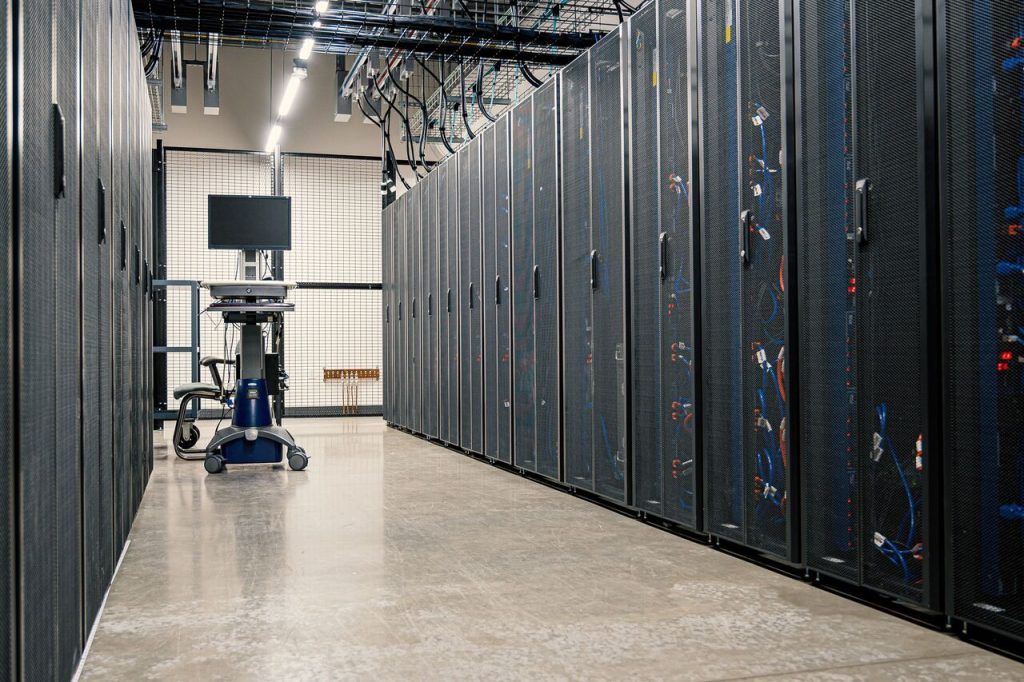
Where a data center is built can make a considerable difference to the people living and working nearby. San Antonio currently allows data centers in nonresidential zoning districts, but city officials are considering rules that would limit their locations and impose additional requirements. The first proposal developed by the Development Services Department would allow facilities in seven zoning districts, provided they meet conditions such as a 500-foot separation from homes, schools, day care centers, assisted living facilities and hospitals. Developers would also need landscaping buffers, and structures could not be built over the Edwards Aquifer Recharge Zone. A second proposal would require specific use permits and stricter standards for noise, lighting, landscaping and emergency preparedness. The mayor’s plan would introduce even tougher conditions, including a 1,000-foot setback from the property perimeter. These options reflect different approaches to balancing predictable development rules with site-specific safeguards. The proposals were scheduled for consideration by the Zoning Commission on October 20, 2026, ahead of an expected City Council vote on October 29.
City Leaders Face a Choice Between Stronger Oversight and Economic Growth

San Antonio’s data center debate highlights a difficult question for city leaders: how can the city protect neighborhoods without losing potential economic benefits? Data centers support digital services and artificial intelligence infrastructure, and their construction can bring investment, jobs and additional revenue. The city’s municipally owned utility, CPS Energy, also sends a portion of its annual gross revenue to the city, meaning increased electricity sales associated with new facilities can have financial implications for local government. However, Council Members Misty Spears and Marc Whyte have expressed concerns that excessive restrictions could discourage investment. They want strong protections for residents while maintaining clear rules that give companies confidence about developing projects in San Antonio. Other officials and community advocates argue that growth should not come at the expense of neighborhood well-being, natural resources or public involvement. The city has therefore been weighing several regulatory options rather than simply choosing between unrestricted development and a complete ban. The final decision will help determine how San Antonio manages future data center growth while addressing concerns about noise, lighting, water and electricity demand, and land use.