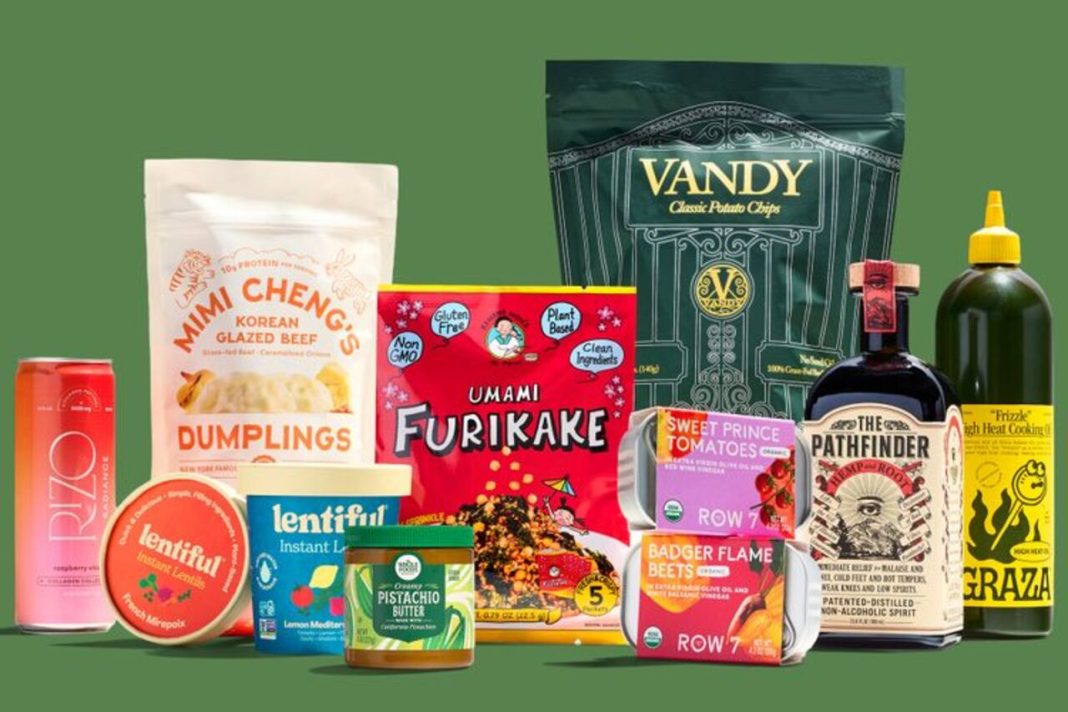

Grocery store shelves could look a little different in 2027, with restaurant-inspired soups, Japanese comfort foods, beauty-focused snacks and simpler ingredient lists gaining attention. Whole Foods Market has unveiled its annual food trend predictions, offering a glimpse of the products and shopping habits that could shape the coming year. Among the standout ideas is Beef Shawarma Soup, which brings the familiar flavors of a popular Middle Eastern dish into a convenient soup format. The retailer also expects growing interest in regional ingredients, plant-based proteins, bitter flavors and products designed to reduce food waste. While these predictions do not guarantee every trend will become mainstream, they offer an intriguing look at what shoppers may find in grocery aisles next year.
Beef Shawarma Soup Gives a Familiar Dish an Unexpected Twist

Soup lovers looking for something different may soon find an exciting new option at Whole Foods Market. The retailer plans to introduce Beef Shawarma Soup as part of its 2027 food offerings, bringing the familiar flavors of shawarma into a comforting, ready-to-eat format. Shawarma traditionally features seasoned meat cooked on a rotating spit and served with accompaniments such as vegetables, sauces and flatbread. Turning those flavors into soup reflects a growing interest in reimagining familiar dishes rather than simply introducing entirely new ones. Whole Foods calls this trend dish reinvention, which also includes creations such as Buffalo-Style Chicken Lasagna and Zuppa Toscana Take-and-Bake Pizza. The retailer’s Beef Shawarma Soup is expected to launch in early 2027, according to its official trend announcement. These products illustrate how grocery stores are finding new ways to bring restaurant-inspired flavors into convenient meals that shoppers can enjoy at home.
Japanese Comfort Foods Could Gain More Grocery Shelf Space
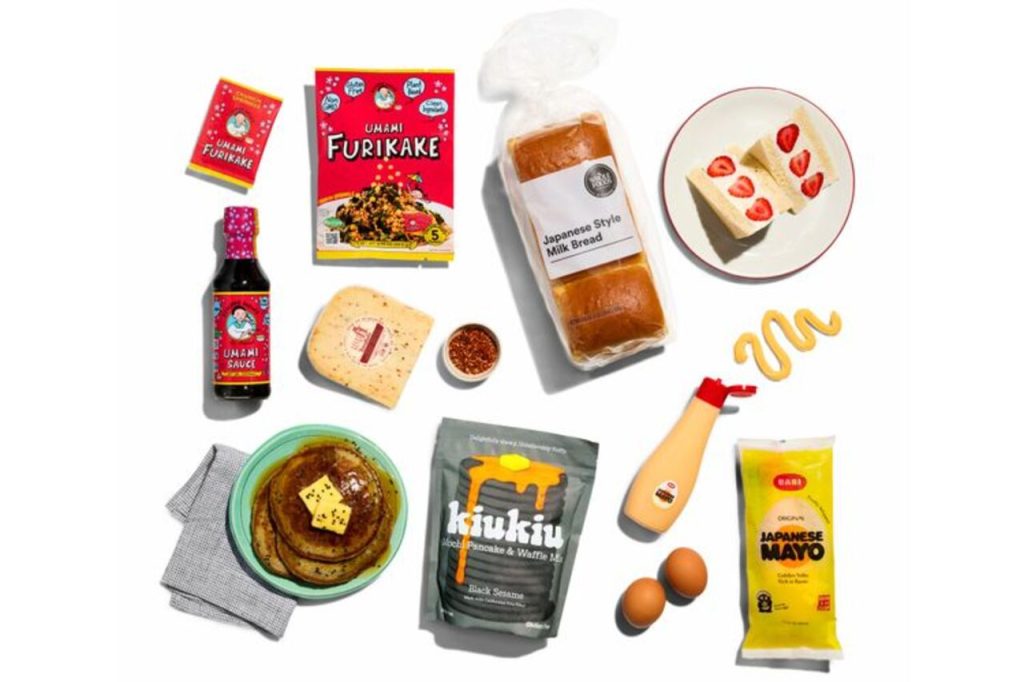
Japanese comfort food is moving beyond restaurant menus and social media feeds, and Whole Foods expects that interest to translate into more grocery products in 2027. One area attracting attention is yōshoku, a Japanese culinary tradition that adapts Western-influenced dishes to Japanese tastes. Popular examples include tonkatsu, a breaded and fried cutlet; omurice, an omelet served with seasoned rice; and Japanese curry rice. These dishes combine familiar ingredients with distinctive Japanese flavors, making them approachable for shoppers who want to explore different cuisines. Whole Foods points to the success of its Japanese-style milk bread, introduced in 2025, as an example of how consumer interest can influence grocery offerings. Other products highlighted in the trend report include Japanese-inspired sauces, black sesame mochi pancake and waffle mix, and specialty cheese. The prediction suggests that shoppers may encounter more Japanese flavors in bakery products, pantry staples, prepared meals and dairy items as retailers respond to changing tastes.
Beauty-Focused Foods Could Bring Skincare Into the Snack Aisle
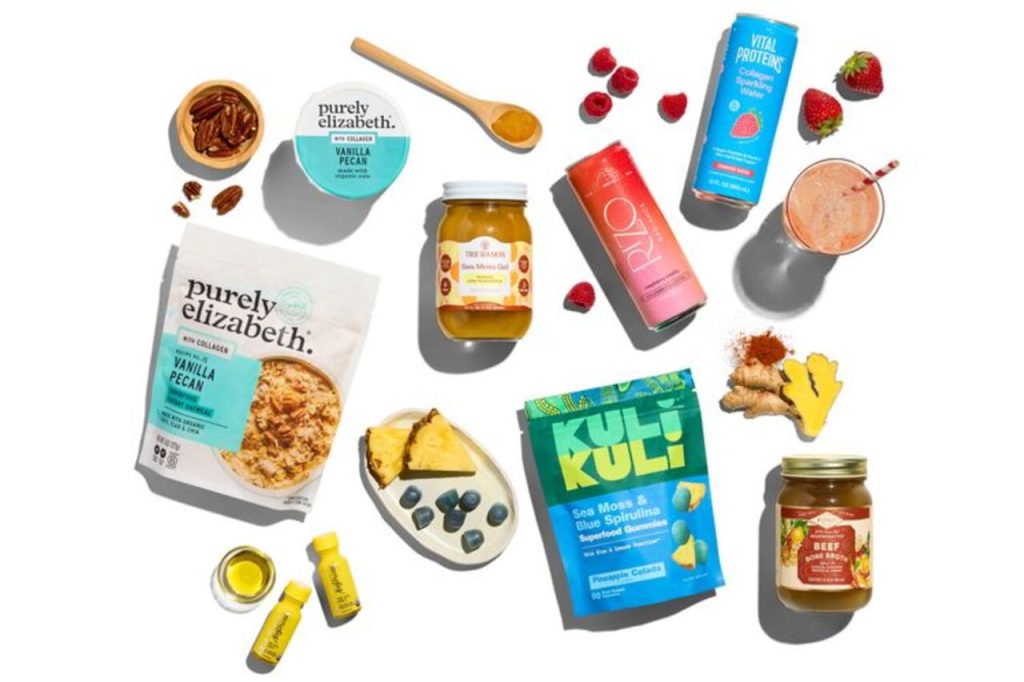
The line between food and beauty products may become less distinct in 2027 as brands explore foods marketed for benefits beyond basic nutrition. Whole Foods calls this trend beautrition, a blend of beauty and nutrition that focuses on products containing ingredients associated with skin health. Examples highlighted in its report include sea moss and blue spirulina gummies, collagen-infused oatmeal, and collagen beverages. The idea builds on the broader functional-food category, which includes products marketed for particular benefits beyond providing calories and essential nutrients. Collagen, for instance, is a structural protein found in skin, while vitamins and other nutrients play important roles in normal bodily functions. However, the presence of these ingredients does not automatically mean a product will improve someone’s skin, and the effects can depend on the ingredient, amount consumed and individual circumstances. Whole Foods’ prediction reflects growing interest in combining wellness goals with everyday eating, but shoppers should distinguish between a product’s marketing claims and benefits supported by reliable scientific evidence.
Shorter Ingredient Lists Could Influence Grocery Shopping
A closer look at food labels may become an even bigger part of grocery shopping in 2027. Whole Foods predicts that ingredient minimalism will gain momentum as consumers pay more attention to additives and the processing involved in making packaged foods. Manufacturers are responding to this interest by simplifying some product formulations, while new labeling initiatives and certification programs aim to help shoppers identify products that meet particular standards. Whole Foods says its own quality standards prohibit more than 300 ingredients across the products it sells. The report also highlights examples with relatively short ingredient lists, including the retailer’s pistachio butter, which contains dry-roasted pistachios, cane sugar and salt. Still, a short ingredient list is not automatically a guarantee that a food is healthier, just as a longer list does not necessarily make a product unhealthy. Nutritional value, portion size, processing methods and the overall balance of a person’s diet remain important. The expected trend points to a growing demand for understandable labels and greater transparency about what goes into packaged foods.
Regional Ingredients, Bitter Flavors, Beans and Low-Waste Products Could Shape 2027
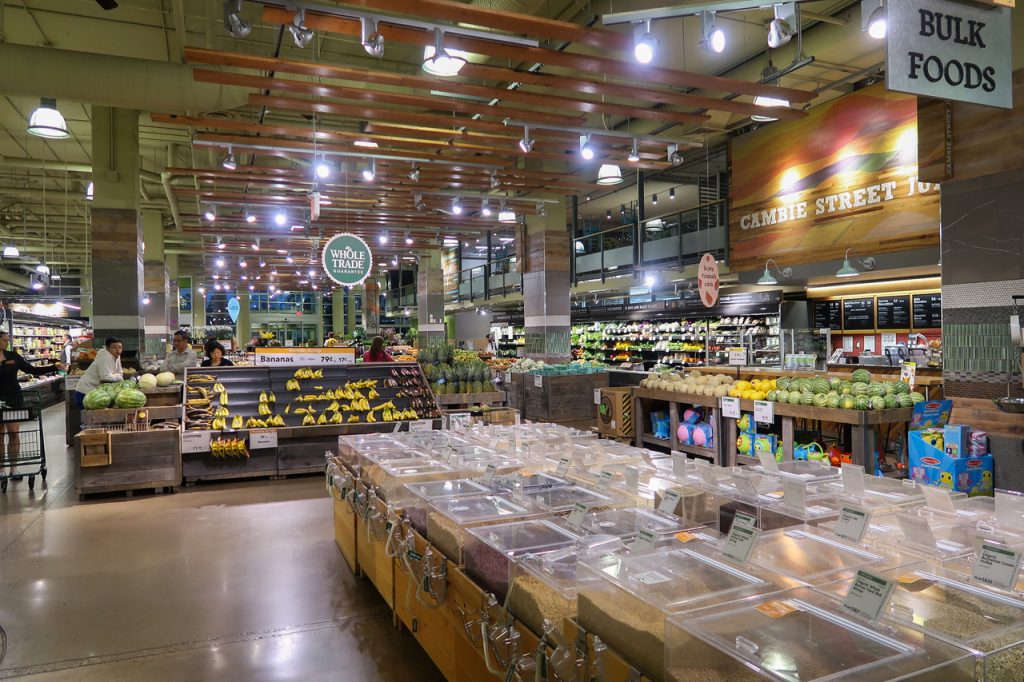
Beyond individual products, Whole Foods’ 2027 predictions point to broader changes in how food is sourced, flavored and packaged. One trend, known as terroir, emphasizes the influence of soil, climate and geography on a product’s character. Shoppers may see more attention paid to regional honey, single-origin coffee, olive oil and specialty cheeses with clearly identified origins. Bitter flavors are another area to watch, with ingredients such as bitter greens, licorice root and burnt caramel appearing in foods and drinks. Meanwhile, beans are gaining attention as affordable sources of fiber and plant-based protein, with chickpeas, lentils, edamame and lupini beans appearing in snacks, instant meals and other convenient formats. Sustainability also features prominently. Whole Foods plans to work with food-waste technology company Mill to convert fruit and vegetable scraps from its kitchens into chicken feed beginning in 2027, while predicting increased interest in refillable packaging, bulk shopping and products made with upcycled ingredients. Together, these trends suggest that grocery innovation may increasingly focus on ingredient origins, varied flavors, accessible plant-based foods and reducing waste.