

Some of the products we use every day have surprisingly unusual beginnings. The microwave oven grew out of radar research, Bubble Wrap was once intended to decorate walls, and Play-Doh started as a household cleaning product. These inventions took unexpected turns when their creators discovered uses far removed from their original goals. In several cases, an apparent failure became the starting point for something millions of people would eventually use. From office supplies to kitchen appliances and household essentials, these seven familiar inventions reveal how curiosity, experimentation, and a little luck can change the course of product history.
Microwave Ovens Began With Radar Research

Few kitchen appliances have a history as surprising as the microwave oven, which emerged from technology developed for an entirely different purpose. During World War II, engineer Percy Spencer was working with magnetrons, components that generate the microwave energy used in radar systems. In 1945, he reportedly noticed that a chocolate bar in his pocket had melted while he was working near an active magnetron. Curious about what had happened, Spencer began experimenting with other foods, including popcorn kernels and an egg. These tests helped him recognize that microwave energy could heat food quickly. His discovery led to the development of an early microwave oven, although the first commercial models were enormous, expensive, and primarily intended for restaurants and institutional kitchens. The first Radarange, introduced in 1947, stood roughly six feet tall and weighed hundreds of pounds. It took years of engineering improvements and falling prices before smaller countertop models became practical for ordinary households. Today, microwave ovens are common kitchen appliances, used for reheating leftovers, defrosting frozen ingredients, and preparing quick meals. Their evolution shows how technology created for military and scientific applications can eventually transform everyday domestic life.
Post-it Notes Came From an Adhesive That Seemed Too Weak

Sometimes, an invention becomes successful precisely because it fails to do what its creator originally intended. That was the case with Post-it Notes, which grew out of adhesive research at 3M during the late 1960s. Scientist Spencer Silver was attempting to develop a stronger adhesive when he discovered a compound made of tiny acrylic microspheres. Unlike conventional glue, it stuck lightly to surfaces and could be removed without leaving a strong bond. The adhesive was initially difficult to commercialize because its unusual properties did not fit the company’s original goals. The breakthrough came when fellow 3M employee Arthur Fry looked for a better way to keep paper bookmarks inside his church hymnal. His bookmarks kept slipping out, and he realized Silver’s removable adhesive could hold them in place without damaging the pages. The idea gradually developed into small, repositionable notes that people could use for reminders, labels, and messages. After early market testing under the name Press ’n Peel, Post-it Notes launched nationally in the United States in 1980. Their success turned a seemingly disappointing adhesive into one of the most recognizable office and school supplies in the world.
Bubble Wrap Was Originally Designed as Textured Wallpaper

Before Bubble Wrap became a familiar way to protect fragile deliveries, its creators imagined it decorating people’s walls. Engineers Alfred Fielding and Marc Chavannes developed the material in 1957 by sealing air bubbles between two sheets of plastic. Their goal was to create a distinctive textured wall covering that could give rooms a modern decorative appearance. Unfortunately, the product never became a popular interior design choice. Instead of abandoning their invention, the engineers explored other possible uses for the material. Its lightweight construction and trapped air made it useful as insulation for greenhouses, but an even more promising application eventually emerged: protective packaging. The air-filled pockets could cushion delicate objects during shipping, helping reduce the risk of damage from bumps and impacts. Bubble Wrap became a signature product of Sealed Air, the company Fielding and Chavannes founded in 1960. Over time, it became widely used to protect electronics, glassware, furniture components, and countless other products during transport. Its popularity also created an unexpected source of entertainment, as people discovered the satisfying sensation of popping the bubbles. What began as an unsuccessful wallpaper experiment ultimately became a major innovation in packaging and shipping.
Play-Doh Started as a Wallpaper Cleaner
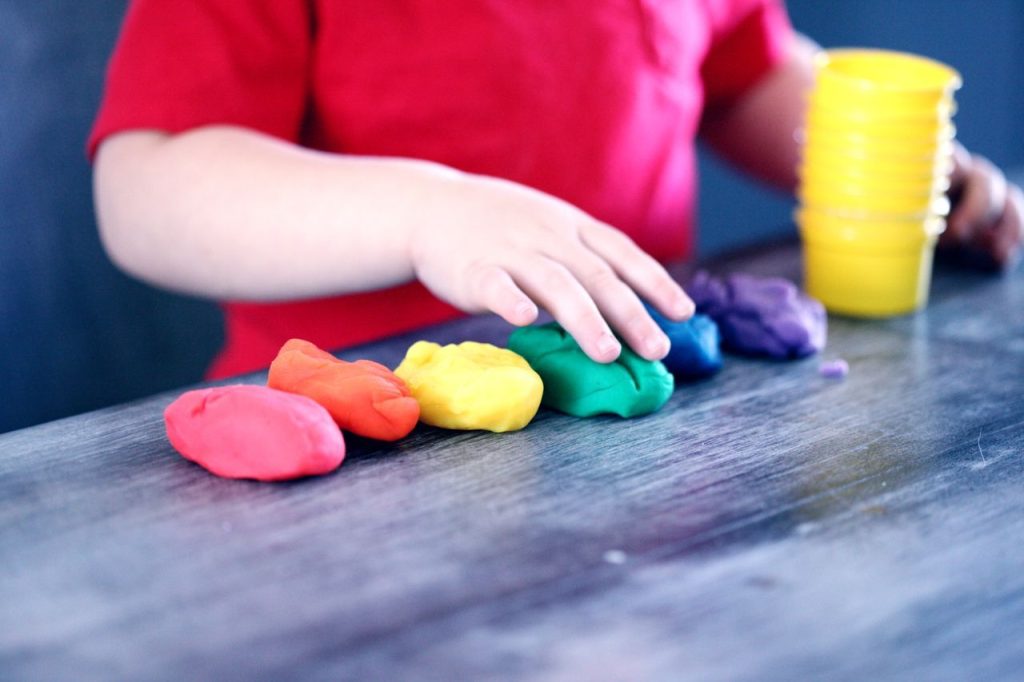
A children’s modeling compound might seem like something developed specifically for playrooms, but Play-Doh originally served a much more practical household purpose. In the 1930s, Kutol Products developed a soft cleaning compound designed to remove coal soot and dirt from wallpaper. At the time, many American homes relied on coal heating, which could leave dark residue on interior walls. The cleaning compound helped people lift that grime without soaking or damaging the wallpaper. As homes increasingly switched to cleaner heating systems and washable vinyl wallpaper became more common, demand for the original product began to decline. That might have ended its story, but an unexpected opportunity appeared when educators recognized its potential as a children’s craft material. Joseph McVicker, who was involved with the family business that produced the cleaner, helped redirect the product toward schools and young children. The company removed some of the original cleaning ingredients, introduced colors, and marketed the compound as Play-Doh in the 1950s. Its soft texture made it easy for small hands to squeeze, roll, flatten, and reshape, encouraging creative play without requiring specialized tools. Play-Doh eventually became a household name and a familiar feature of classrooms and playrooms. Its transformation demonstrates how a product can find a second life when changing circumstances reveal an entirely new audience.
Kleenex Tissues Were First Marketed for Removing Cold Cream
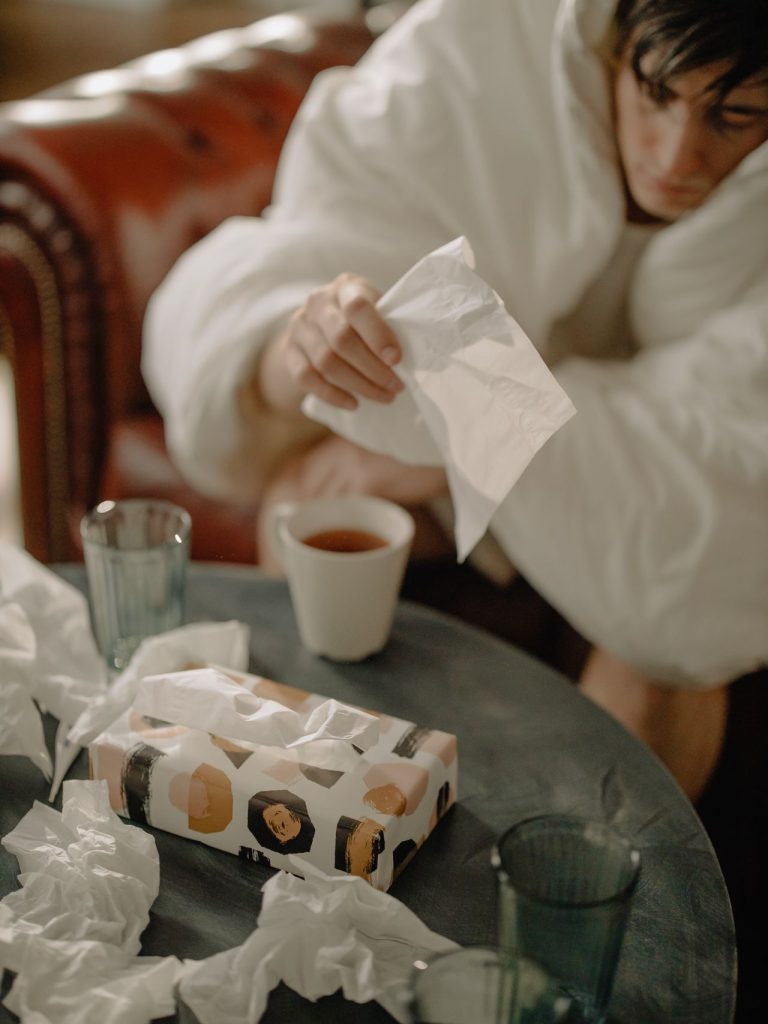
The next time you reach for a facial tissue to wipe your nose, consider that the product was originally promoted for a different part of a beauty routine. Kleenex tissues were introduced by Kimberly-Clark in 1924 as disposable cleansing tissues designed to remove cold cream and makeup. The company had already developed paper-based materials during World War I, including crepe paper used in gas-mask filters, and later adapted its expertise into consumer products. At first, Kleenex was marketed as a convenient alternative to the cloth towels commonly used to remove cosmetics. However, customers began finding other uses for the soft, disposable sheets. People increasingly used them as handkerchiefs, particularly during cold and allergy seasons. Consumer feedback revealed that this alternative purpose was becoming more popular than the original beauty-related use. By 1930, the company had changed its advertising to promote Kleenex as a disposable handkerchief. The shift helped establish facial tissues as a familiar household product and changed how people thought about managing sneezes, runny noses, and everyday messes. Today, facial tissues come in numerous varieties, including pocket packs, lotion-infused options, and multilayer designs. Their widespread use reflects a simple but important lesson in product development: sometimes customers discover the most valuable use for an invention themselves.
Super Glue Was Discovered While Developing Gun Sights
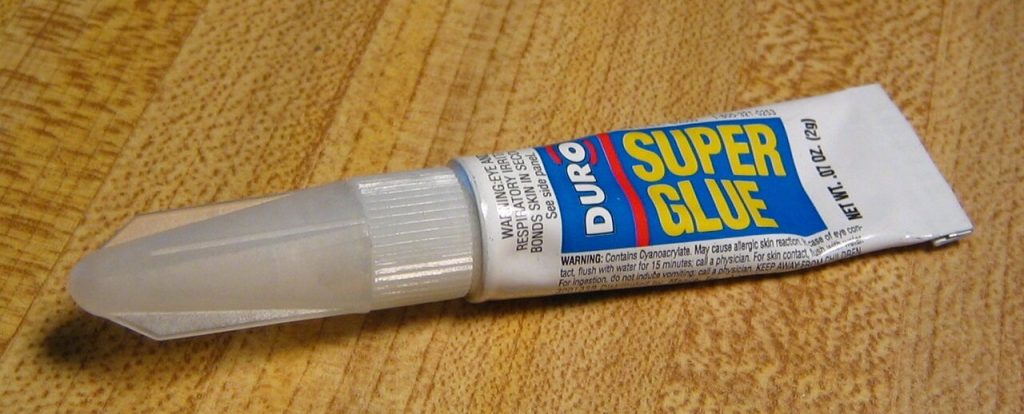
An adhesive capable of bonding objects within seconds sounds like the result of a carefully planned product design, but Super Glue emerged from an unexpected discovery during wartime research. In 1942, chemist Harry Coover and his colleagues were investigating clear plastics that could be used to manufacture precision gun sights during World War II. Their experiments involved a family of chemicals called cyanoacrylates, which proved extremely sticky and difficult to handle. Because the material adhered so readily to equipment, it was initially considered unsuitable for the intended application. Years later, while working on related research, Coover and his colleague Fred Joyner recognized the compound’s potential as a powerful adhesive. Rather than treating its stickiness as a problem, they began exploring how it could be used to bond materials together. Cyanoacrylate adhesives eventually reached the commercial market in 1958 and became known for their ability to form strong bonds quickly when exposed to small amounts of moisture. Modern versions are used for household repairs, crafts, and various industrial applications, although the appropriate formulation depends on the materials involved. The adhesive must also be handled carefully because it can bond skin and eyes rapidly. Super Glue’s history illustrates how a failed experiment can become a valuable invention when researchers reconsider the properties they initially regarded as disadvantages.
Listerine Was Originally Developed as a Surgical Antiseptic
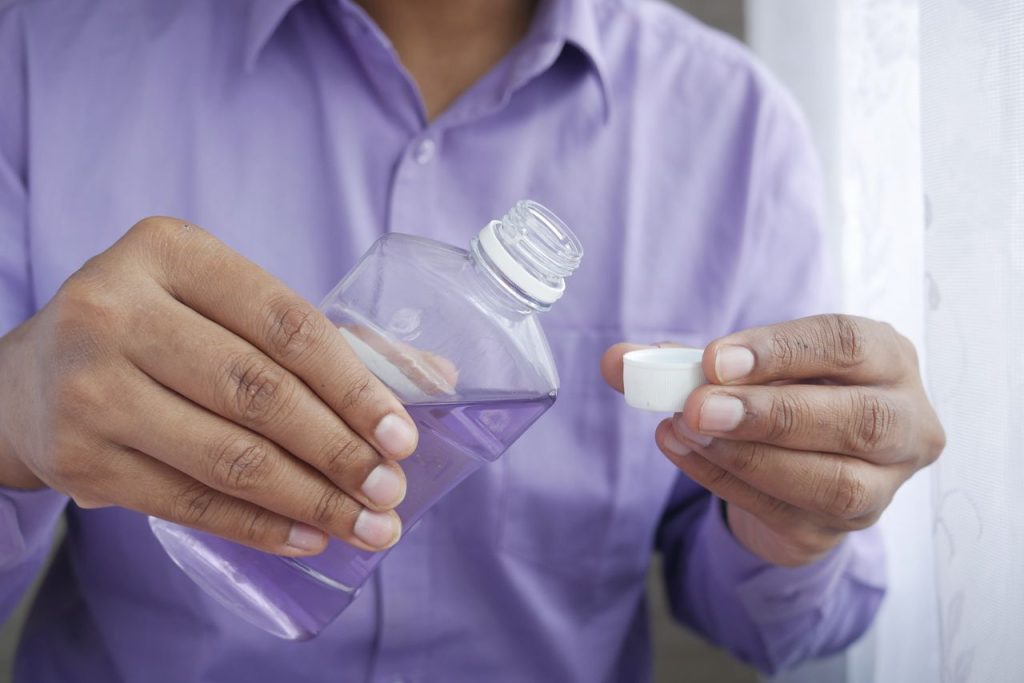
Long before Listerine became associated with fresh breath and oral hygiene, its origins were connected to the growing use of antiseptics in medicine. Developed in 1879 by Joseph Lawrence and Jordan Lambert, the original formulation was inspired by the work of British surgeon Joseph Lister, who helped establish the importance of antiseptic techniques in surgery. The product was initially developed as a surgical antiseptic at a time when medical professionals were working to reduce infections associated with wounds and surgical procedures. Its uses later expanded beyond the operating room, and it was marketed for a range of purposes before becoming established as a mouthwash. Listerine eventually gained recognition as an oral-care product intended to help control oral bacteria and improve breath. It became available to consumers over the counter in 1914, helping bring antiseptic mouthwash into everyday personal hygiene routines. Modern formulations vary, and their ingredients and intended benefits differ, so consumers should follow product directions rather than assume every version serves the same purpose. The brand’s evolution highlights how developments in medical science can influence ordinary consumer products. A formula originally associated with surgical antisepsis ultimately became a familiar part of bathroom cabinets, showing how an invention can move from a specialized professional setting into everyday life.