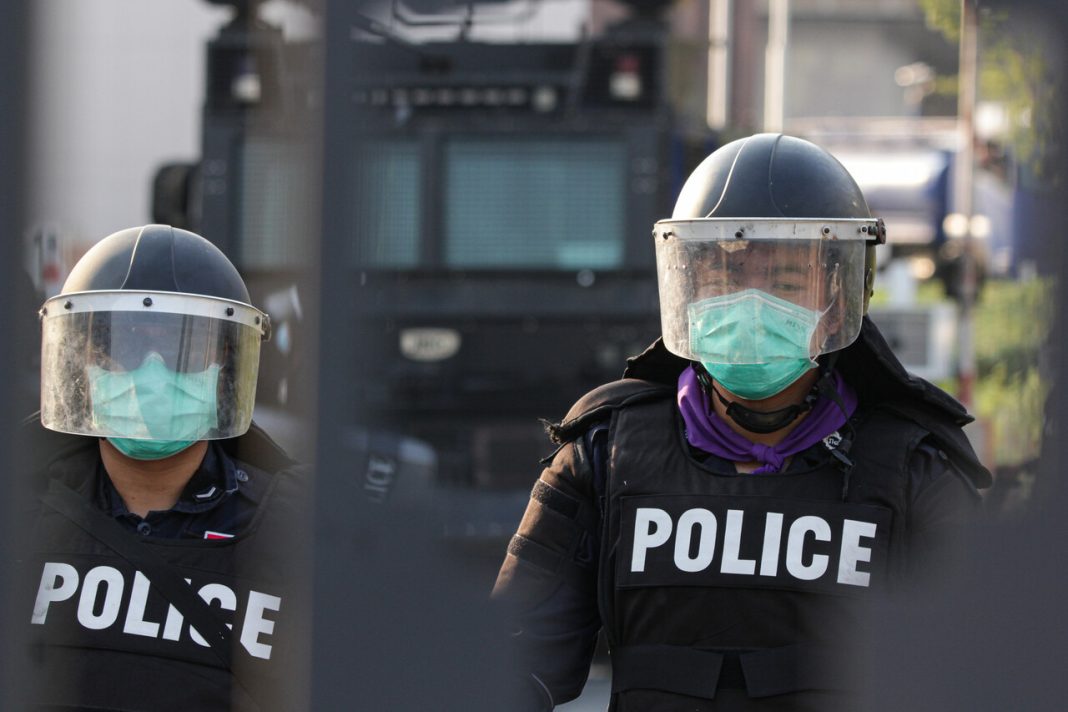

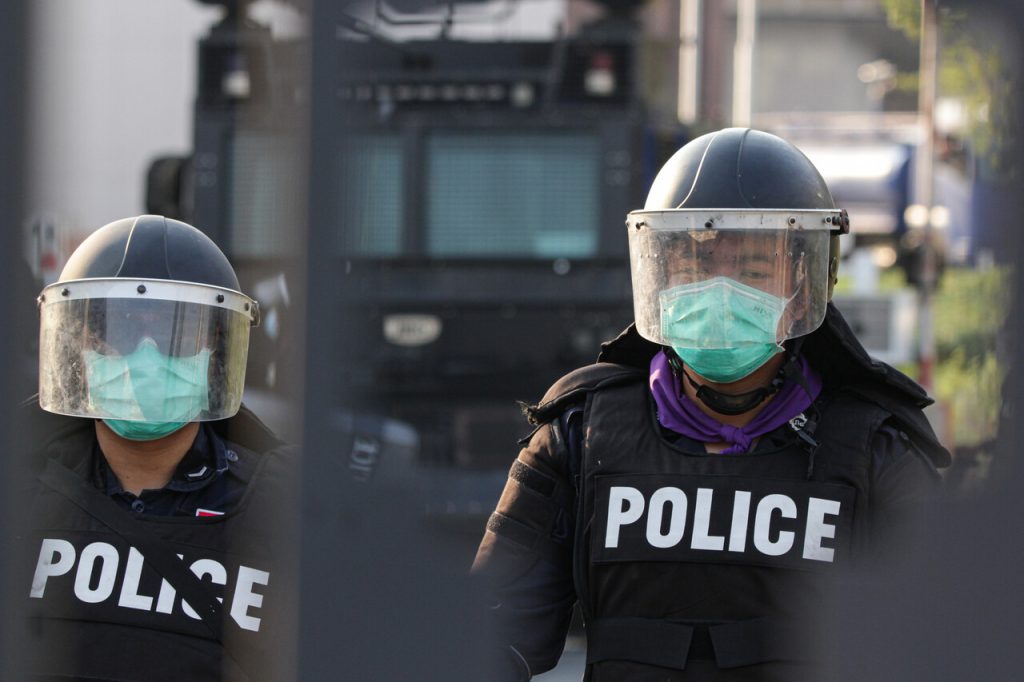
Recent ICE raids across Minnesota didn’t happen in a vacuum. What looks like a sudden surge in immigration enforcement is tied to a much older story, one that began during the pandemic with a massive fraud investigation that put the state under national scrutiny. As federal authorities unraveled how millions in public funds were misused, political pressure, public mistrust, and enforcement priorities began to intersect in complicated ways. The result is a chain reaction that now affects neighborhoods far removed from the original scandal. Understanding how these raids connect to a years-old fraud case helps explain why Minnesota has become a focal point for enforcement, legal battles, and community concern.
The Recent Surge in ICE Raids in Minnesota
The federal government has carried out a series of high-visibility immigration enforcement actions in Minnesota, drawing attention not just locally but nationally. In December 2025 and early 2026, U.S. Immigration and Customs Enforcement intensified operations under an initiative known as Operation Metro Surge, deploying thousands of agents across Minneapolis, St. Paul, and surrounding areas with the goal of apprehending undocumented immigrants and individuals with outstanding removal orders. These raids represent one of the most significant federal immigration enforcement efforts in the state in years, involving ICE along with Customs and Border Protection and other Homeland Security agencies. The National Guard and multiple federal divisions have been involved, signaling a broader government focus on Minnesota relative to other states.
These actions have had immediate and very real impacts on communities throughout the Twin Cities region. Large numbers of arrests have been reported, and at least one operation resulted in the fatal shooting of a local woman during an ICE engagement, fueling public controversy and prompting legal challenges by state and city officials who argue the raids have been heavy-handed and, at times, unlawful. Civil rights groups and elected leaders have expressed alarm over aggressive tactics, reports of warrantless arrests, and the broader disruptions to families and neighborhoods. The escalation has also produced political backlash, including lawsuits alleging the federal government is overreaching and targeting Minnesota unfairly compared with other parts of the country.
The Feeding Our Future Fraud That Put Minnesota on the Map
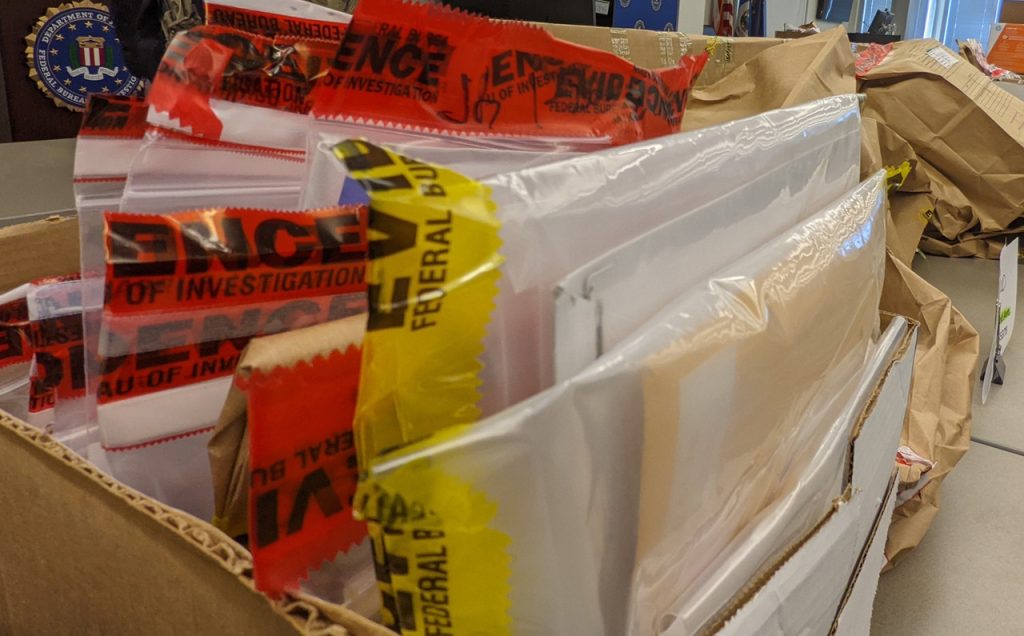
Long before the recent immigration raids, Minnesota was already in the spotlight for a sprawling pandemic-era fraud scandal that has become one of the largest ever in the United States. The nonprofit Feeding Our Future, once positioned as a provider of federally funded school meals, was found to have submitted falsified documentation to receive millions of dollars intended for feeding children during COVID-19 school closures. Prosecutors described the scheme, which was built on fake meal claims and inflated reporting, as one of the most significant fraud operations involving pandemic relief funds in the nation. The organization’s founder and many associates were indicted on charges that included wire fraud, conspiracy, bribery, and money laundering.
Investigators estimated that about $250 million in taxpayer dollars were misappropriated, even though authorities believe most of the funds went to personal enrichment rather than feeding any children. Dozens of defendants have been charged, with many pleading guilty, and courts have ordered forfeiture of assets purchased with the illicit money. Investigations into this scandal revealed serious gaps in oversight by state agencies, prompting audits that criticized lax controls and slow responses to red flags years before the federal probe gained momentum. The fallout from the case widened beyond financial loss to shape political discourse in the state and draw in national leaders.
Linking Fraud to Immigration Enforcement
Federal officials, particularly within the Trump administration, have publicly linked enforcement actions to concerns about fraud. Leaders including President Donald Trump have pointed to Minnesota’s fraud scandals, especially those involving Feeding Our Future, as justification for ramped-up immigration operations. This narrative suggests that immigration and fraud are intertwined, with some critics arguing that exploitation of federally funded programs by individuals connected to immigrant communities contributed to the need for broader enforcement. Media coverage has amplified these links, and federal agencies have cited fraud concerns as part of the rationale for operations like Operation Metro Surge.
However, legal challenges and officials from Minnesota contend that the federal raids are not proportionate responses to fraud investigations, noting that immigration enforcement agencies do not typically specialize in prosecuting financial fraud. Court filings have argued that agents lack the proper authority for fraud investigations and that the scale of the operation far exceeds what other states have experienced for similar issues. Critics also note that the majority of fraud prosecutions related to Feeding Our Future were handled through traditional criminal channels by the FBI and U.S. Attorney’s offices long before the immigration surge. This tension between law enforcement priorities has highlighted fundamental disagreements about the connection between fraud and immigration crackdowns.
Community Impact and Rising Tensions
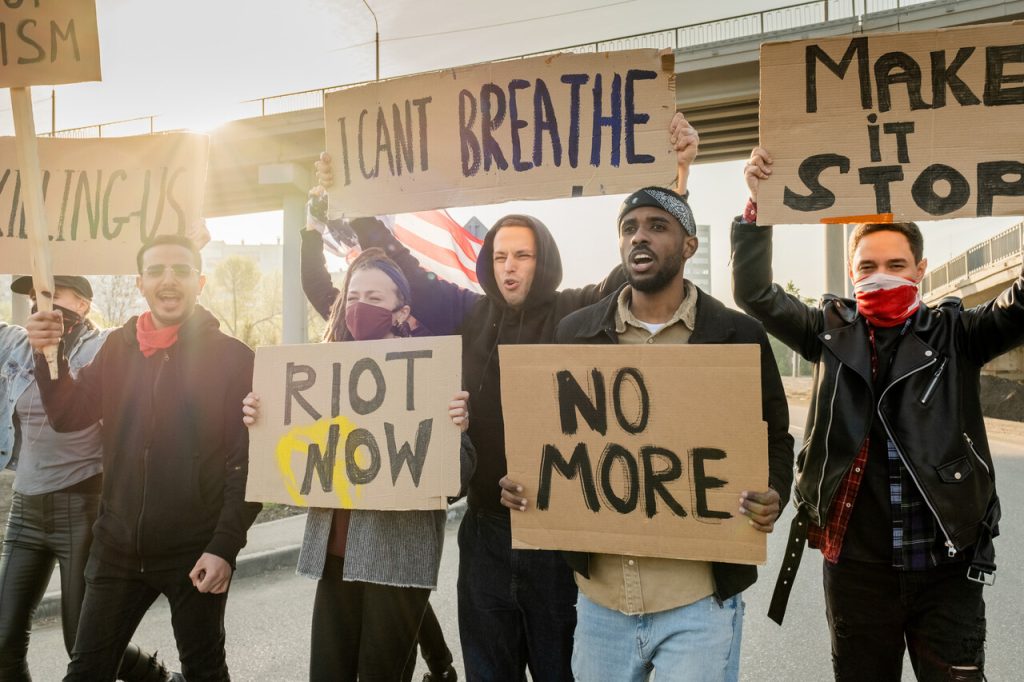
The interplay of immigration raids and fraud allegations has strained community relations in Minnesota, especially among Somali American and other immigrant populations. Advocates warn that linking immigration enforcement to fraud cases can fuel racial profiling and fear within communities that already face barriers to trust in law enforcement. Large-scale raids inherently disrupt families and livelihoods, creating fear of deportation even among individuals not connected to any wrongdoing. In response, local leaders and civil rights groups have mobilized to support affected residents and challenge enforcement tactics in court.
Political tensions have surged alongside these enforcement actions. State officials, including Minnesota’s governor and attorney general, have condemned what they describe as politically motivated actions that unfairly target a single state and its immigrant communities. Lawsuits filed against the Department of Homeland Security and ICE argue that operations violate constitutional protections and civil rights. At the same time, federal authorities maintain their legal authority for such operations, leading to a public and legal conflict over how best to balance enforcement of immigration law with community protection and due process.
What This Means for the Future of Enforcement in Minnesota
Looking ahead, the connection between ICE raids and the fraud scandal places Minnesota at the center of broader debates about federal enforcement priorities and accountability. The legal battles over immigration operations will likely continue to unfold in federal courts, shaping how future raids are conducted and under what authority. The state’s lawsuit challenging the constitutionality of current tactics could set important precedents affecting federal authority in domestic operations.
At the same time, the unresolved political fallout from the Feeding Our Future case continues to color perceptions of oversight, governance, and public trust in the state. Federal suspensions of benefit payments and scrutiny from other federal agencies further complicate the picture and may influence how Minnesota administers federally funded programs going forward. As law enforcement, policymakers, and community leaders navigate these overlapping issues of fraud, immigration, and civil liberties, Minnesota’s experience is likely to inform national conversations about enforcement, oversight, and community relations for years to come.
References
- How ICE raids in Minnesota connect to a years-old fraud scandal – nbcnews.com
- FBI investigating Minnesota fraud scheme, director says – reuters.com