
Beneath some of America’s busiest streets and historic neighborhoods lies a hidden world of tunnels, forgotten buildings, and remarkable engineering projects. These underground landmarks tell stories that are often missing from the usual tourist experience, from Seattle’s buried streets and Cincinnati’s historic beer cellars to a former Houston reservoir transformed into an artistic space. Some reveal how communities adapted to practical challenges, while others preserve important chapters of American history, including the struggle against slavery and the growth of industrial cities. Whether created for brewing, transportation, public health, or water storage, these six underground destinations offer a fascinating look at the history hiding beneath America’s cities.
Cincinnati’s Lagering Tunnels Preserve a Forgotten Brewing Tradition
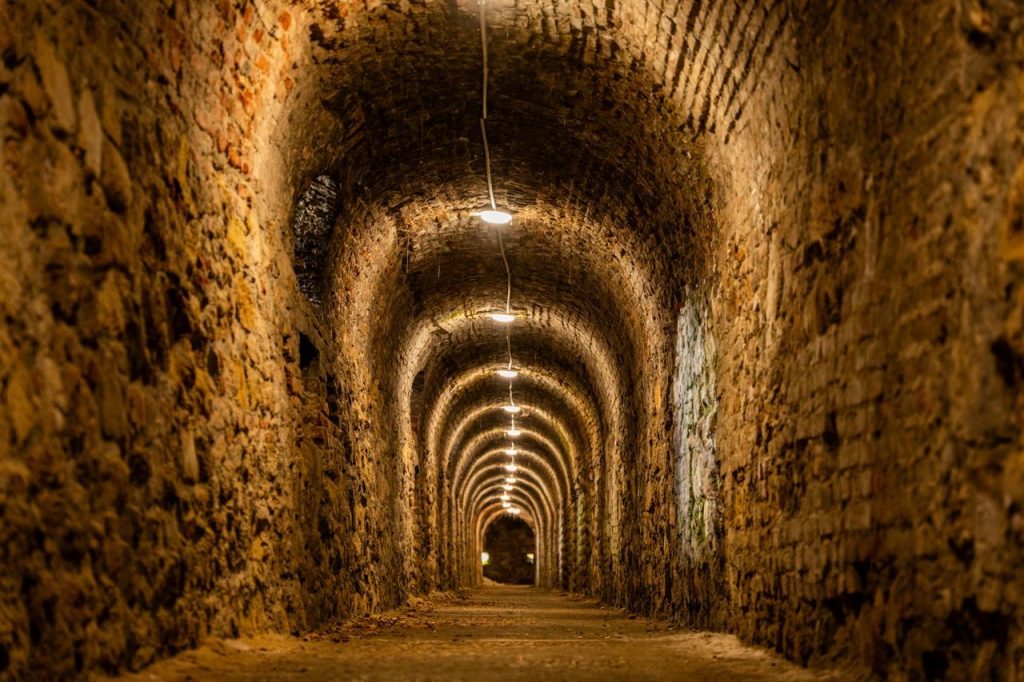
Beneath Cincinnati’s streets lies a reminder of the city’s once-thriving beer industry. During the 19th century, Cincinnati became one of America’s major brewing centers, with breweries constructing underground tunnels and cellars to keep beer cool before mechanical refrigeration became widely available. Built primarily between the 1840s and 1880s, these spaces helped brewers produce lagers, which require cool temperatures to ferment properly. Natural underground conditions, combined with ice harvested during winter, offered a practical way to maintain the temperatures needed for brewing. Even after refrigeration technology improved, some breweries continued using the tunnels because they remained economical. Prohibition and the closure of breweries eventually left many of these structures abandoned, sealed off, or filled with debris. Today, more than a dozen historic lagering tunnels have been discovered in Cincinnati, although additional ones may remain hidden beneath the city. Some can be explored through guided tours, offering visitors a closer look at the engineering and working conditions that supported an important part of Cincinnati’s industrial past.
Milton House Hides a Passage Connected to the Underground Railroad
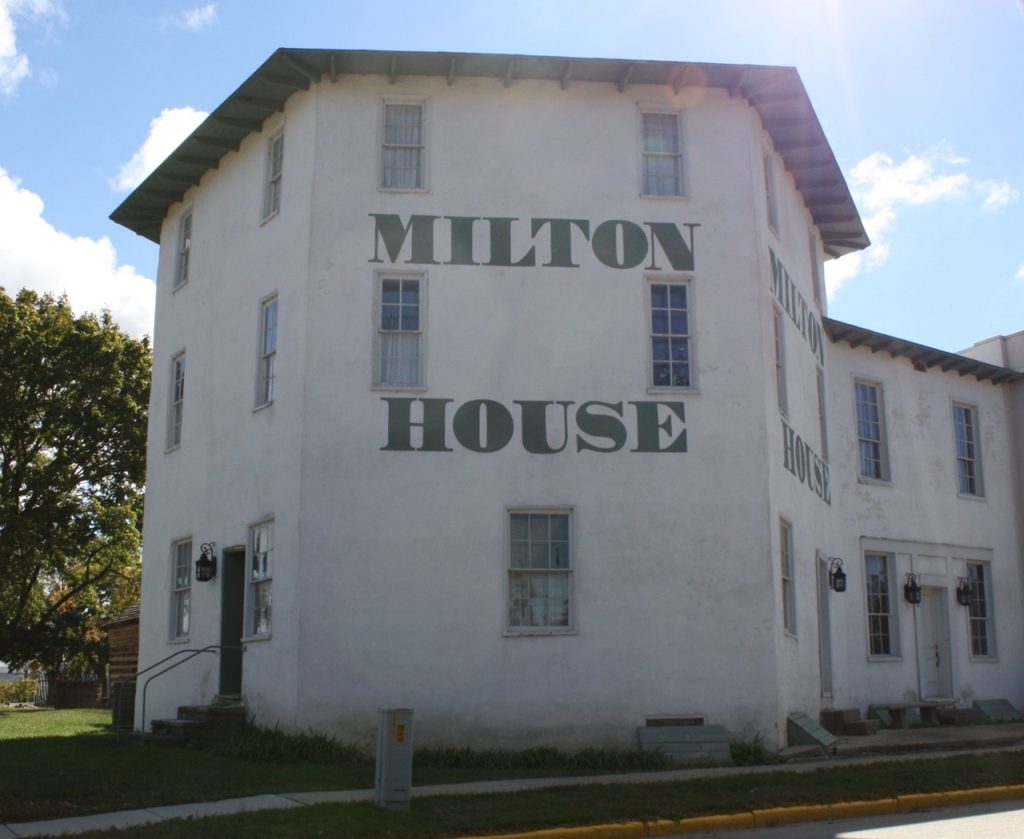
A modest historic inn in Milton, Wisconsin, preserves a powerful story about people seeking freedom before the Civil War. Built by town founder Joseph Goodrich in 1844, the hexagonal Milton House served as a stagecoach inn and is associated with the Underground Railroad, the network of people and places that helped enslaved African Americans escape bondage. An underground passage approximately 45 feet long connects a pioneer cabin to the inn’s cellar. According to the museum’s historical interpretation and oral histories, freedom seekers could use the passage to move between the buildings and find temporary shelter before continuing their journeys. The passage is notably low, measuring roughly three and a half to four feet in height, reflecting the confined conditions of this concealed route. The Milton House has operated as a historic house museum since 1954, and guided tours allow visitors to learn about the building, its architecture, and its connection to the Underground Railroad. The site offers an opportunity to explore a difficult chapter of American history through a surviving structure associated with resistance to slavery.
Traverse City’s Former Hospital Tunnels Reveal an Early Engineering Innovation
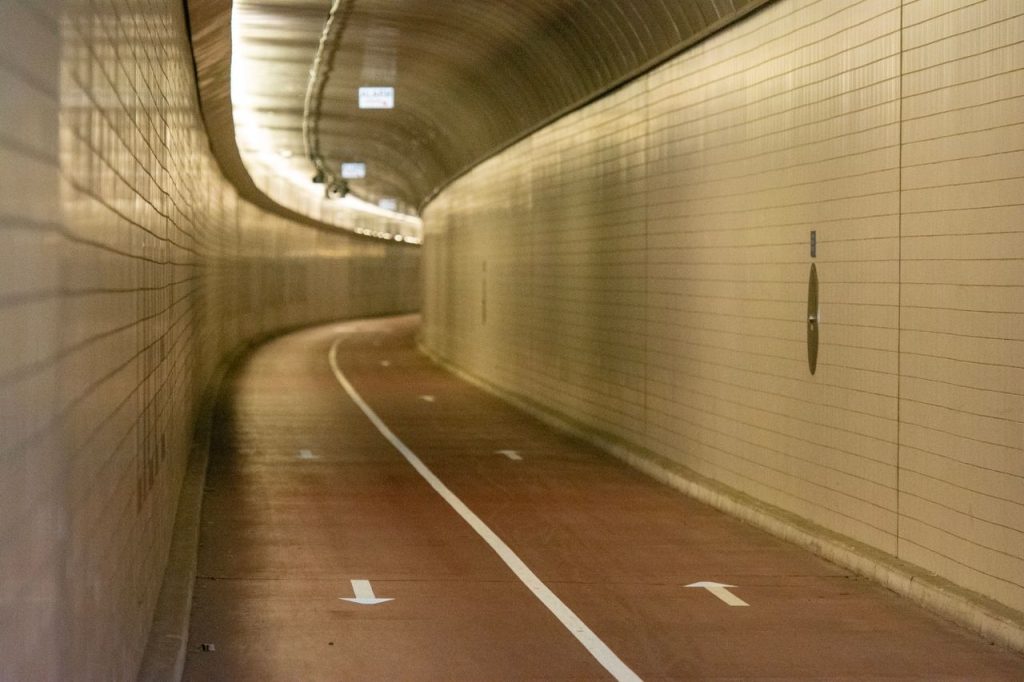
What looks like a hidden maze beneath a former Michigan hospital was originally designed to solve practical problems involving air circulation, heating, and utilities. The Northern Michigan Asylum, now part of The Village at Grand Traverse Commons in Traverse City, opened in 1885 and incorporated an advanced ventilation system for its time. Large fans pushed air through underground tunnels and up through flues distributed throughout the buildings, helping circulate fresh air across the hospital complex. The tunnels also carried electricity, heat, and hot water between buildings, while staff sometimes used them to travel around the grounds. This system reflected the institution’s distinctive architectural approach, which emphasized the physical environment as part of patient care. Today, most of the original tunnels are blocked, have collapsed, or contain hazardous materials, so they are not suitable for independent exploration. However, a cleaned and restored steam tunnel measuring about 400 feet has been opened for guided tours. Visitors can learn how the underground infrastructure supported the hospital and discover an often-overlooked part of the complex’s history.
Seattle’s Underground Preserves a City Buried After a Devastating Fire
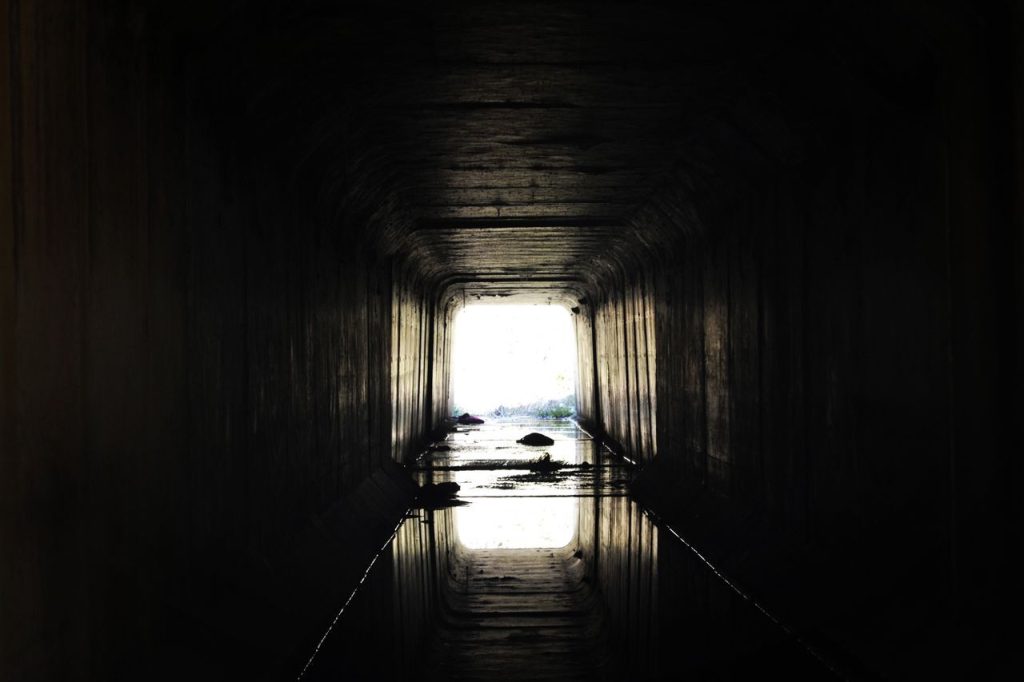
Seattle’s modern downtown hides traces of an earlier city beneath its streets. The Great Seattle Fire of 1889 destroyed 25 blocks of the commercial district, prompting residents and business owners to rebuild rather than abandon the area. As part of the reconstruction, streets were raised by more than 20 feet in some places to address drainage problems caused by the city’s hilly terrain. Many original ground-floor storefronts were consequently left below the new street level, creating a network of cellars, basements, and passageways. For a short period, these underground spaces continued to support businesses and shopping, but concerns about sanitation and a bubonic plague outbreak in 1907 contributed to their closure. The underground district remained largely forgotten until local historian William Speidel and other residents helped bring it back to public attention in the 1960s. Guided tours subsequently became a way to preserve the area’s history and protect it from redevelopment. Today, visitors can explore sections of the old streets and storefronts beneath Seattle’s Pioneer Square neighborhood, gaining a vivid sense of how the city rebuilt itself after disaster.
Portland’s Shanghai Tunnels Mix Maritime History With Persistent Myths
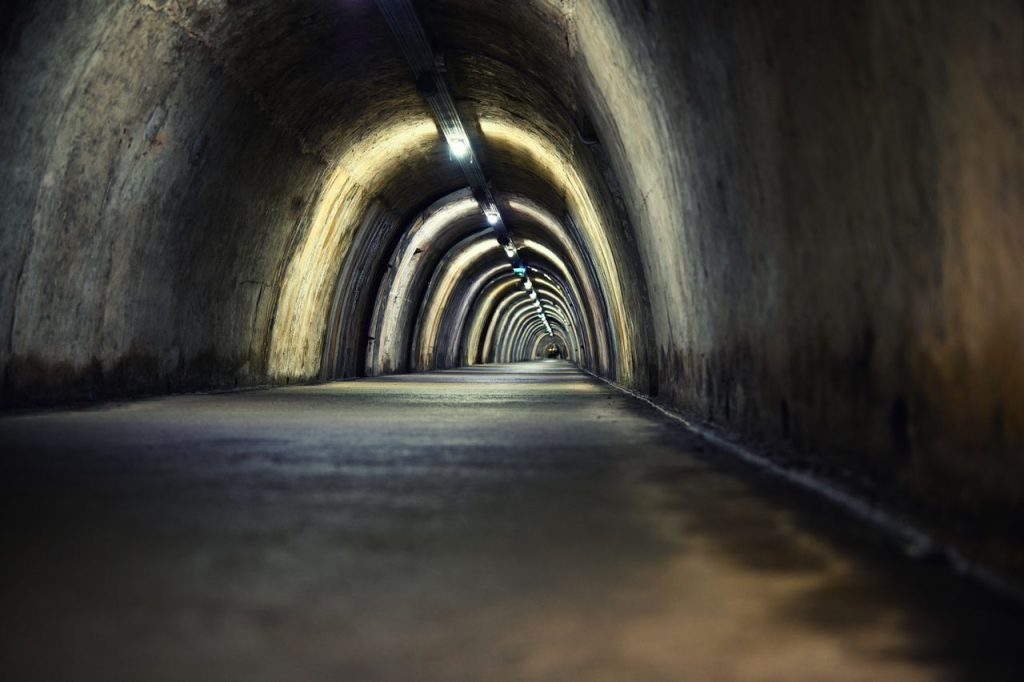
Portland’s underground passageways have developed a reputation for mystery, partly because their actual history is intertwined with dramatic stories about the city’s waterfront. The tunnels beneath Old Town Chinatown and nearby downtown buildings connected basements of businesses, including taverns and saloons, with routes toward the Willamette River waterfront. Such connections made it easier to move goods between ships and businesses without carrying everything through crowded streets. The network is often called the Shanghai Tunnels because of stories that unsuspecting men were drugged or kidnapped and forced aboard ships to work at sea. However, the extent of these alleged practices and the tunnels’ role in them remain disputed, and reliable evidence supporting many of the most sensational claims is limited. Historical accounts also describe the tunnels as useful for transporting goods and navigating the muddy streets of the waterfront district. Much of the original network has been sealed, altered, or lost, and some sections are unsafe. Visitors should therefore explore only through an established guided tour, which can provide context about Portland’s maritime past while distinguishing documented history from local legend.
Houston’s Buffalo Bayou Park Cistern Transforms an Old Reservoir Into an Arts Space
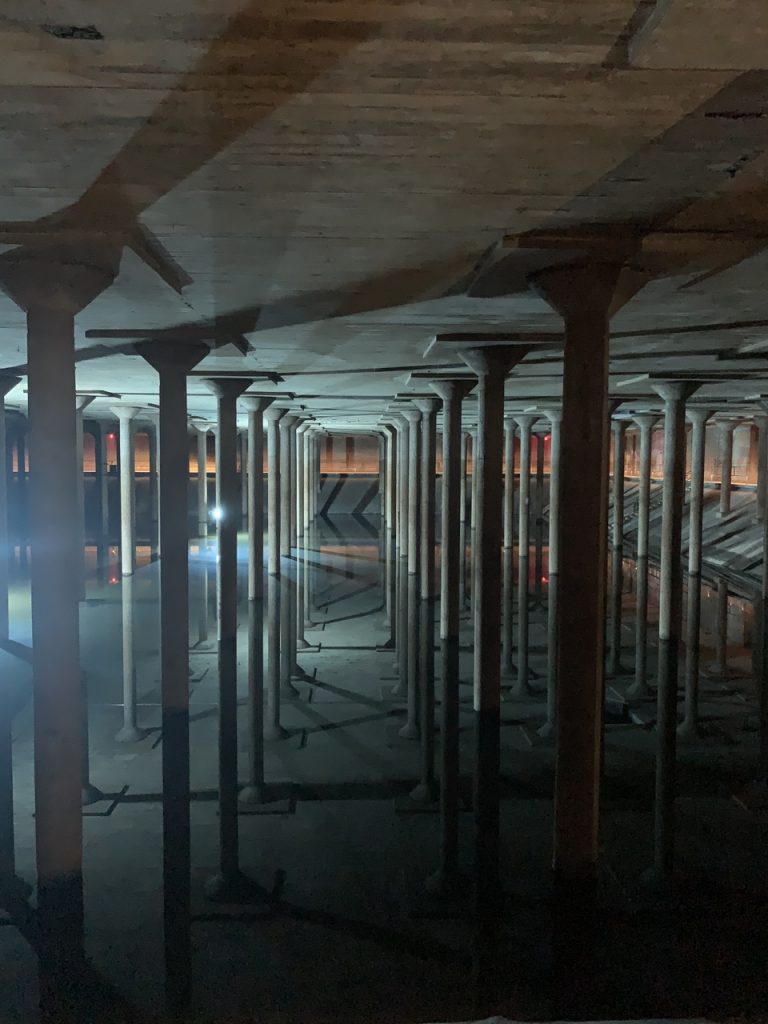
An enormous underground reservoir in Houston has found a second life as a public attraction, demonstrating how forgotten infrastructure can become a cultural landmark. Built in 1926, the Buffalo Bayou Park Cistern originally stored drinking water for the city’s municipal water system. The structure covers approximately 87,500 square feet and contains 221 concrete columns, each about 25 feet tall. When operating at full capacity, it could hold around 15 million gallons of water. The reservoir remained in service for decades before an irreparable leak led to its decommissioning in 2007. During the development of Buffalo Bayou Park in 2010, the Buffalo Bayou Partnership rediscovered the largely forgotten space and recognized its architectural and historical value. After restoration work, the cistern opened to the public in May 2016. Today, it hosts guided historical tours, artistic installations, and performances that make use of its striking scale and unusual acoustics. The space’s long echo and rows of concrete columns create an atmosphere unlike a conventional gallery, allowing visitors to experience a piece of Houston’s water infrastructure in an entirely new way.